What to Pack for a 10-Day Colombia Trip
Short answer
For 10 days in Colombia, pack for three climates: light, breathable clothes for Cartagena and the Caribbean coast, a warm layer and rain jacket for Bogotá, and versatile spring-weather outfits for Medellín. Add comfortable walking shoes, high-SPF sunscreen, insect repellent, a power bank, copies of your documents and a small anti-theft daypack.
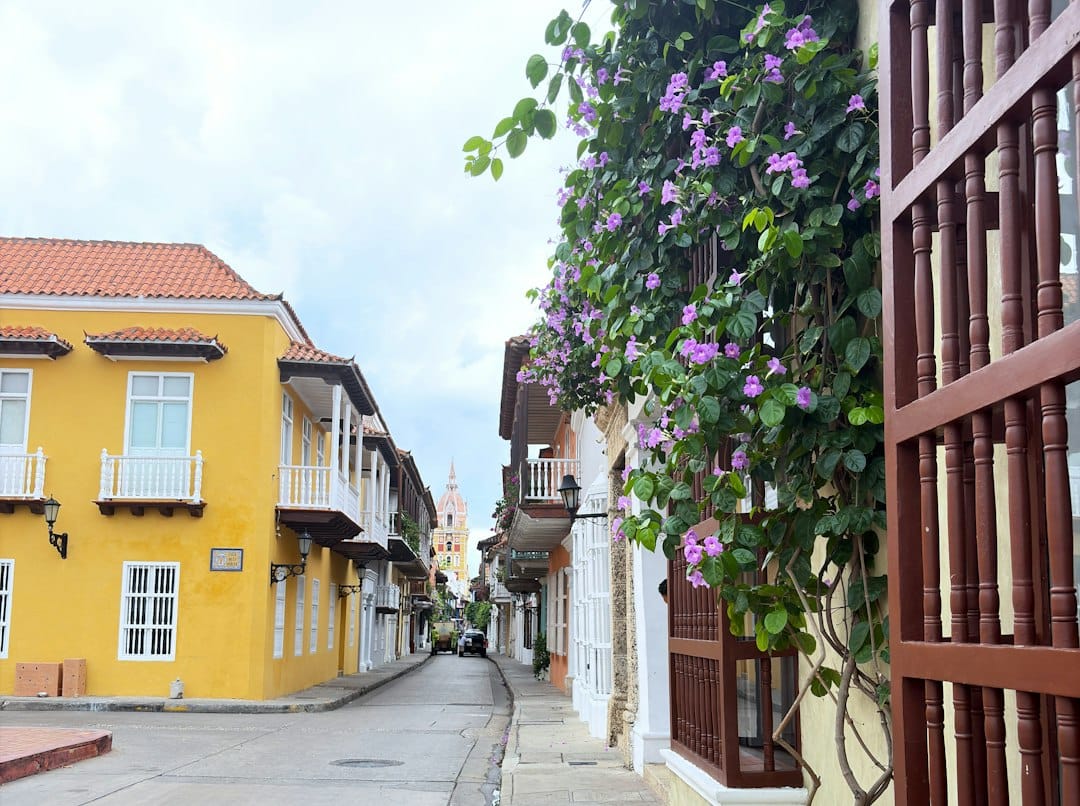
Colombia is a packing puzzle. It sits just north of the equator, so the seasons barely change, but the temperatures change dramatically with altitude. In a single 10-day trip you can shiver through a drizzly evening in Bogotá, stroll through Medellín in a T-shirt, and sweat through your shirt before breakfast in Cartagena. Pack for one of those and you will be miserable in the other two.
The good news is that ten days is short enough to travel carry-on only, and Colombia rewards travelling light. Domestic flights between the big cities are cheap and frequent, but the cheapest fares often come with tight baggage rules, and nobody wants to drag a giant suitcase over Cartagena's cobblestones or up the hillside streets of Comuna 13.
This guide is built around the classic three-city route of Bogotá, Medellín and the Caribbean coast, with a remote worker's needs in mind. That means room for a laptop and a decent power setup, clothes that work in a coworking space as well as on a boat to the Rosario Islands, and the small items that make a real difference once you are on the ground.
Pack for Three Climates, Not One Country
Pack for Three Climates, Not One Country
Bogotá, Medellín and Cartagena sit at very different altitudes, so each needs its own clothing.
| City | Altitude & Temperature | What to Wear |
|---|---|---|
| Bogotá | High in the Andes; cool days, cold nights | Warm layer, rain jacket, jeans, boots |
| Medellín | Mid-altitude valley; warm days, mild nights | Light trousers, T-shirts, thin evening layer |
| Cartagena | Caribbean coast; hot and humid all day | Linen, quick-dry fabrics, swimwear, sandals, hat |
Illustrative figures — composed for shape, not sourced
Start with Bogotá, because it is the city that catches people out. The capital sits at roughly 2,600 metres, and daytime highs hover around 19°C while evenings regularly drop to single digits. Add in frequent afternoon showers and grey skies, and you have a city that feels more like a cool spring day in northern Europe than the tropics. You need a proper warm layer here: a fleece, a light down jacket or a merino sweater, plus a packable rain jacket. Locals dress in jeans, boots and jackets, and shorts will mark you out immediately.
Medellín, at around 1,500 metres, earns its nickname as the City of Eternal Spring. Days sit in the mid-20s, nights are mild, and it is the easiest climate of the three to dress for. Light trousers, T-shirts and a thin layer for the evening cover almost everything. If you are heading up to Guatapé or the coffee region, bring that same light layer and your rain jacket, because the weather in the hills turns quickly.
Then there is Cartagena, at sea level, where daytime highs of around 31°C combine with heavy humidity. This is linen and quick-dry territory. Anything cotton and heavy will stay damp, and dark colours soak up the sun. Pack swimwear, sandals and a hat, and plan to change clothes more than once a day. The trick to the whole trip is choosing pieces that do double duty: your Cartagena T-shirts become base layers in Bogotá, and your Bogotá rain jacket keeps off tropical downpours on the coast.
Building a 10-Day Capsule Wardrobe
10-Day Capsule Wardrobe Counts
The essential clothing counts for a 10-day Colombia trip, built around laundry access and three distinct climates.
- Tops5
- Long trousers2
- Shorts1
- Warm layer1
- Rain jacket1
IllustrativeThe rule's own defined caps, as described in the post. Not measured, and not added together.
Ten days is the sweet spot for a capsule wardrobe because laundry is cheap and easy across Colombia. Most neighbourhoods in Bogotá and Medellín have a lavandería that will wash, dry and fold a bag of clothes by weight, often the same day. That means you only need to pack for about a week. A solid formula: five tops, two pairs of long trousers, one pair of shorts, one warm layer, one rain jacket, swimwear, and seven days of underwear and socks. Keep everything in a palette that mixes and matches, and you will have far more outfits than items.
Footwear deserves real thought. Colombian cities are made for walking, but the surfaces are uneven, steep and often slippery in the rain. Bring one pair of supportive, broken-in trainers or walking shoes as your main pair, one slightly smarter pair that works for dinner and a coworking day, and a pair of sandals for the coast. If you are unsure what to choose, our guide to the best walking shoes for travel is a good place to start. Leave the hiking boots at home unless you are trekking to the Lost City.
One cultural note worth packing for: Colombians, especially in Bogotá and Medellín, tend to dress well. Nobody expects tourists to look like they have stepped out of a fashion shoot, but a clean pair of chinos or dark jeans and a collared shirt or neat top will get you through nicer restaurants, rooftop bars and client video calls without feeling underdressed. Merino wool and technical fabrics are worth the splurge here: they resist odour, dry overnight and look presentable after a day of travel.
Enjoying this? Get more like it.
Weekly picks for remote workers and digital nomads — tools, destinations, and honest takes, straight to your inbox.
Subscribe free →Tech and Remote Work Essentials
Colombia uses Type A and Type B plugs, the same flat-pin style found in North America, on a 110-volt supply. Travellers from the US and Canada can plug straight in. Anyone coming from the UK, Europe or Australia needs an adapter, and a universal one with two or three USB-C ports is the smartest buy because it lets you charge a laptop, phone and headphones from a single socket. Most laptop and phone chargers handle anything from 100 to 240 volts, but check the label on hair dryers and straighteners, which often do not.
Tech and Remote Work Essentials
The cities are well connected; on the coast, pack a power bank and local data.
Illustrative figures — composed for shape, not sourced
Internet in Bogotá and Medellín is genuinely good. Medellín in particular has a thriving coworking scene in El Poblado and Laureles, and fibre connections are common in newer apartments. If you are thinking of staying longer, here is what living on $2,000 a month in Colombia actually costs. The coast is more hit and miss, and power cuts during storms are not unusual. A 20,000mAh power bank and a local SIM or eSIM with a generous data allowance mean you can hotspot through an outage and still make that afternoon call. Noise-cancelling headphones are also non-negotiable: Colombian cafés are lively, and reggaeton tends to start early.
You will be working from cafés, hostels and coworking spaces on shared networks, so take connection security seriously before you go. Our breakdown of what hackers can see on public WiFi explains the risks clearly. Beyond software, pack a laptop sleeve that fits inside an ordinary-looking backpack. Flashy branded tech bags signal that you are carrying something worth stealing, and in busy areas like La Candelaria or Centro, blending in is your best protection.
Health, Sun and Altitude
Being close to the equator means the sun is intense everywhere in Colombia, including chilly Bogotá. At altitude, the UV is stronger and the cool air hides how quickly you are burning. Pack a high-SPF sunscreen, a lip balm with SPF and sunglasses, and wear them even on overcast days. Sunscreen is widely available in Colombian pharmacies, but it can be expensive, so bringing a full-size tube from home is worthwhile if you have the space.
Insect repellent is essential on the coast and in any rural or jungle areas, where mosquitoes are a nuisance and can carry illnesses such as dengue. A DEET or picaridin repellent is the way to go. Vaccination advice changes, particularly around yellow fever for certain regions, so speak to a travel health clinic a few weeks before departure and check your government's current guidance. Alongside that, a small first-aid kit with rehydration sachets, painkillers, plasters and any prescription medication in its original packaging will cover most situations.
Health, Sun and Altitude
The sun is intense everywhere; repellent and filtered water matter most on the coast.
Illustrative figures — composed for shape, not sourced
If you fly straight into Bogotá, expect to feel the altitude for the first day or two: shortness of breath on stairs, headaches and poor sleep are common. Take it easy, drink plenty of water and go light on alcohol at first. A reusable water bottle with a built-in filter is one of the most useful things you can pack. Tap water is widely considered drinkable in Bogotá and Medellín, while many travellers prefer filtered water on the coast, and a filter bottle covers both without a stream of plastic bottles.
Documents, Money and Staying Secure
Before you fly, make sure your passport has plenty of validity left and complete Colombia's online Check-MIG migration form in the days before departure; airlines may ask to see confirmation at check-in. Travel insurance that covers medical treatment, theft and electronics is worth every peso. Keep scans of your passport, insurance policy and bookings in a secure cloud folder, and carry a paper photocopy of your passport photo page so the original can stay locked away while you explore.
Cards are accepted in most restaurants, supermarkets and coworking spaces in the big cities, but cash still rules for taxis, street food, markets and smaller towns. Bring two bank cards from different providers and keep them in separate places, so one lost or blocked card does not leave you stranded. Use ATMs inside banks or shopping centres rather than on the street, and withdraw during daylight. A slim money belt or hidden pouch is a sensible backup for your spare card and emergency cash; our guide on how to choose and wear a travel money belt covers the options.
Documents, Money and Staying Secure
Two cards in separate places, with a hidden pouch as the backup.
Illustrative figures — composed for shape, not sourced
Colombia has changed enormously, and most visitors have nothing but good experiences, but petty theft is real in crowded areas. Locals use the phrase no dar papaya, roughly meaning do not make yourself an easy target, and it is good packing advice too. Choose a daypack with zips that sit against your back, leave expensive jewellery at home, and carry an old or cheap phone for nights out if you have one. Keep your main phone in a front pocket, and use ride-hailing apps rather than flagging taxis on the street, particularly at night.
Choosing the Right Bag for the Route
For a 10-day trip, a 35 to 40 litre travel backpack or a compact carry-on suitcase is all you need. The backpack wins if your route includes the coast, smaller towns or Tayrona National Park, where wheels are useless on sand, dirt tracks and steep streets. The suitcase works if you are sticking to Bogotá and Medellín and moving mostly between apartments and coworking spaces. Packing cubes keep your three climates organised: one cube for warm layers, one for coastal clothes and one for everyday basics.
Choosing the Right Bag for the Route
The route, not the trip length, decides between backpack and suitcase.
Illustrative figures — composed for shape, not sourced
Check baggage rules carefully before booking domestic flights. Budget carriers flying between Colombian cities often include only a small personal item in the base fare, with fees for a cabin bag or checked luggage, and some enforce weight limits at the gate. Paying for a carry-on allowance when you book is usually cheaper than paying at the airport. Pair your main bag with a lightweight foldable daypack for city days, beach trips and carrying your laptop to a coworking session.
Finally, leave a little room. Colombia is dangerously good for shopping: single-origin coffee from the Eje Cafetero, handwoven mochila bags from the Wayuu communities of La Guajira, and colourful hammocks are all hard to resist. If your bag is stuffed on day one, you will either have to walk past these or buy a second bag. Aim to fly out with your bag about three-quarters full.
Packing for Colombia comes down to one principle: layers and versatility beat volume. A warm layer and rain jacket for Bogotá, breathable basics for Medellín and the coast, good shoes, strong sunscreen and a reliable power setup will carry you through ten days comfortably, with room to spare for coffee and souvenirs.
Get the bag right and the country does the rest. Colombia is one of the most rewarding places in Latin America for remote workers, with fast connections in the cities, a welcoming expat community and landscapes that change every few hundred kilometres. Pack light, pack smart, and leave plenty of space for the trip to surprise you.
FAQ
what temperature is bogota colombia
Bogotá sits at roughly 2,600 metres altitude with daytime highs around 19°C and evenings regularly dropping to single digits, plus frequent afternoon showers and grey skies.
what electrical plugs does colombia use
Colombia uses Type A and Type B plugs, the same flat-pin style found in North America, on a 110-volt supply. Travellers from the US and Canada can plug straight in, while those from the UK, Europe or Australia need an adapter.
how much laundry costs colombia
Most neighbourhoods in Bogotá and Medellín have a lavandería that will wash, dry and fold clothes by weight, often the same day, making laundry cheap and easy across Colombia.
is tap water safe to drink colombia
Tap water is widely considered drinkable in Bogotá and Medellín, while many travellers prefer filtered water on the coast.
Sources
Illustrative, composed for shape rather than sourced: Building a 10-Day Capsule Wardrobe; Pack for Three Climates, Not One Country. Updated 3 Nov 2026.