Best Suitcase Brands for Long-Term Durability
There is a particular sound every long-term traveller learns to dread: the sharp crack of a suitcase wheel snapping off on an airport tile floor, halfway between the gate and the taxi rank. When you live out of a bag for months at a time, luggage stops being a fashion accessory and becomes a piece of critical infrastructure. It gets thrown, dragged, dropped from conveyor belts, and stuffed into overhead bins for years on end.
Cheap suitcases are a false economy. Buy a $60 bargain-bin roller and you will likely replace it two or three times over the same period a well-built case would have quietly soldiered on. Factor in the cost of ruined electronics, spilled toiletries, and the stress of a burst zipper in a foreign transit hall, and durability quickly becomes the single most important spec to shop for.
This roundup covers the suitcase brands that consistently survive the punishing rhythm of location-independent life. We will look at what actually makes a case last, the brands worth your money at every price point, the mistakes that shorten any bag's lifespan, and how to match the right case to how you travel.
What Actually Makes a Suitcase Durable
Durability lives in the details, and the first place to look is the shell material. Polycarbonate is the gold standard for hardside cases because it flexes under impact and springs back rather than cracking. Aluminium is even tougher and practically immortal, but it dents visibly and carries a heavy price and weight penalty. For softside bags, look for ballistic nylon or high-denier polyester — a 1680D nylon exterior shrugs off abrasion that would shred a thin fabric shell within a season.
After the shell, the wheels and zippers are where most suitcases die. Sealed double-spinner wheels made from polyurethane roll smoother and last far longer than the hollow plastic wheels bolted onto budget cases. Zippers are the other common failure point — YKK is the name to look for, and self-repairing coil zippers are more forgiving than chunky metal teeth. If you can find a case that lets you replace wheels and pull tabs yourself, that alone can double its working life.
Finally, pay attention to the telescoping handle and the corners. A wobbly single-tube handle is a ticking clock; dual-tube aluminium handles resist bending when a heavily loaded bag gets yanked around. Reinforced or moulded corners protect the shell's most vulnerable edges. None of these features are glamorous, but together they separate a case that lasts five years from one that lasts fifty flights.
The Best Suitcase Brands for Long-Haul Longevity
The Best Suitcase Brands for Long-Haul Longevity
For illustration, a feature comparison of how top-tier suitcase brands stack up for long-term travel might include metrics such as warranty length, average user ratings, material durability scores, and estimated lifespan under heavy use.
| Feature | Rimowa | Samsonite Omni | Away Carry-On |
|---|---|---|---|
| Warranty Period | Limited Lifetime | 10 years | 5 years |
| Material | Polycarbonate | Copolyester | Polycarbonate |
| Average Lifespan | 10+ years | 8–10 years | 6–8 years |
| Wheel Replacement | Available | Available | Not available |
| Repair Network | Global | Global | Limited |
Illustrative figures — composed for shape, not sourced
Briggs & Riley sits at the top of the durability pyramid, and it earns the position with a genuinely unconditional lifetime warranty that covers airline damage — something almost no competitor matches. Their ballistic nylon cases and patented outsider handle system are built to be repaired for free, forever. The price is steep, but for someone who flies constantly, it is arguably the last suitcase you will ever need to buy.
Rimowa is the aluminium icon, and while the branding commands a luxury premium, the underlying engineering is legitimate. Their grooved aluminium cases develop a lived-in patina of dents and stickers that many long-term travellers wear as a badge of honour, and the shells simply refuse to crack. If aluminium's weight bothers you, Rimowa's Essential polycarbonate line delivers similar toughness at a lower price and lighter carry. Tumi occupies a similar tier for softside bags, with dense ballistic nylon and a strong repair network in major cities.
For those unwilling to spend four figures, Away and Travelpro hit the value-durability sweet spot. Away's polycarbonate cases come with a limited lifetime warranty and consistently survive years of abuse, while Travelpro — the brand originally built for flight crews — makes softside rollers engineered for the daily grind of professional travel. Both prove that you do not need to remortgage anything to buy a case that outlasts a decade of trips. If you are still deciding between hardside and softside, our guide to the best luggage types for international travel breaks down the trade-offs in more depth.
Enjoying this? Get more like it.
Weekly picks for remote workers and digital nomads — tools, destinations, and honest takes, straight to your inbox.
Subscribe free →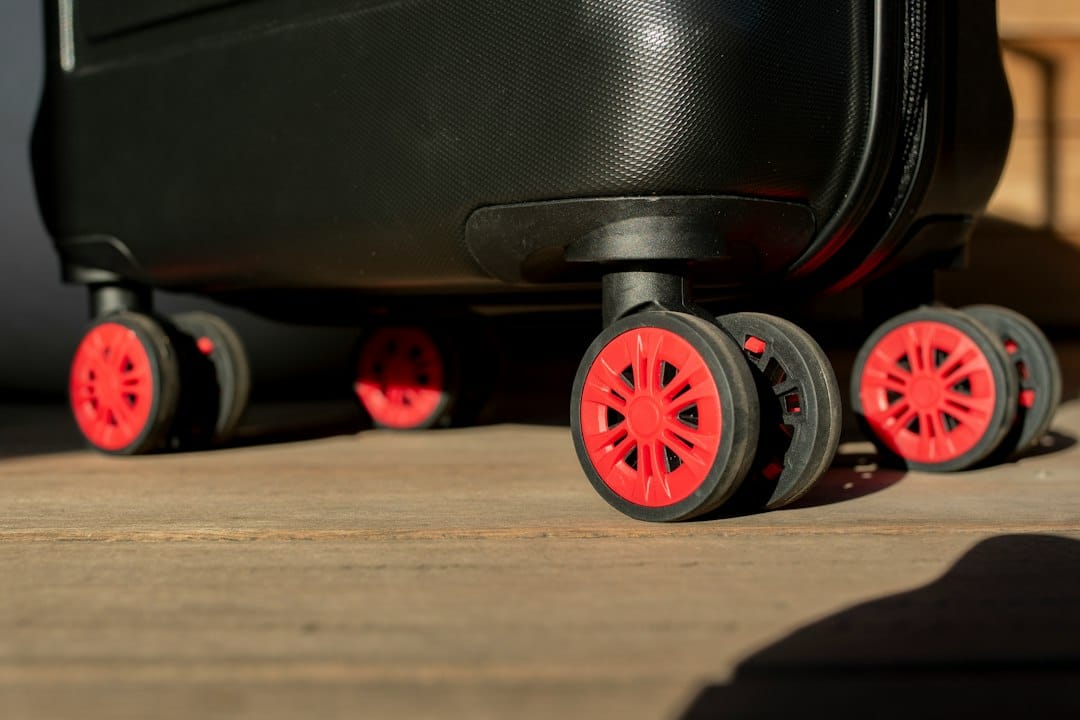
Common Mistakes That Kill Even the Best Suitcase
The fastest way to destroy a premium case is to overpack it. Cramming a bag past its intended volume strains the zipper coils, warps the shell, and puts constant pressure on the seams every time it flexes. A suitcase built to last decades can fail within months if it is treated as an expandable balloon. Pack to the case's capacity, not to the limits of your willpower, and it will reward you with years of quiet service.
Poor weight distribution is the second killer. When heavy items sit high or all pile onto one side, the case becomes unbalanced and tips constantly, hammering the wheels and handle with every stumble. Load your heaviest items near the wheels and keep the weight even side to side. This is where packing systems pay off — using compression packing cubes keeps your load stable, dense, and evenly balanced rather than shifting around and stressing the shell mid-transit.
Neglecting maintenance is the third mistake, and the easiest to fix. Grit builds up in wheel bearings and grinds them down over time, so a quick rinse and occasional drop of silicone lubricant keeps them spinning. Zippers benefit from the same treatment. And when something does break, actually use the warranty — too many people let a repairable case rot in a closet because they never bothered to ship it back. The whole point of buying a durable brand is the support behind it.
Matching Your Suitcase to How You Travel
The most durable suitcase in the world is the wrong choice if it does not fit your travel style. If you move between cities every few weeks, a carry-on-sized hardside spinner keeps you nimble and avoids the checked-bag lottery entirely. Frequent flyers who work as they travel should prioritise a case with a dedicated, padded laptop compartment — our roundup of the best carry-on luggage for tech travel covers the models that protect gear best.
If you settle into co-living spaces or apartments for months at a time, a larger checked case makes more sense — the extra volume lets you carry seasonal clothing, a proper work setup, and the small comforts that make a temporary home feel livable. In that scenario, weight matters less and capacity matters more, tilting the decision toward a roomy softside or a mid-size polycarbonate check-in that still comes in under airline limits.
Terrain is the underrated variable. Two-wheel inline rollers handle cobblestones and gravel far better than four-wheel spinners, which excel on the smooth floors of airports and hotels but chatter miserably across a European old-town square. Think honestly about where your bag will actually roll. Someone bouncing between train stations across the continent has different needs than someone flying point to point — and if that is you, our comparison of flying versus trains in Europe is worth a read before you commit to a wheel type.
When a Warranty Is Worth More Than the Suitcase
When a Warranty Is Worth More Than the Suitcase
For example, warranty coverage comparison for premium suitcase brands: what is and isn't typically covered.
| Coverage Type | Rimowa | Samsonite | Delsey |
|---|---|---|---|
| Manufacturing defects | Covered | Covered | Covered |
| Wheel failure | Covered | Covered | Covered |
| Accidental damage | Not covered | Optional add-on | Optional add-on |
| Water damage | Not covered | Not covered | Covered |
| Free repair shipping | All locations | Selected locations | Home location only |
Illustrative figures — composed for shape, not sourced
For long-term travellers, the warranty is not a footnote — it is arguably the most valuable feature you are buying. A suitcase that comes with lifetime, no-questions repair coverage effectively amortises to almost nothing over years of use, because every wheel, zipper, and handle failure gets fixed for free. Read the fine print carefully, though: many "lifetime" warranties explicitly exclude airline and transit damage, which is precisely how most travel cases get wrecked.
This is where Briggs & Riley's coverage stands apart, since it explicitly includes airline-inflicted damage. Away and Travelpro offer limited lifetime warranties that cover manufacturing defects and functional failures but not cosmetic scuffs, which is a fair line to draw. Rimowa and Tumi provide multi-year limited warranties backed by extensive service centres in major hubs — useful if you spend time in big cities where repairs are easy to arrange.
Before you buy, check whether the brand has a service presence in the regions you frequent, and keep your proof of purchase in cloud storage so it is always accessible. A repair claim from abroad is far less painful when you can produce the receipt from your phone. Treating the warranty as an active tool rather than a marketing line is what turns an expensive case into a genuine lifetime investment.
Buying a durable suitcase is one of the highest-return decisions a location-independent professional can make. The upfront cost stings, but spread across hundreds of journeys it works out to pennies per trip — and it spares you the recurring hassle of replacing failed bags and mopping up the collateral damage they cause.
Choose a shell and wheel system built for abuse, back it with a warranty that actually covers travel damage, match the size and wheel type to how you move, and then treat the bag with a little basic care. Do that, and your suitcase will quietly outlast the destinations, the visas, and possibly the phone you booked the flights on.