10 Essential Travel Items You Can't Leave Behind
Short answer
The 10 essential travel items are your passport and travel documents, a reliable bag, a phone with an unlocked SIM or eSIM, a universal power adapter, a power bank, a basic first-aid and medication kit, a reusable water bottle, a backup payment card, noise-cancelling headphones, and versatile, layerable clothing.
There is a particular kind of silence that falls over you at a departure gate when you realise something is missing. Maybe it's the charger still coiled beside the bed back at the apartment, or the card you meant to move from one wallet to another. The coffee goes cold in your hand, the boarding announcement crackles overhead, and suddenly the whole trip tilts on the absence of one small, forgettable object.
For anyone who lives and works on the move, packing isn't a once-a-year ritual. It's a rhythm, repeated every few weeks or months as you shift from a rented flat in a hillside town to a co-living house by the sea. Over time, the bag becomes less of a container and more of a portable home, and the items inside it become the scaffolding that holds your days together: the work calls, the long train rides, the late arrivals in cities where you don't yet speak the language.
So what are the 10 essential travel items? Not the gadgets that look good in packing videos, but the ones that genuinely earn their space, the things experienced travellers reach for again and again. This guide walks through each of them, why they matter, the mistakes people make, and how to adapt your kit to wherever the road takes you next.
The Foundations: Documents, Money, and the Bag That Carries It All
The Foundations: Documents, Money, and the Bag That Carries It All
A decision tree to ensure you carry redundancy and protection across your critical travel items.
Do you have backup copies of all travel documents in the cloud?
Set up encrypted cloud backup
Passport, visas, permits, insurance, and accommodation proofs stored separately from physical copiesAre your cards from different banks and stored separately?
Distribute cards across locations
One in wallet, one in main bag, small emergency cash in a third spotRedundancy in place
A single point of failure no longer ends your tripIllustrativeA rule of thumb from the advice above. No figures shown.
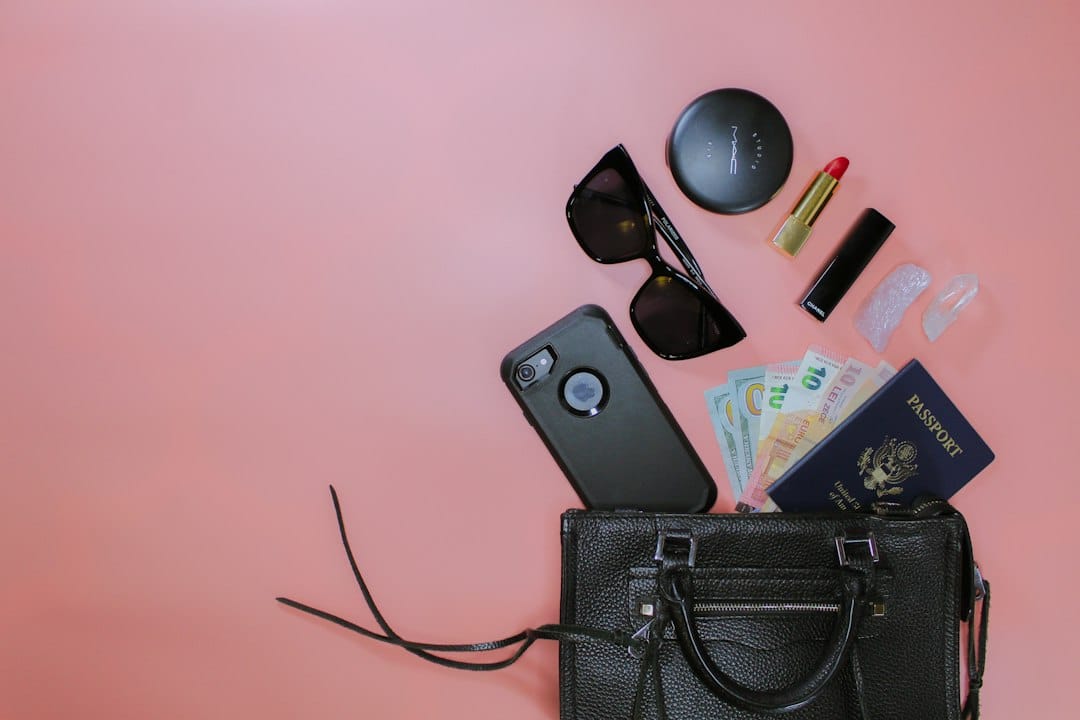
Start with the items that, if forgotten, end the trip before it begins. Your passport and travel documents sit at the very top of the list, and not just the passport itself. Think about visa confirmations, proof of onward travel, insurance details, and, for long-stay nomads, the paperwork behind residency permits or digital nomad visas. Keep physical copies in a slim document wallet and digital copies in an encrypted cloud folder you can reach from any device. When a border officer asks for an accommodation address at the end of a twelve-hour flight, you'll be grateful it's two taps away rather than buried in an old email thread.
Next comes money, and more specifically, redundancy. A single bank card is a single point of failure. Cards get swallowed by ATMs in quiet side streets, frozen by overzealous fraud systems, or simply lost between a market stall and a tram seat. Carry at least two cards from different banks, ideally on different networks, and store them in separate places: one in your wallet, one tucked deep in your bag. A small reserve of a widely accepted currency, folded away for emergencies, can bridge the gap while you sort out a replacement.
Then there's the bag itself, the vessel for everything else. Whether you favour a structured carry-on suitcase or a clamshell backpack, it needs to survive airport conveyors, overhead bins, and the uneven pavements of old European towns. If you're weighing options, our guide to the best luggage for long-term travel breaks down which designs hold up after months on the move. The right bag doesn't just carry your things; it shapes how freely you move through the world.
Staying Connected and Charged: The Tech Essentials
Staying Connected and Charged: The Tech Essentials
The core tech essentials for remote workers on the move, and what each item solves.
| Tech Essential | Primary Use | Why It Matters |
|---|---|---|
| Unlocked phone with eSIM | Connectivity & navigation | Online before leaving the airport |
| Universal power adapter | Charge multiple devices | Works across all socket types |
| Compact power bank | Extend battery on long journeys | Charged device when outlets unavailable |
| Noise-cancelling headphones | Audio focus & professional calls | Workspace in any environment |
Illustrative figures — composed for shape, not sourced
For remote workers, the phone is the beating heart of the kit. It's your boarding pass, map, translator, bank, and lifeline. The essential detail is that it should be unlocked and compatible with eSIMs, so you can land in a new country and be online before the plane has finished taxiing. Picture stepping out into the warm, diesel-scented air outside an arrivals hall, opening a ride-hailing app, and watching it connect instantly. That small moment of ease sets the tone for everything that follows.
A universal power adapter and a compact power bank form the quiet support crew behind that phone. Plug shapes vary wildly, from the chunky three-pin sockets of the UK to the slender round prongs of continental Europe and the mix you'll find across Southeast Asia. A good adapter with built-in USB-C ports lets you charge a laptop, phone, and headphones from a single wall socket in a cramped guesthouse room. The power bank, meanwhile, rescues you on long bus journeys, in cafés where every outlet is taken, and during the occasional rolling blackout.
Noise-cancelling headphones round out the tech essentials, and they're more than a luxury. They turn the roar of a jet engine into a soft hum, carve out a pocket of focus in a buzzing coworking space, and make a video call from a busy hostel lobby feel almost professional. On an overnight train, they become a gentle barrier between you and the world, letting you drift off to the rhythm of the tracks rather than the conversation three rows down.
Enjoying this? Get more like it.
Weekly picks for remote workers and digital nomads — tools, destinations, and honest takes, straight to your inbox.
Subscribe free →Health, Comfort, and the Small Things That Save a Trip
A compact first-aid and medication kit rarely feels essential until the night it becomes indispensable. Imagine arriving in a small coastal town after the pharmacy has shuttered for the evening, with a headache blooming behind your eyes or a blister rubbing raw after a day of exploring. A zip pouch holding pain relief, plasters, rehydration salts, antihistamines, any prescription medication you rely on, and a copy of the prescription itself can turn a miserable evening into a minor inconvenience.
The reusable water bottle earns its place through sheer daily usefulness. It saves money, cuts down on plastic waste, and keeps you hydrated on sweltering afternoons wandering through markets or on long-haul flights where the cabin air feels like desert wind. In places where tap water isn't safe to drink, a bottle with a built-in filter becomes even more valuable. Fill it after security, clip it to your bag, and you've quietly solved one of travel's most persistent small problems.
Comfort matters more than many travellers admit, especially when life on the road stretches from weeks into months. Constant movement, shifting time zones, and the pressure to keep working can wear you down in ways that sneak up slowly. Small rituals, such as a familiar tea, a sleep mask, or a lightweight scarf that doubles as a blanket, help anchor you. If the pace ever starts to feel relentless, our piece on mastering digital nomad burnout explores how to protect your energy while staying on the move.
Clothing That Works Everywhere: The Art of the Versatile Wardrobe
The tenth essential isn't a single item but a philosophy: versatile, layerable clothing. Rather than packing for every imaginable occasion, build a small capsule of pieces that mix and match. Neutral colours, quick-drying fabrics, and merino wool layers can carry you from a chilly morning in a mountain town to a humid evening in a seaside city. A light waterproof jacket, one smart outfit for client calls or a nice dinner, and comfortable walking shoes form the backbone of a wardrobe that adapts to almost anything.
There's a quiet freedom in owning fewer clothes on the road. Mornings become simpler when choices are limited, and laundry turns into a manageable weekly ritual rather than a mountain. Picture rinsing a shirt in a guesthouse sink, hanging it by an open window as the call to prayer drifts across the rooftops, and finding it dry by breakfast. That's the beauty of fabrics designed for movement: they're forgiving, practical, and surprisingly elegant when chosen with care.
Packing cubes help this system shine. They compress bulky layers, separate clean from worn, and turn unpacking in a new place into a thirty-second job. When you're changing accommodation every few weeks, that sense of order matters. Your bag becomes a predictable landscape you can navigate in the dark, which is exactly what you want when you arrive somewhere new at midnight.
Common Packing Mistakes Even Seasoned Travellers Make
The most common mistake is packing for fears rather than for reality. It's tempting to throw in the extra pair of shoes, the third jacket, the gadget you might need someday. But anything you can easily buy at your destination, such as toiletries, a cheap umbrella, or sunscreen, rarely needs to travel with you. Experienced travellers find that the heaviest bags usually belong to those who haven't yet learned how much the world already provides.
Another frequent misstep is keeping all your essentials in one place. Passport, cards, phone, and cash bundled together in a single pocket mean one moment of distraction can cost you everything. Spread the risk. Keep a backup card in your main bag, a copy of your passport in the cloud, and a little emergency cash somewhere unexpected. It's an unglamorous habit, but it's the one that turns a potential crisis into a mere hiccup.
Finally, many travellers forget to test their kit before leaving. Charge the power bank, check that the adapter actually fits your laptop plug, confirm your phone accepts an eSIM, and walk around the block with your fully packed bag on your back. If it feels heavy on a familiar street, it will feel twice as heavy climbing steep stone steps under a midday sun.
Adapting Your Essentials to Different Destinations
The core ten stay constant, but how you tailor them shifts with the destination. In Southeast Asia, prioritise a filtered water bottle, breathable clothing, insect repellent, and a light layer for aggressively air-conditioned buses and cafés. Humidity can be hard on electronics, so a few silica packets tucked into your tech pouch are worth their weight. Modest clothing that covers shoulders and knees also opens the doors of temples you'll want to explore.
Across Southern Europe, particularly in hilly cities like Lisbon or Porto, footwear and luggage choices take centre stage. Cobblestones are charming in photographs and unforgiving underfoot, and they can destroy flimsy wheels in a matter of days. Our guide to the best wheeled luggage for cobblestone streets is a helpful companion if you're planning a season in the old towns of the Iberian Peninsula. Pair sturdy shoes with a crossbody bag that keeps your valuables close on crowded trams.
Colder destinations, from Northern Europe in winter to high-altitude towns in South America, call for thermal base layers, a packable insulated jacket, and gloves that still let you use a touchscreen. Battery life drops quickly in the cold, which makes your power bank even more important. Whatever the climate, the principle remains the same: keep the foundation steady and adjust the details to match the place.
In the end, the essential travel items aren't about owning the perfect gear. They're about building a kit that frees you to be present: to linger over a slow breakfast in a sunlit plaza, to say yes to a last-minute train to a town you'd never heard of, to open your laptop in a new café and feel instantly at work. Documents, money, a dependable bag, a connected phone, power, health basics, water, headphones, and versatile clothing form the quiet backbone of that freedom.
Pack them with care, test them before you go, and then let them fade into the background. The best travel kit is the one you stop thinking about, leaving your attention free for the smell of rain on warm stone, the sound of an unfamiliar language drifting from a balcony, and the slow, satisfying feeling of making a new place your own.
FAQ
what documents do I need to carry when traveling
You should carry your passport along with visa confirmations, proof of onward travel, insurance details, and for long-stay nomads, paperwork for residency permits or digital nomad visas. Keep physical copies in a slim document wallet and digital copies in an encrypted cloud folder accessible from any device.
how many credit cards should I bring traveling
You should carry at least two cards from different banks on different networks, stored in separate places like one in your wallet and one tucked deep in your bag. This protects you if a card gets lost, frozen, or swallowed by an ATM.
what phone features do I need for international travel
Your phone should be unlocked and compatible with eSIMs so you can get online in a new country before leaving the airport. This lets you instantly access your boarding pass, maps, translation apps, and ride-hailing services.
what clothing should I pack for long term travel
Pack versatile, layerable clothing in neutral colours using quick-drying fabrics and merino wool, along with a light waterproof jacket, one smart outfit, and comfortable walking shoes. This small capsule of pieces mixes and matches to adapt to different climates and occasions.
Sources
Illustrative, composed for shape rather than sourced: The Foundations: Documents, Money, and the Bag That Carries It All; Staying Connected and Charged: The Tech Essentials; Adapting Your Essentials to Different Destinations. Updated 2 Oct 2026.