Best Neighborhoods for Expats in Chiang Mai
Chiang Mai has been the unofficial capital of the digital nomad world for over a decade, and the title still fits. The northern Thai city delivers a rare combination: absurdly low costs, fast fibre internet, a food scene that ruins you for anywhere else, and a community of remote workers so established you'll trip over a coworking space every few blocks. But here's the thing most guides gloss over — Chiang Mai is not one place. It's a patchwork of neighbourhoods, each with its own rhythm, price point, and personality.
Pick the wrong area and you'll spend your first month feeling like the city was oversold. Pick the right one and you'll understand why so many people arrive for a two-week trial and end up staying two years. Where you plant yourself determines your commute to cafes, your rent, how much English you'll hear, and whether your evenings feel like a buzzing expat hub or a quiet local street with a soi dog for company.
This guide breaks down the neighbourhoods that actually matter for remote workers — the good, the overhyped, and the underrated — plus the coworking scene, cost realities, and the practical stuff nobody tells you until you're already there.

Nimman: The Nomad Epicentre (For Better or Worse)
If you've read anything about Chiang Mai, you've read about Nimmanhaemin — Nimman for short. This is the trendy, walkable, cafe-saturated district northwest of the Old City, and it's where most first-time nomads land. And honestly? For good reason. Nimman packs the highest density of specialty coffee shops, coworking spaces, brunch spots, and cocktail bars in the city. You can roll out of a condo, grab a flat white, work six hours in an air-conditioned cafe, and be at a rooftop bar by sunset without ever needing a scooter.
The trade-off is cost and character. Nimman is the most expensive part of Chiang Mai, though "expensive" here still means a modern studio condo for around 12,000–18,000 THB a month (roughly $340–$510). The MAYA mall anchors the area, the Nimman One and One Nimman complexes are packed with cafes, and everything feels polished. Some people find it soulless — a bubble of matcha lattes and MacBooks where you could forget you're in Thailand at all. Others find that predictability deeply comforting after a rough month of slow travel.
My honest take: Nimman is worth it for your first month. The convenience shortens the learning curve dramatically, and the built-in community means you'll make friends fast. Just don't assume it's the only option — plenty of nomads outgrow the polish and move somewhere with a bit more grit and lower rent once they find their feet.
The Old City and Santitham: Character, Community, and Value
The Old City and Santitham: Character, Community, and Value
For illustration purposes, here's a side-by-side comparison of how Chiang Mai's popular expat neighborhoods might compare across cost, community, and lifestyle factors.
| Neighborhood | Nimman | Old City | Santitham |
|---|---|---|---|
| Avg. Monthly Rent (1BR) | $1,200–$1,400 | $800–$950 | $650–$800 |
| Coworking Spaces | 15+ | 3–5 | 1–2 |
| Expat Community Size | Very Large | Moderate | Small |
| Local Thai Culture | Limited | Strong | Strong |
| Noise & Crowds | High | Moderate | Low |
| Best For | Social nomads | Balance seekers | Budget minimalists |
Illustrative figures — composed for shape, not sourced
The Old City is the historic square moat-and-wall heart of Chiang Mai, dense with temples, guesthouses, and market stalls. It's more backpacker than long-term nomad, and the constant tourist churn can wear thin. But if you love waking up to temple bells and want to be walking distance from the Sunday Walking Street market, staying inside or just outside the moat has an undeniable romance. Rents are moderate, though older buildings mean you'll want to inspect for aircon quality and Wi-Fi speed before signing anything.
The real value play, though, is Santitham. Wedged between the Old City and Nimman, this dense, unpretentious neighbourhood is where a lot of savvy long-termers live. It's messier and more local — think street food carts, no-frills apartment blocks, and a genuine Thai-neighbourhood feel — but you get Nimman's cafes a five-minute scooter ride away for a fraction of the rent. Studios here can dip to 5,000–8,000 THB a month, and the street food alone will save you a fortune.
Santitham is where you go when you've stopped treating Chiang Mai as a holiday and started treating it as a base. It rewards people willing to learn a little Thai, ride a scooter, and eat where the locals eat. If you're weighing up affordability across destinations, it lines up perfectly with the ethos behind slow travel cities that stretch your budget — Chiang Mai remains one of the best value-for-lifestyle deals on the planet.
Enjoying this? Get more like it.
Weekly picks for remote workers and digital nomads — tools, destinations, and honest takes, straight to your inbox.
Subscribe free →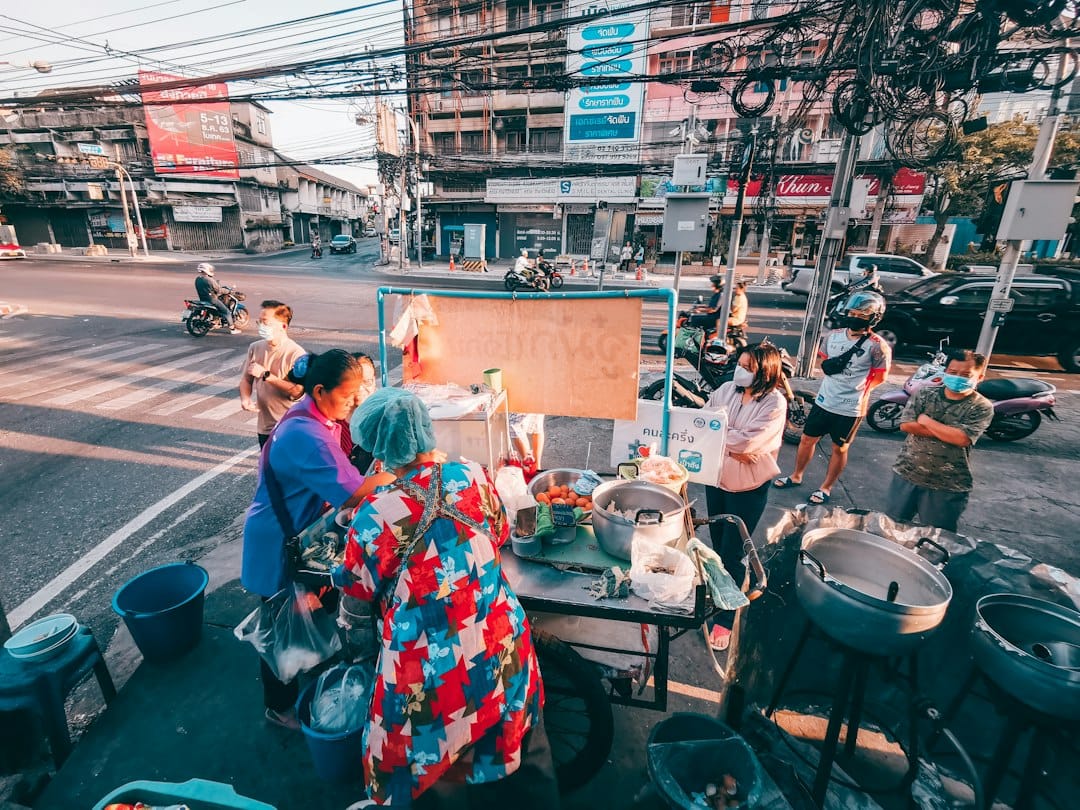
Finding the Best Coworking in Chiang Mai
Let's talk about the best coworking Chiang Mai has to offer, because the coworking culture here is genuinely part of why the city earned its reputation. The gold standard for years has been Yellow Coworking, sitting on the edge of Nimman with reliable fibre, quiet zones, a rooftop, and a community events calendar that makes meeting people effortless. CAMP at the MAYA mall is the free-if-you-buy-coffee option — open 24 hours, packed with students and freelancers, and perfect if your budget is tight and you don't mind noise and a purchase requirement.
Beyond those, Punspace runs two solid locations — one in Nimman and one near Tha Phae Gate in the Old City — both purpose-built for remote workers with ergonomic setups, meeting rooms, and skimpable monthly memberships. Heartwork and The Brick are worth a look if you want something a little calmer and more design-led. Most spaces offer day passes (200–350 THB) so you can sample a few before committing to a monthly plan, which usually runs 3,000–4,500 THB.
That said, Chiang Mai's cafe-as-office culture is so strong that many nomads skip dedicated coworking entirely and rotate between cafes with plug sockets and strong Wi-Fi. It works, but it has downsides — inconsistent seating, video-call awkwardness, and the low-grade guilt of hogging a table. If you value structure and a proper community, a membership pays for itself. If you want maximum flexibility without a fixed base, a flexible coworking pass can be a smarter way to bounce between spaces without locking into one contract.
Quieter Alternatives: Chang Klan, Hang Dong, and the Suburbs
Not everyone wants to be in the thick of the nomad scrum, and Chiang Mai rewards people who venture a little further out. Chang Klan, the area running down toward the famous Night Bazaar and along the Ping River, offers a middle ground — riverside condos, a mix of tourists and locals, and easy access to both the Old City and the airport. It's a good pick if you want a slightly more grown-up, less studenty vibe without sacrificing convenience. Riverside apartments here can feel like a genuine upgrade for not much more money.
Head further south or west and you hit Hang Dong and the areas around it — greener, quieter, and increasingly popular with families and longer-term expats who want space, a garden, and a slower pace. You'll absolutely need a scooter or car out here, and you'll trade walkable cafes for peace and lower rent on actual houses. This is the Chiang Mai for people building a life rather than passing through, and it's where a lot of the retiree and family expat community has settled.
There's also a strong co-living scene sprinkled around the city that bridges the gap between hotel and long-term rental — great for anyone who wants community baked in without hunting for an apartment solo. If that appeals, it's worth browsing affordable co-living spaces built for nomads before you arrive, so you have a soft landing while you scout neighbourhoods in person.
Practical Tips Before You Sign a Lease
Practical Tips Before You Sign a Lease
Key lease terms, security practices, and documentation requirements for expat renters in Chiang Mai.
| Lease Requirement | Status | Typical Cost/Detail |
|---|---|---|
| Passport Copy & Work Permit | Mandatory | No cost |
| Security Deposit | Standard | 1 month's rent |
| Thai Lease Agreement (Bilingual) | Recommended | Request from landlord |
| Embassy Registration (90 days) | Required | Free; forms provided |
| Utilities Deposit | Common | 500–1,000 THB |
| Agent Commission | Add-on | 0.5–1 month's rent |
Illustrative figures — composed for shape, not sourced
Whatever neighbourhood you're leaning toward, don't commit to a long lease sight unseen. The single biggest mistake new arrivals make is booking a three-month rental online before setting foot in the place. Instead, book a week or two at an Airbnb or guesthouse in your target area, then walk the streets, test the real commute to cafes, and check things like construction noise and the state of the Wi-Fi during peak evening hours. Condos vary wildly even within the same building.
Factor in the seasons, too. February to April is burning season, when agricultural fires blanket the region in genuinely hazardous smoke. If you're air-quality sensitive, some nomads leave entirely during these months or make sure their condo has a good air purifier. It's the one asterisk on Chiang Mai's otherwise glowing report card, and it's worth planning around rather than being blindsided by. Aside from that, connectivity is excellent citywide — but always confirm your data plan works, and check the cheapest ways to use your phone abroad so you're not overpaying for a local SIM or roaming.
Finally, get a scooter — or at least get comfortable with Grab, the regional ride-hailing app. Chiang Mai is spread out, and being able to move between a Santitham apartment and a Nimman cafe in minutes transforms which neighbourhoods are viable for you. Rent a scooter monthly for around 2,500–3,500 THB, wear a helmet, and take it slow while you learn the roads. Mobility here is freedom, and it opens up the quieter, cheaper corners of the city that never make the guidebooks.
There's no single "best" neighbourhood in Chiang Mai — there's the best one for your stage of the nomad journey. First-timers should lean into Nimman's convenience and community, then branch out. Budget-focused long-termers thrive in Santitham. Families and those craving quiet gravitate toward Chang Klan's riverside or the leafy calm of Hang Dong. The beauty of Chiang Mai is that all of these live within a twenty-minute scooter ride of each other, so you're never locked in.
Give yourself a month to explore before you settle, sample a few coworking spaces, eat everything, and let the city show you where you belong. Chiang Mai has kept nomads coming back for over a decade for a reason — and once you find your corner of it, you'll understand exactly why the two-week trials so often turn into two-year stays.