Best Low Budget Airlines in Europe
There is a particular kind of magic in the moment you realise that hopping from Lisbon to Kraków, or from Milan to the Baltic coast, can cost less than a weekend's worth of groceries. Europe's low budget airlines have quietly rewired what it means to live and work across borders. For anyone building a life around flexibility — clients in one time zone, a favourite café in another, a coworking desk somewhere in between — these carriers are not just a travel option. They are the connective tissue of the entire lifestyle.
But the world of low budget airlines in Europe is a landscape of small print, hidden fees, and the occasional 5am departure from an airport an hour outside the city it claims to serve. Get it right and you glide between countries for the price of a train ticket. Get it wrong and you hand back every euro you saved in baggage charges and rebooking penalties. The difference is knowledge — knowing which airline suits which route, and how to sidestep the traps designed to catch the unprepared.
This guide walks you through the carriers worth knowing, the fine print worth reading, and the small habits that keep budget flying genuinely cheap. Think of it less as a ranked list and more as a field manual for anyone who treats the continent as a single, sprawling neighbourhood to be explored one boarding pass at a time.
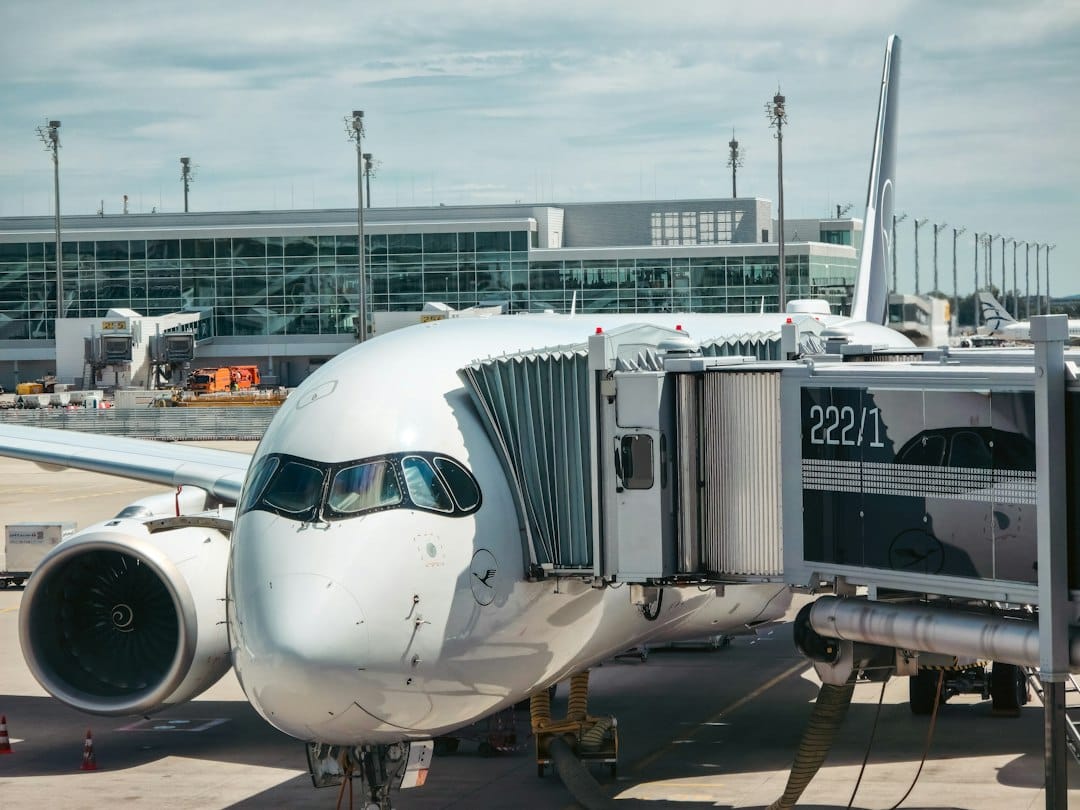
The Big Players Worth Knowing
The Big Players Worth Knowing
For illustration, a typical feature comparison of five major European budget carriers and their core policies might include metrics such as average baggage fees, seat selection charges, and cancellation policies.
| Airline | Checked Baggage | Seat Selection | Cancellation Refund |
|---|---|---|---|
| Ryanair | Paid add-on | Paid add-on | Credit only |
| EasyJet | 1 bag included | Paid add-on | Full refund |
| Wizz Air | Paid add-on | Paid add-on | Credit only |
| Vueling | 1 bag included | Free standard | Full refund |
| Spirit | Paid add-on | Paid add-on | Credit only |
Illustrative figures — composed for shape, not sourced
Ryanair is the giant that casts the longest shadow. Love it or resist it, its network is unmatched — hundreds of routes stitching together secondary airports from Ireland to the Aegean. The fares can feel almost fictional in their cheapness, and if you travel with a single small bag that slides beneath the seat, you can genuinely fly for the price of a takeaway coffee. The catch is discipline: every extra, from a printed boarding pass to a cabin bag in the overhead locker, is priced separately and unapologetically. Ryanair rewards the traveller who reads instructions and punishes the one who improvises at the gate.
easyJet occupies a slightly gentler middle ground. It often flies into primary airports closer to city centres, which matters enormously when you land at 11pm and the last cheap transfer has vanished. Its cabin bag allowance has historically been more generous, and the overall experience feels a notch more forgiving. Then there is Wizz Air, the quiet powerhouse of central and eastern Europe. If your rhythm involves Budapest, Bucharest, Warsaw, or the sun-warmed corners of the Balkans, Wizz opens doors the western carriers barely touch, frequently at prices that make you double-check the currency.
Beyond the headline trio sit useful specialists. Vueling connects Spain and the wider Mediterranean with a strong Barcelona hub. Transavia links the Netherlands and France to sunnier southern destinations. Norwegian and its regional cousins handle Scandinavia with a reliability the region is known for. The lesson is that no single airline wins everywhere. The savvy approach is to think regionally — to know which carrier dominates the corner of the map you actually want to move through, rather than loyally chasing one brand across a continent where its coverage thins out.
Reading the Fine Print Before It Reads You
The headline fare is a doorway, not a destination. What actually leaves your account is the sum of a dozen small decisions, and the airlines know that most travellers make those decisions carelessly. Baggage is the single biggest trap. Each carrier defines its free cabin allowance differently, measures it with slightly different dimensions, and enforces it with varying levels of theatrical strictness at the gate. The traveller who has internalised the discipline of carry-on weight limits walks past the check-in desk with nothing to declare and nothing to pay.
Then come the softer extras. Priority boarding, seat selection, checked bags, and travel insurance are frequently pre-ticked or nudged toward you during booking, each one a gentle upsell that adds up quickly. Pause on every screen. Decline what you do not need. Seat selection in particular is often skippable entirely — if you are flying solo and do not mind where you sit, letting the system allocate a free seat saves money on almost every route. A pair of packing cubes, incidentally, does more for cabin-bag compliance than any amount of clever folding, and it is worth investing in a decent set before you commit to a season of budget flying.
Payment and check-in deserve equal attention. Some carriers charge a fee for certain payment cards, and nearly all penalise you heavily for checking in at the airport rather than online. Download the airline's app, check in the moment the window opens, and store your boarding pass digitally. These are not glamorous habits, but they are the ones that keep a fifteen-euro fare from quietly becoming a sixty-euro one somewhere between booking and boarding.
Enjoying this? Get more like it.
Weekly picks for remote workers and digital nomads — tools, destinations, and honest takes, straight to your inbox.
Subscribe free →
The Airport Behind the Airport
One of the quietest secrets of low budget airlines in Europe is where they actually land. A ticket that says Paris might deposit you at Beauvais, a good ninety minutes from the city by coach. A flight to Frankfurt could mean Hahn, a former military airfield surrounded by forest and very little else. Stockholm, Barcelona, Brussels, and Milan all have secondary airports that the budget carriers favour precisely because they are cheaper to operate from — and those savings are baked into your fare.
This is not a reason to avoid these airports, but it is a reason to do the arithmetic honestly. A flight that saves you thirty euros against a full-service carrier is no bargain if the transfer into town costs twenty-five and eats two hours of a working day. Before you book, look up the actual airport code, then check how you would get from there to where you are staying, at the time you would land. A midday arrival with a frequent coach is a different proposition from a midnight touchdown with a single expensive taxi rank.
Timing shapes the whole equation. The very cheapest fares cluster around unsociable hours — the first flight of the morning, the last of the night, midweek departures nobody wants. If your schedule is genuinely flexible, this is where the deepest savings live. Just factor in the true cost of a 6am flight: the sleep you sacrifice, the transfer that runs before dawn, and the productivity you lose to a groggy afternoon on the other side. Sometimes a slightly pricier civilised departure is the better deal once your own energy is priced into the calculation.
Flying Smart as a Remote Worker
For location-independent professionals, budget flying is not an occasional treat but a recurring line in the monthly budget. That changes how you should approach it. Rather than hunting for one perfect cheap flight, think about building a rhythm that keeps the whole travel category low over a season. Basing yourself for a few weeks in one city and taking short, cheap hops for weekend exploration almost always beats a frantic itinerary of one-night stops that rack up flights, transfers, and accommodation churn. This is the logic behind slow travel on a budget, and it pairs beautifully with a low-cost carrier network.
Connectivity is the other quiet cost. Budget carriers rarely offer inflight wifi worth the name, so treat flight time as offline time — draft, read, or rest rather than fight a losing battle with a weak signal. On the ground, the same frugal instinct that drives your flight choices should extend to your phone, because a data plan that works cleanly across borders removes an enormous amount of arrival-day friction. Sorting out the cheapest ways to use your phone abroad before you land means you step off the plane already able to summon a transfer and message a client without a panicked search for airport wifi.
Finally, protect your ability to actually work. Budget airlines cancel and delay like any other, and their compensation processes can be slow. Never book a flight that lands so tight against a client deadline or a deposit-forfeiting check-in that a two-hour delay would derail your week. Build in buffer. The freedom of cheap flying is real, but it works best when it sits inside a wider structure that keeps your income and your sanity intact even when a departure slips.
Common Mistakes That Cost You Money
Common Mistakes That Cost You Money
Three frequent booking errors and their typical additional costs on budget airline tickets.
| Mistake | Typical Extra Cost | How to Avoid | Impact on Round Trip |
|---|---|---|---|
| Forgetting carry-on limit | €25–50 | Weigh & measure before airport | €50–100 |
| Booking non-refundable + cancelling | Full ticket loss | Buy refundable or travel insurance | €80–250 |
| Paying by credit card with fee | €3–8 per booking | Use debit or bank transfer option | €6–16 |
Illustrative figures — composed for shape, not sourced
The most expensive mistake is treating the advertised fare as the price. It never is. Newcomers routinely book the cheapest flight on a comparison site, then discover at the airport that their bag, their seat, and their airport check-in have collectively doubled the cost. Compare fares including the extras you will actually use — a checked bag if you need one, priority if you value it — so you are weighing like against like. The cheapest headline number frequently belongs to the most expensive real journey.
A second recurring error is ignoring passport and documentation rules, which have grown more complex as borders have shifted. Some routes cross in and out of particular zones with their own requirements, and budget carriers are notoriously unsympathetic to travellers turned back for missing paperwork. Check the validity of your documents against the specific route, not a vague assumption about how the continent works. The gate agent enforcing the rule did not write it, and no amount of frustration will get you onto the plane.
The third trap is emotional rather than financial: letting the mere existence of a cheap fare dictate where you go. A twelve-euro flight to somewhere you had no reason to visit is not a saving, it is spending twelve euros you would otherwise have kept, plus the accommodation and food waiting at the far end. Budget flying is a tool for going where you already want to be, more often and more freely. When it starts driving your decisions rather than serving them, the maths quietly turns against you no matter how low the fares appear.
Europe's low budget airlines remain one of the great enablers of the location-independent life. They collapse distance, flatten the map, and turn a continent of borders into a set of easy hops for anyone willing to travel light and read carefully. The freedom they offer is genuine — but it belongs to the prepared, not the impulsive.
Learn the carrier that owns your corner of the map, master the fine print until it holds no surprises, respect the airport behind the airport, and build your flying into a rhythm that supports your work rather than fighting it. Do that, and the whole of Europe opens up as a place to live and move through — one cheap, well-chosen boarding pass at a time.