Best Things to Take for Overnight Flight Sleep
Short answer
The best things to take for overnight flight sleep are a contoured eye mask, a supportive travel pillow, noise-cancelling headphones or foam earplugs, compression socks, a warm layer and a refillable water bottle. Pair them with a simple routine that shifts you toward destination time, and you'll land far more rested and ready to work.
There's a particular kind of exhaustion that follows a red-eye spent dozing upright in fragments. For remote workers, it's more than unpleasant. It can cost you the first full day at a new base, push back client calls and leave your body clock scrambled for most of a week. When your income depends on showing up sharp, a bad night in seat 34B gets expensive.
The good news is that sleeping well on an overnight flight depends more on preparation than on luck. The right small kit, packed where you can actually reach it, can turn a cramped economy seat into somewhere you can genuinely rest. Seasoned long-haul travellers tend to settle on the same handful of essentials, because they work.
Below you'll find the core items worth packing and the comfort upgrades that make a real difference. There's also a simple routine to follow before and during the flight, the common mistakes that quietly sabotage sleep at cruising altitude, and seat-selection tactics that give you a head start before you even board.
Why Sleeping on a Plane Is So Hard (and What Actually Helps)
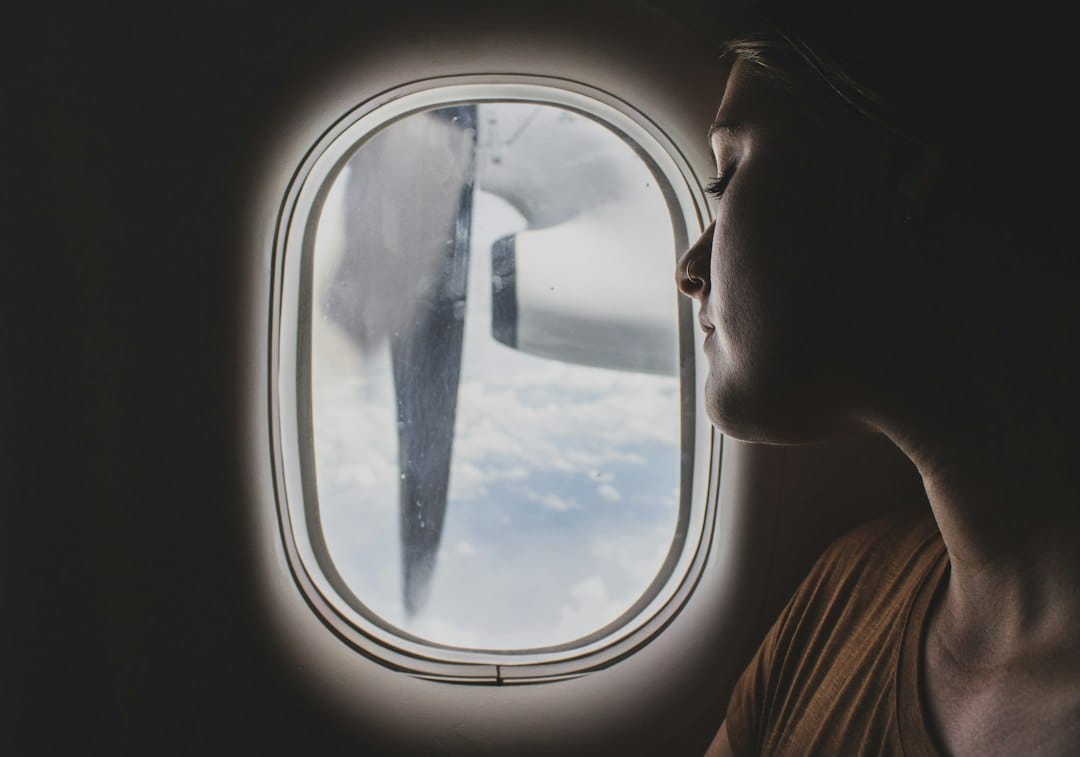
An aircraft cabin is close to a worst-case sleep environment. You have constant engine drone, galley clatter, seatback screens glowing in every direction, dry recycled air, temperatures that swing from stuffy to chilly, and an upright posture your neck was never designed to hold for hours. Add meal service, turbulence announcements and a neighbour who needs the aisle, and it's no wonder most people only manage light, broken sleep.
The smartest way to build a sleep kit is to think in problems, not products. Light gets solved by an eye mask. Noise is handled by earplugs or noise-cancelling headphones. Posture calls for a pillow that actually supports your head, while temperature means layers you can add or strip off. Dryness and circulation are tackled with water, moisturiser and compression socks. Every item worth packing fixes one of these, and anything that doesn't is probably a gimmick.
There's also a timing problem. Overnight flights often depart in the evening and land in the morning, sometimes across several time zones. The goal isn't simply to rack up as many hours of shut-eye as possible. It's to sleep during what will be night at your destination, so you land aligned with local time rather than fighting it for days.
The Core Sleep Kit: Essentials Worth Packing
The Core Sleep Kit: Essentials Worth Packing
Core sleep kit items ranked by the problem each solves, space efficiency, and priority for overnight flights.
| Item | Problem Solved | Space Needed | Priority |
|---|---|---|---|
| Contoured Eye Mask | Light & screens | Minimal | Essential |
| Supportive Travel Pillow | Head & neck support | Small to medium | Essential |
| Noise-Cancelling Headphones or Earplugs | Engine noise & chatter | Minimal to small | Essential |
| Compression Socks | Circulation & swelling | Minimal | Recommended |
| Refillable Water Bottle | Hydration & dryness | Small when empty | Recommended |
| Lip Balm, Moisturiser & Eye Drops | Comfort & minor irritation | Minimal | Optional |
Illustrative figures — composed for shape, not sourced
These are the non-negotiables, the items that cover the biggest sleep disruptors for the least space. Most fit into a single small pouch, which matters when you're travelling carry-on only and every litre counts.
Contoured Eye Mask
Skip the flat airline freebie and choose a contoured mask with moulded eye cups. Because nothing presses on your eyelids, you can blink comfortably and won't wake up with smudged vision, and the deeper seal blocks reading lights and screens far more effectively. Look for an adjustable strap that won't snag your hair or slide off when you lean against the window.
Supportive Travel Pillow
The classic U-shaped pillow often pushes your head forward instead of holding it. Wraparound or chin-supporting designs keep your head from dropping, which is what usually jolts you awake. Inflatable versions pack down to almost nothing, while memory foam is more comfortable but bulkier, so choose based on how tight your bag is.
Noise-Cancelling Headphones or Foam Earplugs
Active noise cancellation is excellent at erasing low, constant engine hum, and doubles as your work headset on landing. If you sleep on your side, over-ear models can be awkward, so slim earbuds or simple foam earplugs may suit you better. Carrying both gives you a fallback when your headphone battery runs flat mid-flight.
Compression Socks
Sitting still for hours can leave your legs swollen and restless, which makes settling down harder. Graduated compression socks support circulation and help you step off the plane without puffy ankles. If you have any circulatory or medical concerns, check with a doctor about the right compression level before you fly.
Refillable Water Bottle
Cabin air is notoriously dry, and dehydration leaves you groggy and headachy on arrival. Bring an empty bottle through security, fill it airside, and keep it within reach so you aren't waiting on the trolley or pressing the call button. A collapsible bottle saves space once you've landed.
Lip Balm, Moisturiser and Eye Drops
Small comforts matter when you're trying to drift off, and cracked lips or itchy eyes are surprisingly effective at keeping you awake. A travel-sized balm, a light moisturiser and lubricating eye drops all fit into a liquids bag. Contact lens wearers should switch to glasses before settling in.
Keep the whole kit in a single pouch inside your personal item, not your overhead bag. If you're still choosing a setup that keeps essentials accessible, our guide to the best luggage for long-term travel covers bags with smart quick-access pockets.
Enjoying this? Get more like it.
Weekly picks for remote workers and digital nomads — tools, destinations, and honest takes, straight to your inbox.
Subscribe free →Comfort Upgrades: Layers, Clothing and Circulation
What you wear on board is part of your sleep kit. Loose, breathable clothing with a soft waistband is the baseline, because anything that digs in becomes impossible to ignore a few hours in. Joggers, a soft t-shirt and a zip-up hoodie make a reliable formula that still looks presentable when you walk into a co-working space straight from arrivals.
Cabin temperature is unpredictable, so layering beats one heavy jumper. A lightweight merino or fleece layer packs small, regulates temperature well and resists odour on long journeys. Many travellers also carry a packable scarf or travel blanket, since airline blankets are thin and not always offered in economy. A hood pulled up over an eye mask adds an extra cocoon of darkness and privacy.
Your feet deserve attention too. Slip-on shoes make security and mid-flight bathroom trips easier, and a pair of cosy socks over your compression socks keeps cold toes from waking you. If legroom is tight, an inflatable footrest or a hammock-style rest that hooks over the tray table can raise your legs slightly, easing pressure on your lower back and helping you settle into a more reclined position.
A Simple Overnight Flight Sleep Routine
Gear only gets you halfway, and a routine does the rest. The day before departure, try nudging your bedtime toward your destination's time zone, even by an hour, and get some movement in so you're physically tired. At the airport, eat a light meal, go easy on caffeine from the afternoon onward, and drink water steadily rather than all at once just before boarding.
Once on board, set your watch and phone to destination time and act accordingly. If it's already late at night where you're heading, consider skipping the meal service and going straight into sleep mode. Put on your layers, socks and mask, pop in earplugs, and fasten your seatbelt visibly over your blanket so cabin crew don't need to wake you during turbulence checks. Some travellers ask about sleep aids such as melatonin, so speak to a doctor or pharmacist before trying anything new, particularly alongside other medication.
Plan your wake-up as carefully as your sleep. Aim to surface about an hour before landing so you can hydrate, freshen up with a face wipe and toothbrush, and shake off the grogginess before immigration. Once you land, get outside into daylight as soon as you can. Natural light is one of the strongest signals for resetting your body clock, and it makes resisting a mid-morning nap much easier.
Common Mistakes That Ruin Overnight Flight Sleep
Common Mistakes That Ruin Overnight Flight Sleep
Five overnight flight sleep mistakes and the practical fixes that prevent them.
Relying on alcohol to fall asleep
CostFragments sleep and increases dehydration, waking you worse.
FixStick to water or herbal tea instead.
Packing sleep kit in overhead bin
CostYou cannot reach it once lights dim without waking others.
FixKeep essentials in a pouch inside your personal item.
Testing new gear for the first time in-flight
CostPillow angles or mask straps pinch after take-off.
FixTry everything at home, sitting upright for an hour first.
Overstuffing the bag under the seat ahead
CostYou lose the legroom you need to shift position and rest.
FixKeep under-seat bag compact so you can move freely.
Watching bright screens or working before landing
CostScreens and content keep your brain alert and block sleep onset.
FixUse downloaded podcasts or films dimmed low, then set a cut-off.
IllustrativeAdvice from the post above. No figures shown.
The most common mistake is relying on a drink or two to knock you out. Alcohol may make you drowsy at first, but it tends to fragment sleep and adds to dehydration, so you wake feeling worse. Stick to water or herbal tea instead. A close second is packing your sleep kit in the overhead bin, then realising you'd have to wake the whole row to reach it once the lights go down.
Another frequent misstep is testing new gear for the first time at cruising altitude. A pillow that looked great online might push your head at an awkward angle, and an eye mask strap might pinch after twenty minutes. Try everything at home first, ideally sitting upright on a sofa for an hour, so you know what works before it really matters. Likewise, avoid overstuffing the bag under the seat in front of you, because it steals the legroom you need to shift position.
Finally, resist the in-flight entertainment rabbit hole and the urge to clear your inbox before landing. Bright screens and stimulating content keep your brain alert well past the point you meant to switch off. If you need something to wind down with, choose a downloaded podcast, ambient sounds or a familiar film with the brightness turned all the way down, and set a cut-off time for work.
Seat Choice and Booking Tips for Better Rest
Your seat can make or break the night before you even open your sleep kit. A window seat gives you a wall to lean against and means nobody climbs over you, which is ideal if your main goal is sleep. Aisle seats suit people who need frequent trips to stretch, but expect to be woken whenever your neighbours need to move. Try to avoid rows near galleys and lavatories, where foot traffic, light and noise peak throughout the night.
Bulkhead and exit rows offer extra legroom but come with trade-offs. Bulkheads are often where bassinets are fitted, armrests may not lift, and exit rows can run cooler and sometimes don't recline. Check a seat map tool before you book, and on budget carriers weigh up whether paying for a seat selection is worth it for a long overnight leg. If you're chasing deals on long-haul routes, our roundup of the cheapest Asian countries to fly to right now is a good place to start.
Flexible remote workers have one more advantage, which is timing. Choose departures that line up with your natural bedtime where possible, rather than very early evening flights that leave you wide awake for hours. Keep an eye out for empty-row opportunities on less busy days, and if a premium economy upgrade is offered at a reasonable price for a key overnight leg, the extra recline and space can pay for itself in a productive first workday.
Sleeping well on an overnight flight comes down to removing the obstacles one by one. Block the light, quiet the noise, support your head, stay warm and hydrated, and time your sleep to your destination rather than your departure. None of these items is expensive or bulky on its own, but together they transform how you feel when the wheels touch down.
Build your kit, test it at home, and refine it after every trip. Rest is part of sustainable nomad life, not an optional extra, so if long travel days tend to drain you, our guide to mastering digital nomad burnout has more ways to protect your energy between destinations.
FAQ
what should I pack in my overnight flight sleep kit
A core sleep kit should include a contoured eye mask, a supportive travel pillow, noise-cancelling headphones or foam earplugs, compression socks, a refillable water bottle, and travel-sized lip balm, moisturiser and eye drops. These items address the main sleep disruptors like light, noise, poor posture, circulation issues and cabin dryness, and fit into a single small pouch you can keep in your personal item.
why is sleeping on a plane so difficult
Aircraft cabins present multiple sleep challenges including constant engine noise, dry recycled air, unpredictable temperatures, an upright posture your neck wasn't designed to hold, glowing seatback screens, galley activity and meal service interruptions. The best approach is to solve these problems one at a time with specific items rather than relying on luck.
which seat position is best for sleeping on overnight flights
A window seat is ideal for sleep because it gives you a wall to lean against and means nobody climbs over you during the flight. You should avoid seats near galleys and lavatories where there's more foot traffic, light and noise throughout the night, and be cautious about bulkhead and exit rows which may have limited recline or other restrictions.
what common mistakes should I avoid for flight sleep
Avoid drinking alcohol to help you sleep, as it fragments sleep and increases dehydration. Don't pack your sleep kit in the overhead bin where you can't reach it, and never test new gear for the first time at cruising altitude. Also resist the urge to use in-flight entertainment or catch up on work emails, as bright screens keep your brain alert when you should be winding down.
Sources
Illustrative, composed for shape rather than sourced: Common Mistakes That Ruin Overnight Flight Sleep; The Core Sleep Kit: Essentials Worth Packing. Updated 10 Oct 2026.