Best Travel Hacks to Save Time and Money
Short answer
The best travel hacks to save time and money are travelling carry-on only within the strictest airline limit, booking flexible dates with fare alerts, using no-foreign-fee cards and eSIMs, staying longer in each place for monthly rates, and building simple routines for airports and arrivals so every transit day costs less effort and less cash.
There is a particular kind of quiet that settles over an airport gate at dawn. The cleaners finish their last sweep, the coffee kiosk rattles up its shutter, and the people who arrive early enough to see it tend to fall into two groups. Some are wrestling oversized bags and printed confirmations, already a little frayed at the edges. Others stroll up with a single pack over one shoulder and a boarding pass glowing on their phone, looking as though they have all the time in the world. The difference between them is rarely luck, and it is rarely money. It is a handful of small, repeatable habits.
For remote workers and long-term travellers, those habits matter far more than they do for the occasional holidaymaker. When you are moving every few weeks or months, a forgotten fee or a wasted afternoon does not happen once. It happens again and again, compounding quietly across a year on the road. A checked-bag charge here, a poor exchange rate there, a two-hour taxi queue that eats into a client call. None of it is dramatic on its own. Together, it can be the difference between a life of travel that feels sustainable and one that keeps you anxious about the next transfer.
What follows is not a collection of gimmicks or loopholes that vanish the moment someone writes about them. These are the durable hacks, the ones experienced travellers keep returning to because they keep working: packing with precision, booking with patience, handling money and connectivity with intention, slowing your pace, and sidestepping the quiet mistakes that drain both your calendar and your bank account.
Pack Once, Fly Anywhere: The Carry-On Advantage
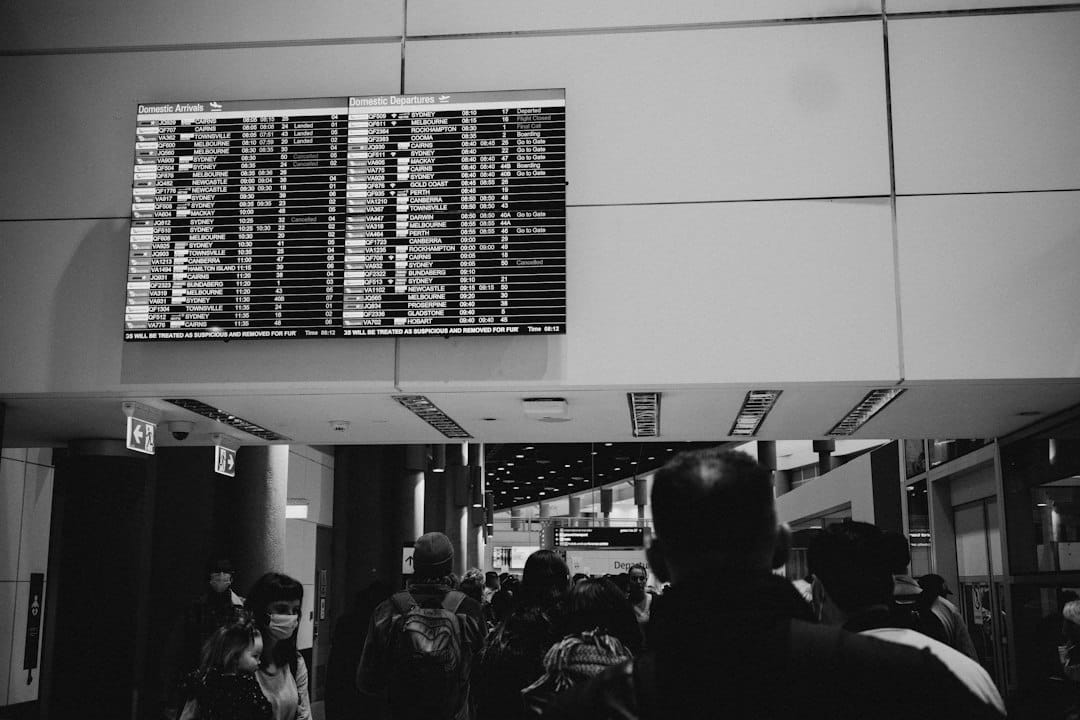
Picture the arrivals hall after a long flight. Half the passengers are clustered around a silent carousel, watching the same lone suitcase circle past for the fourth time. You, meanwhile, are already through the doors, breathing in warm evening air that smells of jasmine and diesel, flagging down the airport train before the first checked bag has even appeared. Travelling carry-on only is the single most powerful time-saving habit there is. It removes the check-in queue, the baggage wait, the risk of lost luggage and, on many fares, a fee that would otherwise repeat on every single flight you take.
The catch is that there is no true industry standard for what counts as a carry-on. Limits are usually expressed in linear inches, which simply means the length, width and height of your bag added together. They vary between airlines, and a difference of a few inches sounds trivial until a gate agent at a budget airline points at the sizing frame and your bag refuses to slide in.
The fix is beautifully simple: pack to the strictest limit you are likely to encounter, not the most generous. A bag that fits the tightest sizing frame will board almost anywhere, which frees you to grab whichever fare is cheapest without rereading the fine print every time. Packing cubes keep the interior disciplined, a soft-sided bag gives a little when a frame is tight, and wearing your heaviest shoes and jacket on travel days keeps the load manageable. Always double-check weight allowances too, because some airlines are as strict about kilograms as they are about centimetres.
Book Flights With Patience, Not Panic
Flight booking workflow
A step-by-step routine for finding and booking the cheapest flight that still gets you there rested.
- Search flexible dates
Open calendar view and let prices guide when you travelFirst
- Set fare alerts
Stop refreshing; let the system watch for price dropsWhile waiting
- Compare total cost
Add seat, bag, meals to base fare before choosing
- Check time cost
Weigh layover hours and arrival time against money savedBefore booking
- Book the rested option
Choose connections and times that get you there readyFinal
IllustrativeA summary of the steps described above, not a measured schedule.
The cheapest flights tend to reward people who are willing to bend a little. Instead of searching for one fixed date between two fixed cities, open the calendar or month view on a flight search tool and let the prices tell you when to go. Shifting a departure by a day or two, or flying into a secondary airport an hour down the coast, can transform the fare. Then set price alerts for the routes you care about and step away. There is a certain calm in letting an alert do the watching while you get on with your work, rather than refreshing a booking page at midnight.
Budget carriers deserve a special kind of attention. Their headline fares can be astonishingly low, but the real number only emerges once you add a seat, a bag, a meal or a priority boarding slot. The habit that saves money here is comparing total cost, not base fare. A slightly pricier full-service ticket that includes luggage can come out cheaper than a bargain fare loaded with extras. If your travels centre on one region, it pays to know which carriers are genuinely good value; our guide to the best budget airlines in Asia is a useful place to start.
Budget fare or full-service ticket?
Why this section says to compare the total cost, not the headline price.
- Headline fareBudget fare
- Luggage includedFull-service
- Total cost with extrasLeans Full-service
IllustrativeLeans by judgement, not measured. No figures shown.
Time has a price too, and remote workers feel it more sharply than most. A fare that saves a modest sum but adds a fourteen-hour overnight layover may cost you a full day of focused work and another day of recovery. When you compare options, weigh the hours alongside the money. Choose connections long enough to absorb a delay but short enough to keep your energy intact, favour departure times that leave you arriving in daylight, and be wary of self-connecting between separate tickets unless you have generous buffer time. The best booking is the one that gets you there rested and ready, not just cheaply.
Enjoying this? Get more like it.
Weekly picks for remote workers and digital nomads — tools, destinations, and honest takes, straight to your inbox.
Subscribe free →Money and Connectivity That Travel With You
You are standing at a café counter in a city you landed in that morning, the espresso machine hissing behind the barista, and the card terminal asks whether you would like to pay in your home currency or the local one. It seems like a helpful offer. It almost never is. Choosing your home currency usually triggers dynamic currency conversion, which quietly folds a less favourable rate into the price. Always pay in the local currency, and carry at least one card that charges no foreign transaction fees. Over months of daily coffees, groceries and rent payments, that one decision adds up to real money.
Cash still matters in many places, from night markets to rural guesthouses, so approach ATMs with a plan. Withdraw larger amounts less often to reduce per-transaction charges, favour machines attached to established banks over standalone units in tourist areas, and decline any conversion offer that appears on screen. Keep a backup card stored separately from your main wallet, ideally on a different payment network, so a swallowed card or a frozen account becomes an inconvenience rather than a crisis. A few minutes setting up travel notifications and app-based card controls before you leave can save hours on the phone with your bank later.
Paying abroad without losing money
The card and cash habits this section recommends.
Cards and terminals
Cash and ATMs
IllustrativeA checklist of the advice above. Ticks are not saved. No figures shown.
Connectivity is the other currency of remote life. Installing an eSIM before you board means you step off the plane already online, able to order a ride, message your host and check in with a client while everyone else hunts for airport Wi-Fi. It is one of those hacks that saves both time and money at once, since you skip the arrivals-hall kiosk and its premium pricing. If you are weighing up providers, our Nomad SIM card review breaks down whether it is worth the switch. Download offline maps and save copies of key documents too, so a dead signal never leaves you stranded.
Slow Down and Watch the Costs Fall
There is a moment, usually around the second week in a new place, when the city stops being a destination and starts being a neighbourhood. The woman at the fruit stall begins setting aside the ripest mangoes before you ask. You know which bakery opens first and which street stays shaded in the afternoon. That moment is lovely, and it is also financially significant. Many apartments, guesthouses and co-living spaces offer weekly or monthly rates that are dramatically lower than their nightly prices, and hosts are often open to negotiation for longer stays, especially outside peak season.
Staying longer also means fewer transit days, and every transit day carries hidden costs: flights or trains, airport transfers, the overpriced meal grabbed between connections, the lost work hours, the fatigue that lingers afterwards. Cut the number of moves in a year and those costs shrink with them, while your energy and focus quietly return. Choosing affordable bases makes the effect even stronger, and our roundup of slow travel cities for digital nomads on a budget highlights places where a longer stay stretches your money furthest.
Where a longer stay saves money
The savings this section names, and where each one comes from.
Weekly or monthly rates
ForOften far lower than nightly prices, and hosts may negotiate.
Fewer transit days
ForFewer transfers, overpriced meals, lost work hours and lingering fatigue.
Markets and home cooking
ForCheaper than shopping at tourist-strip supermarkets.
A monthly transit pass
ForReplaces paying per ride.
A coworking membership
ForReplaces a string of day passes.
IllustrativeThe post's own grouping, not an official classification. No figures shown.
Once you have settled in, local routines become their own money-saving engine. Shopping at markets rather than tourist-strip supermarkets, cooking a few meals a week, buying a monthly transit pass instead of paying per ride, and choosing a coworking membership over a string of day passes all lower your daily spend without making life feel any smaller. If anything, it feels richer. You trade the constant novelty of arrival for the slower pleasure of belonging somewhere, even temporarily, and your budget is grateful for every unhurried morning.
The Quiet Mistakes That Drain Time and Money
Travel mistakes and fixes
Common travel mistakes and what experienced travellers do instead to save time and money.
Assume all airlines follow same bag rules
CostA gate agent charges a fee for an oversized carry-on.
FixCheck the specific airline's limits before every flight.
Overpack just in case
CostExtra layers and shoes push you into checked luggage.
FixPack for one week and plan to do laundry.
Book non-refundable accommodation far ahead
CostUncertain plans mean costly cancellations and changes.
FixUse flexible rates when your dates might shift.
Arrive late with no transport plan
CostInflated taxi fares and frazzled first hours drain cash.
FixLook up reliable train, bus or rideshare options beforehand.
IllustrativeAdvice from the post above. No figures shown.
Some of the most expensive travel mistakes are also the most ordinary. Assuming every airline follows the same bag rules is a classic, and the gap between carriers is real enough to cost you a fee at the gate. Instead, check the specific airline's limits before every flight. Overpacking just in case is another: the extra layers and spare shoes you never wear push you into checked luggage and slow you down at every turn. Pack for one week and plan to do laundry. Booking non-refundable accommodation far ahead of uncertain plans can also lock you into costly changes; when your dates might shift, a flexible rate is often the cheaper choice overall.
Arrival is where many budgets quietly unravel. Landing late at night with no plan almost guarantees an inflated taxi fare and a frazzled first hour. Before you fly, look up how to reach your accommodation, whether there is a reliable train, bus or rideshare option, and roughly what it should cost. Screenshot your booking confirmations, address and entry documents so they are available offline. Check visa and entry requirements well in advance as well, because a missing form or an expired passport can turn a cheap flight into an expensive rebooking.
Finally, beware the trap of over-optimising. It is easy to spend three evenings hunting for the absolute cheapest route, only to save a sum that would have been earned back in an hour of paid work. The goal of travel hacking is not to win every single fare; it is to build a system that saves you money by default and gives you back time. Set your rules, such as carry-on only, flexible dates, local currency and longer stays, then trust them. Constant micro-decisions are their own form of exhaustion, and protecting your energy is part of protecting your budget.
Chasing every fare, or travelling by rules
The system this guide recommends instead of over-optimising.
BeforeThree evenings hunting the cheapest route
AfterRules set once, then trusted
BeforeA saving an hour of paid work would earn back
AfterSavings by default, and time given back
BeforeConstant micro-decisions
AfterCarry-on only, flexible dates, local currency, longer stays
IllustrativeA comparison in words. No figures shown.
The travellers who glide through airports at dawn are not following secret tricks. They have simply turned a handful of good decisions into habits: a bag that fits the strictest frame, flights booked with patience and an eye on total cost, cards and connectivity that work the moment the wheels touch down, and a pace slow enough to let monthly rates and local routines do the heavy lifting. Each habit saves a little. Stacked together over a year of movement, they save a great deal of both money and time.
Start with one or two of these on your next trip. Measure your bag, set a fare alert, switch the terminal to local currency. Notice how much lighter the journey feels when the small frictions fall away. Then add another habit, and another, until saving time and money stops being something you think about and becomes simply the way you travel.
FAQ
how do I avoid dynamic currency conversion fees when traveling
Always choose to pay in the local currency rather than your home currency at card terminals, as choosing your home currency usually triggers dynamic currency conversion with less favorable rates. Carry at least one card with no foreign transaction fees to minimize charges on everyday purchases.
how can I save money by staying longer in one place
Many accommodations offer dramatically lower weekly or monthly rates compared to nightly prices, and hosts are often open to negotiation for longer stays. Staying longer also reduces transit costs like flights, transfers, and lost work time, while allowing you to discover local routines like shopping at markets and buying monthly transit passes that further lower daily expenses.
what should I check before arriving in a new city
Before you fly, research how to reach your accommodation and roughly what the cost should be, whether by train, bus, or rideshare. Screenshot your booking confirmations, address, and entry documents offline, and check visa and entry requirements well in advance to avoid costly rebooking due to missing documents or an expired passport.
Sources
Illustrative, composed for shape rather than sourced: Book Flights With Patience, Not Panic; The Quiet Mistakes That Drain Time and Money. Updated 14 Oct 2026.