Foods and Drinks to Avoid Before Flight
Short answer
Before a flight, avoid alcohol, excess caffeine, fizzy drinks, salty or greasy fast food, spicy dishes, and gas-producing foods like beans, cruciferous vegetables and sugar-free sweets. Skip raw shellfish and unfamiliar street food too. Instead, eat a light meal of lean protein, complex carbs and water-rich produce, and drink plenty of water.
Some regret only reveals itself somewhere over the ocean. The seatbelt sign is on, the cabin lights have dimmed to a soft amber, and the burrito you wolfed down at the gate is staging a quiet rebellion. Your waistband feels a size smaller, your mouth is parched, and the person in the window seat will soon need to get past you. Nobody plans for this moment, yet it is one of the most common ways a perfectly good flight turns into an endurance test.
For remote workers and slow travellers, the stakes go beyond comfort. You might be landing straight into a client call, checking into a new apartment in an unfamiliar city, or trying to get a few productive hours out of the flight itself. What you eat and drink before boarding shapes how you sleep in the air, how clearly you think on arrival, and how quickly your body adjusts to a new time zone.
The good news is that a smoother flight rarely requires a strict diet. It mostly comes down to understanding what happens to your body at altitude and making a few thoughtful swaps at the airport food court. Here is what to leave off the tray, why it matters, and what to reach for instead.
Why Your Body Behaves Differently at Altitude
Commercial aircraft cabins are pressurised, but not to sea level. The pressure inside is closer to what you would feel in a mountain town, so the air around you is thinner than the air in the terminal you just left. A healthy body copes with this easily, but a few things change. Gas trapped in your digestive system expands as pressure drops. That is why a slightly full stomach on the ground can feel uncomfortably tight an hour after take-off.
The air is also remarkably dry. Cabin humidity is far lower than in most homes or offices, and you lose moisture steadily through your skin and breath just by sitting there. Add long periods of stillness, cramped legs and the disrupted rhythm of crossing time zones, and your body is already working harder than usual to keep its balance.
Even your sense of taste shifts. Dry air, low pressure and constant engine noise dull your perception of salt and sweetness, which is one reason airline meals are often seasoned more heavily than you would expect. Once you understand these quirks, the logic behind the avoid list is simple. Anything that adds gas, pulls water out of you or slows digestion gets amplified once the wheels leave the tarmac.
Gassy Foods and Fizzy Drinks: The Bloat Brigade
If there is one category to take seriously, it is foods that produce gas. Beans, lentils and chickpeas are wonderful everyday staples, but they ferment in the gut and release gas that has nowhere comfortable to go at altitude. Cruciferous vegetables such as broccoli, cabbage, cauliflower and Brussels sprouts behave the same way, as do onions and garlic in large quantities. Save that hearty bean chilli or cauliflower curry for your first dinner after landing.
Sugar-free sweets and chewing gum are a sneakier culprit. Many are sweetened with sugar alcohols such as sorbitol, xylitol and maltitol. Your body absorbs these poorly, and they are well known for causing bloating and wind. Chewing gum also makes you swallow extra air, so a long chew during take-off to pop your ears can leave you feeling puffier than you expected.
Then there are fizzy drinks. Sparkling water, soda, tonic and beer all deliver a dose of carbon dioxide straight into your stomach, and those bubbles expand along with everything else. A small glass is unlikely to ruin your journey. A large cola at the gate followed by another from the drinks trolley is an easy recipe for discomfort, though. Still water hydrates you without the pressure.
Enjoying this? Get more like it.
Weekly picks for remote workers and digital nomads — tools, destinations, and honest takes, straight to your inbox.
Subscribe free →Alcohol, Coffee and the Dehydration Trap
Alcohol, Coffee and the Dehydration Trap
How alcohol, coffee, energy drinks, still water and herbal tea rank by their impact on hydration, sleep and stomach comfort before a flight.
HelpsHydrates without disrupting sleep or digestionNeutralMinor impact or mixed effects depending on timingHarmsDehydrates, fragments sleep or unsettles the stomach
- Energy drinksHarms
- AlcoholHarms
- CoffeeNeutral
- Still waterHelps
- Herbal tea (peppermint, chamomile, ginger)Helps
IllustrativeSorted by judgement, not measured. No figures shown.
The pre-flight drink at the airport bar feels almost ceremonial, a little toast to the adventure ahead. Unfortunately, alcohol is one of the least helpful things you can take on board. It is a diuretic, so it pushes your body to shed fluid in an environment that is already drying you out. It also fragments sleep. Even if a glass of wine helps you nod off, the rest you get tends to be shallow and broken. At altitude your blood carries slightly less oxygen, and many people find that alcohol hits harder and leaves a heavier fog on arrival.
Coffee is a more nuanced case. A single cup before an early departure is fine for most people, and its dehydrating effect is milder than its reputation suggests. The real problems are timing and volume. Caffeine lingers in your system for hours, so a large flat white before an overnight flight can keep you wired just when you need to sleep. Heavy doses can also unsettle a sensitive stomach. Strong black tea and energy drinks fall into the same category, and energy drinks usually add a load of sugar and fizz.
The best drink before and during a flight is plain still water, sipped steadily rather than gulped in one go. Caffeine-free herbal teas such as peppermint, chamomile or ginger are a gentle alternative that hydrates without disrupting sleep, and peppermint and ginger have a long reputation for settling the stomach. For the full picture of habits that sabotage a long journey, this guide to what not to do before a long-haul flight covers sleep, clothing and timing as well as food.
Salty, Greasy and Spicy: Airport Food Court Pitfalls
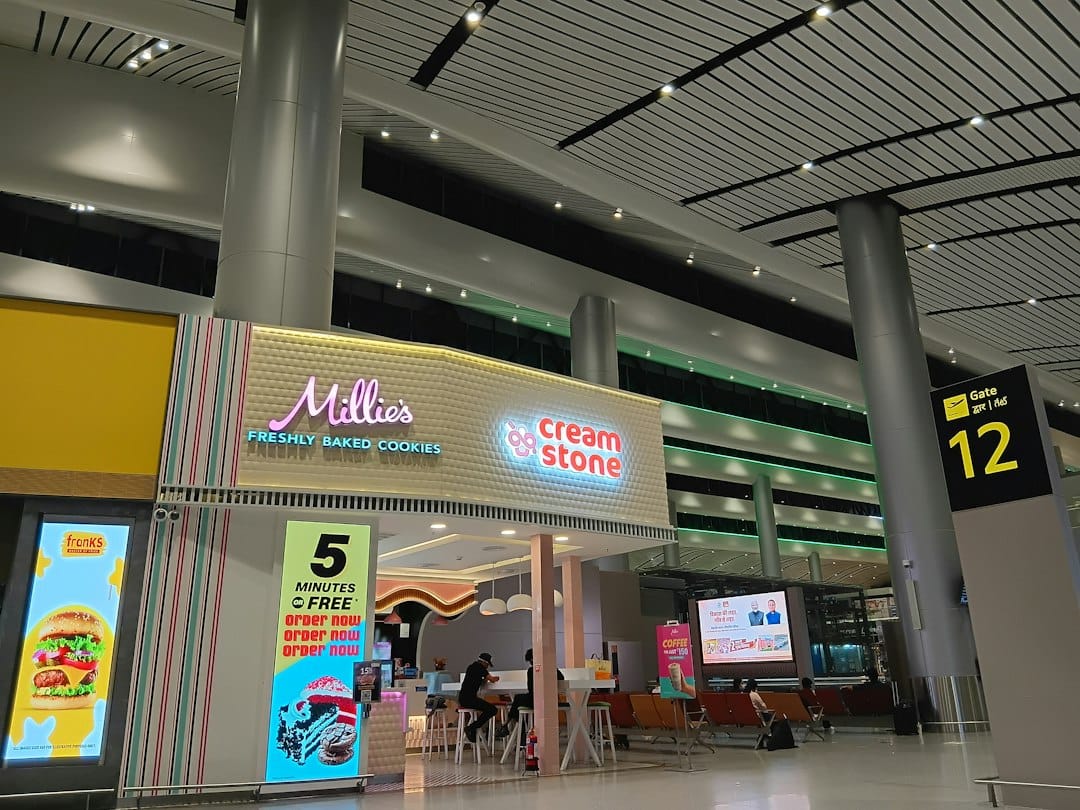
Airports are designed to tempt you with exactly the wrong things. Burgers, fries, pizza slices and pretzels are fast, filling and familiar, which makes them the default choice when you are tired and short on time. They are also loaded with salt, which makes your body hold on to water. Combine that with hours of sitting still and you get swollen ankles and puffy fingers by the time you land. Crisps, salted nuts and cured meats from the newsagent count too, even if they feel like light snacks.
Greasy and fried foods cause a different problem. Fat slows digestion, so a heavy, oily meal sits in your stomach for longer, just as your body is dealing with lower pressure and limited movement. For many people this shows up as sluggishness, nausea or heartburn, especially if they recline soon after eating. A full English breakfast before an early flight might feel like a treat, but it can make the first few hours of the journey surprisingly uncomfortable.
Salty, Greasy and Spicy: Airport Food Court Pitfalls
Airports are designed to tempt you with exactly the wrong things.
Illustrative figures — composed for shape, not sourced
Spicy dishes deserve a mention too, especially if you are prone to acid reflux. Chilli-heavy curries, hot wings and fiery sauces can trigger heartburn that is hard to escape when you are wedged upright in a narrow seat with nowhere to walk it off. If you love spice, save the vindaloo for your destination, where you can enjoy it properly and sleep it off in your own bed.
Risky Bites and Cabin Courtesy
Some foods are worth avoiding because of what could happen if they disagree with you, regardless of altitude. Raw shellfish such as oysters, sushi from an uncertain source, rare meat, and anything that has sat in a warm display cabinet for a while all carry a higher risk of food poisoning. Being ill in a hotel room is miserable. Being ill in an aisle seat, with a queue for the only toilet, is far worse.
The same goes for the street food stall near your accommodation on departure day. Part of the joy of slow travel is eating the way locals eat, and there is no reason to give that up. Just schedule your more adventurous meals for days when you are staying put, so your stomach can adjust to new ingredients without a flight in the mix.
Finally, think about the people around you. Strongly scented foods such as boiled eggs, tuna, durian or garlicky leftovers can fill a cabin in seconds, and there is no window to open. Reconsider nut-heavy snacks too, since some airlines ask passengers to avoid them when someone on board has a severe allergy. And if you are crossing a border, remember that many countries restrict fresh fruit, meat and dairy, so a carefully packed apple may end up in an airport bin anyway.
A Simple Pre-Flight Eating Timeline
Good flight eating starts earlier than most people think. The day before you fly, keep meals balanced and familiar, drink water more consistently, and go easy on alcohol, especially before an early or overnight flight. This is also the time to skip bean-heavy dishes and rich takeaways, because gas-producing foods can keep working on you for many hours after you eat them.
Eat your main pre-flight meal around three to four hours before departure. That gives your body time to start digesting before you sit still for a long stretch. Choose something moderate in size, built around lean protein and complex carbohydrates: grilled chicken or tofu with rice, an omelette with wholegrain toast, or a bowl of porridge with fruit. Once you reach the gate, switch to light snacks if you are hungry, refill your water bottle, and skip the large coffee if you hope to sleep.
On board, keep sipping water, take small portions rather than every course, and rely on the snacks you packed yourself. If you plan to work in the air, steady hydration and a light meal will do far more for your focus than another coffee. This guide on whether you can work remotely on a flight has more on making that time productive. If you have lounge access, you can often find simpler, fresher options than the food court, so check what free food is included in Priority Pass lounges before you go.
What to Eat Instead: Smart Swaps
Avoiding the wrong foods is only half the picture. The other half is a small, reliable toolkit of things that make you feel good in the air. Water-rich fruits and vegetables are the stars here. Cucumber, watermelon, oranges, berries and grapes all help with hydration and are easy on the stomach. Bananas make a particularly good travel companion, with gentle carbohydrates, potassium and their own packaging.
For straightforward swaps, think in pairs. Instead of a burger and fries, choose a grilled chicken or egg salad wrap. Instead of salted crisps, pack rice cakes, oatcakes or unsalted nuts if allergy rules allow. Swap the cola for still water, the airport beer for ginger or peppermint tea, and the sugar-free gum for crystallised ginger or a regular boiled sweet to help with ear pressure. Trade the bean chilli for a simple rice bowl, and the pastry for plain yogurt or overnight oats.
None of this needs to be rigid. One bag of crisps will not ruin a journey, and a celebratory glass of fizz before a long-awaited trip is part of the fun. The aim is simply to stack the odds in your favour, so the combined effect of salt, fat, bubbles and alcohol does not catch up with you somewhere over the Atlantic.
Flying asks a lot of your body: thinner air, dry cabins, hours of stillness and often a jump across time zones. What you eat and drink beforehand can either add to that load or quietly lighten it. Skip the beans, bubbles and booze, go easy on salt, grease and spice, save risky bites for days on the ground, and drink more water than feels necessary.
Do that, and you give yourself the best chance of stepping off the plane feeling like yourself. You will be ready to find your new neighbourhood café, open the laptop, or simply walk out into the afternoon light of a city you are about to call home for a while. The burrito can wait. It will taste better on solid ground anyway.
FAQ
why does food affect you differently on a plane
Commercial aircraft cabins are pressurized to a lower pressure than sea level, which causes gas in your digestive system to expand. The cabin air is also very dry, causing you to lose moisture through your skin and breath. These conditions mean that gas-producing foods, dehydrating drinks, and slow-to-digest meals all become amplified once the plane takes off.
what foods cause bloating on flights
Beans, lentils, cruciferous vegetables like broccoli and cabbage, onions, and garlic all ferment in the gut and produce gas that expands at altitude. Sugar-free sweets and chewing gum sweetened with sugar alcohols like sorbitol and xylitol also cause bloating and gas. Fizzy drinks including sparkling water, soda, and beer deliver carbon dioxide that expands along with everything else in your stomach.
is it okay to drink alcohol before flying
Alcohol is a diuretic that pushes your body to shed fluid in an already dry cabin environment, and it fragments your sleep, making rest shallow and broken. Alcohol also tends to hit harder at altitude and can leave a heavier fog on arrival, making it one of the least helpful things to consume before boarding.
what should you eat before a flight
Your main pre-flight meal should be eaten three to four hours before departure and built around lean protein and complex carbohydrates, such as grilled chicken or tofu with rice, an omelette with wholegrain toast, or porridge with fruit. Water-rich fruits and vegetables like cucumber, watermelon, oranges, berries, and grapes are excellent for hydration, and bananas make particularly good travel companions.
Sources
Illustrative, composed for shape rather than sourced: Alcohol, Coffee and the Dehydration Trap. Updated 3 Nov 2026.