Things to Avoid in Chiang Mai
Chiang Mai has been a darling of the digital nomad world for over a decade, and for good reason. The food is spectacular, the cost of living is gentle on the wallet, the coworking scene punches well above the city's size, and the temples-in-the-mist aesthetic never gets old. But here's the thing nobody puts in the glossy Instagram captions: Chiang Mai is a place you can get very wrong if you don't know what you're walking into.
Most guides tell you where to go. This one tells you where not to — the neighbourhoods that quietly drain your productivity, the visa mistakes that end trips early, the seasonal trap that catches nearly every first-timer, and the tourist rituals that eat your baht for nothing. Consider this the honest debrief you'd get from someone who actually stayed longer than a two-week holiday.
None of this is meant to scare you off. Chiang Mai remains one of the best value bases on the planet for location-independent work. But avoiding the wrong choices is half the battle — do that, and the city rewards you with one of the smoothest remote-work setups in Southeast Asia.
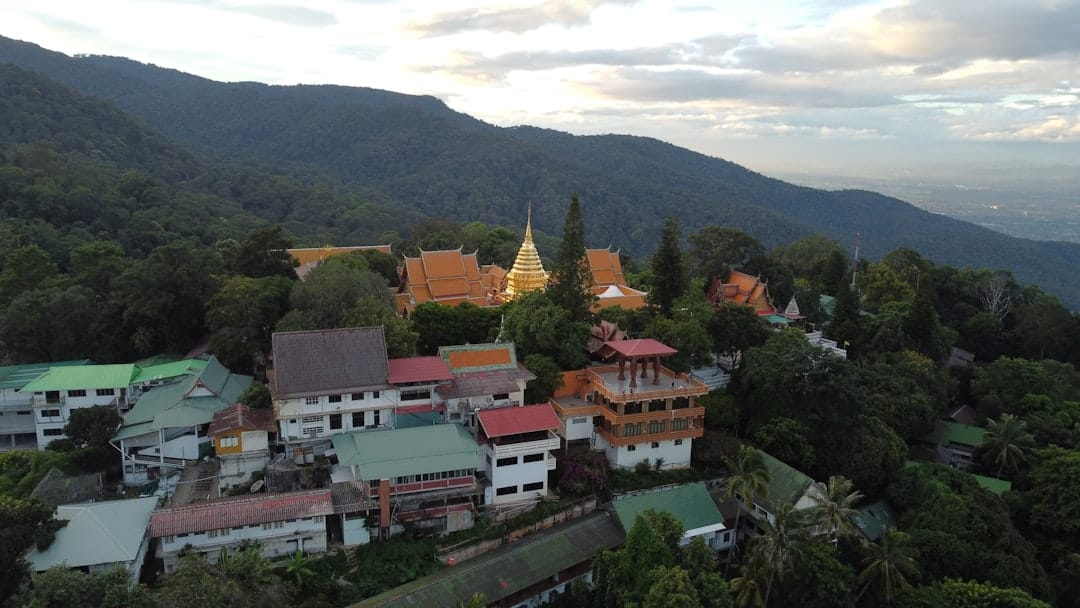
Don't Come During Burning Season
If you take away one thing from this entire post, make it this: avoid Chiang Mai between roughly mid-February and mid-April. This is "burning season", when farmers across northern Thailand and neighbouring countries clear land by fire, and the whole valley fills with smoke. The air quality index routinely spikes into the hazardous red and purple zones — numbers you'd normally associate with an industrial disaster, not a lifestyle destination.
The mistake people make is booking a three-month stay starting in January without checking the calendar, then finding themselves trapped indoors by March with a sore throat and a headache that never quite lifts. Coffee shops with open-air terraces — the ones you came for — become unusable. Your daily walk, your evening runs, your rooftop coworking sessions all get cancelled by the sky itself.
The best months are November through January — cool, dry, clear, and genuinely pleasant. If your dates land in burning season and you can't move them, either pick a different base entirely or budget for a serious air purifier and an apartment you can seal up. Frankly, though, the smarter move is to plan around it. There are plenty of slow travel cities that stay breathable year-round if your timing clashes.
Don't Wing the Visa Situation
Don't Wing the Visa Situation
Common visa options for remote workers in Thailand, comparing duration, renewal process, and cost implications.
| Visa Type | Tourist Visa | Ed Visa | Non-Imm B |
|---|---|---|---|
| Duration | 60 days | 1 year | 1 year |
| Renewal | Border run required | In-country extension | In-country extension |
| Application Cost | Free | $200–300 | $150–250 |
| Documentation | Passport only | School enrollment required | Work permit application |
| Best for Remote Workers | Short stays | Long-term, flexible | Formal employment |
Illustrative figures — composed for shape, not sourced
The single fastest way to turn a dream stay into a stressful mess is to misunderstand Thai visa rules. The classic error is arriving on a visa exemption (a stamp on arrival) assuming you can just "border run" indefinitely. Immigration has tightened up on repeated back-to-back runs, and getting turned away at a land border with all your belongings is not the memory you want.
If you're planning to stay for months rather than weeks, sort out a proper tourist visa before you arrive, or look into the longer-stay options that Thailand has rolled out for remote workers and higher earners. Rules change often, so check the official Thai embassy site for your nationality shortly before booking — don't rely on a forum post from three years ago. And do the boring admin: know your permitted stay length, note your extension deadline, and don't overstay. Overstay fines are charged per day and can bar you from re-entry.
This kind of logistics headache is exactly why easing into the lifestyle deliberately pays off. If Chiang Mai is your first real base, it's worth reading up on how to transition from a 9-to-5 into a nomad routine so the visa, banking, and income pieces are locked down before you land rather than improvised on a hostel Wi-Fi connection.
Enjoying this? Get more like it.
Weekly picks for remote workers and digital nomads — tools, destinations, and honest takes, straight to your inbox.
Subscribe free →Don't Rely on Café Wi-Fi Alone for Work
Chiang Mai's café culture is legendary, and it's tempting to imagine hopping between pretty coffee shops all day getting work done. Reality check: many cafés have inconsistent Wi-Fi, limited plugs, awkward seating, and — increasingly — polite time limits during busy hours. Trying to run client calls or upload heavy files from a corner table with a laptop balanced on your knees is a recipe for missed deadlines.
This is where the best coworking Chiang Mai has to offer earns its keep. The city's coworking scene is one of its genuine competitive advantages — reliable fibre internet, air-conditioned focus rooms, standing desks, meeting pods for calls, and a built-in community of other remote workers. Areas like Nimmanhaemin and Santitham are packed with quality spaces, and monthly memberships cost a fraction of what you'd pay in Europe or North America. Don't be the person who saves twenty dollars a month on a membership and then loses a client because the café router died mid-presentation.
A smart hybrid works best: use cafés for shallow, creative work and a coworking membership for deep focus and anything involving video. If you move around a lot, a flexible arrangement makes even more sense — this is where a coworking pass that gives access across multiple spaces beats being locked into a single location. And always carry a backup: a local SIM with a generous data plan turns your phone into a hotspot when everything else fails.
Don't Fall for Tourist Traps and Overpriced Extras
Chiang Mai is cheap, but that doesn't mean you can switch your brain off. A few things quietly overcharge newcomers. Tuk-tuks and red songthaews will happily quote inflated prices to anyone who looks fresh off the plane — learn the standard local fares and use ride-hailing apps to sanity-check them. Renting a scooter without an international driving permit and proper insurance is another common trap; the up-front cost feels trivial until you have an accident or get stopped and fined.
Then there are the ethically dubious attractions. Skip the tiger selfie parks and any elephant "riding" experiences — they're expensive, and the animal welfare record ranges from questionable to grim. If you want to see elephants, choose a genuine sanctuary that doesn't allow riding. Similarly, be wary of the aggressive gem, tailoring, and "special temple closed today" scams that occasionally target tourists near the Old City. If a friendly stranger's suggestion ends with you in a shop, walk away.
On the flip side, don't over-economise on the things that actually matter for a long stay: a comfortable apartment with reliable air-con, good coffee, and quality food from the markets. Chiang Mai's night markets and local canteens deliver world-class meals for a couple of dollars — this is where being cheap is genuinely a superpower. Spend on your workspace and your sleep; save everywhere else.
Don't Burn Out Chasing the Nomad Social Scene
Here's a subtler trap that catches experienced travellers, not just first-timers. Chiang Mai has such a dense, active nomad community that there's a meetup, mastermind, networking dinner, or Sunday market crawl every single night. It's wonderful for the first few weeks. Then you realise you haven't done deep work in ten days, your sleep is wrecked, and your income is quietly sliding while your social calendar overflows.
The community is a feature, not an obligation. You don't have to attend everything. Pick two or three recurring events that genuinely energise you or generate real connections, and protect your working hours ruthlessly the rest of the time. The people who thrive here long-term treat Chiang Mai like a base for building something, not a permanent holiday. Guarding your routine is what keeps nomad burnout from creeping up on you three months in.
There's also a reverse mistake: isolating yourself completely. Some people arrive, work in their apartment all day, and leave two months later having spoken to almost no one. That's a waste of one of Chiang Mai's biggest assets. The sweet spot is a rhythm — consistent focused work, a couple of anchor social events, weekend exploring, and enough downtime that you're not fried. Find that balance and the city becomes genuinely restorative rather than either draining or lonely.
Chiang Mai deserves its reputation. It's affordable, beautiful, well set up for remote work, and endlessly rewarding once you settle into a rhythm. But the difference between a great stay and a frustrating one usually comes down to avoiding a handful of predictable mistakes: don't arrive during burning season, don't gamble on your visa, don't run your business off flaky café Wi-Fi, don't get fleeced on transport and tourist gimmicks, and don't let the party scene quietly derail your work and your health.
Get those things right and you'll understand why so many remote workers keep coming back year after year. Plan the timing, sort the paperwork, book a solid coworking membership, eat at the markets, and give yourself the balance to actually enjoy it. Do that, and Chiang Mai will treat you well.