Where to Stay in Lisbon for Remote Work
Lisbon has quietly become one of Europe's most reliable bases for remote work, and it's easy to see why. You get 300-ish days of sunshine, a time zone that plays nicely with both London and the US East Coast, coworking spaces on nearly every hill, and a cost of living that — while no longer the bargain it was in 2018 — still undercuts most of Western Europe. But here's the thing nobody tells you before you book: where you stay in Lisbon matters more than almost any other city you'll work from.
That's because Lisbon is a city of neighbourhoods with wildly different personalities, and the wrong one can quietly sabotage your productivity. Pick the cobblestone-postcard tourist zone and you'll pay a premium to be woken by rolling suitcases at 6am. Pick somewhere too far out and you'll spend your evenings on a tram that stops running before you're done for the day. The good news: once you know how the map actually works, choosing becomes simple.
This guide breaks down the best Lisbon digital nomad neighbourhoods for actually getting work done — not just for the Instagram grid. We'll cover what each area is genuinely like to live in, what you'll pay, where to plug in your laptop, and the mistakes that cost first-timers a month of regret. Let's find your base.
What to Know Before You Pick a Neighbourhood
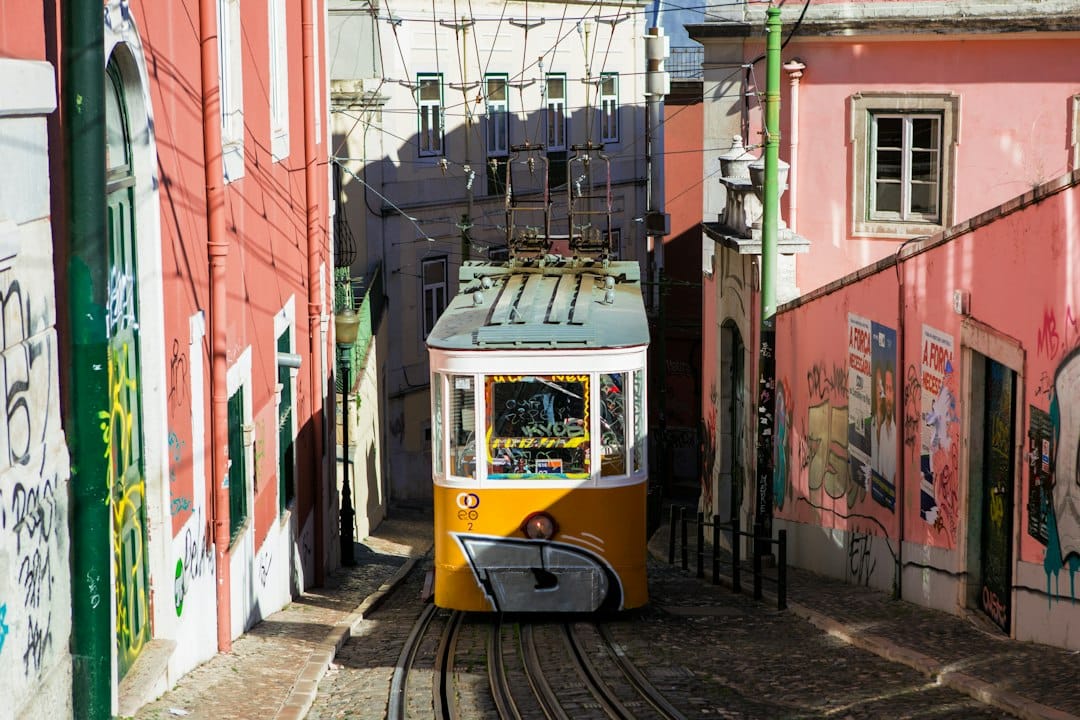
First, understand the geography, because it dictates everything. Lisbon is built on seven hills, and "a 15-minute walk" on Google Maps can mean a lung-busting vertical climb that leaves you sweaty before a video call. If you have knees that complain or a suitcase to haul, this is not a minor detail. The flat, walkable core sits around Baixa and Avenida da Liberdade; the charming-but-steep zones are Alfama, Graça, and parts of Bairro Alto. Factor the hills into your decision the way you'd factor commute time anywhere else.
Second, the internet is genuinely good. Fibre is widespread, most modern apartments advertise 100–500 Mbps, and coworking spaces run business-grade connections. Still, if remote work is your livelihood, always ask the host for a screenshot of a recent speed test before booking a longer stay — older buildings in Alfama and Mouraria can be the exception. A local eSIM as backup is worth every cent; our guide on the cheapest ways to use your phone abroad covers the options that actually save money.
Third, check the actual work setup before you commit. Listing photos rarely show whether there is a real desk, a chair you can sit in for eight hours, or a window that does not open onto a tram line. Ask the host directly: is there a dedicated work surface, how loud is the street at 9am, and is there late-night bar noise below the building? A beautiful apartment you cannot concentrate in serves you worse than a plain one that works.
The Best Lisbon Neighbourhoods for Remote Work
The Best Lisbon Neighbourhoods for Remote Work
Feature and amenity comparison across five key Lisbon neighbourhoods for remote workers.
| Neighbourhood | WiFi Density | Cafés & Co-work | Transport Access |
|---|---|---|---|
| Príncipe Real | Excellent | Abundant | All zones |
| Alcântara | Good | Growing | Limited |
| Belém | Good | Moderate | Zone 1 |
| Parque das Nações | Excellent | Abundant | All zones |
| Marvila | Emerging | Few options | Zone 2 |
Illustrative figures — composed for shape, not sourced
Príncipe Real is the sweet spot for a lot of remote workers, and it's the one worth the splurge. It sits on a plateau above the chaos — leafy, calm, with independent cafés, wine bars, and design shops that feel made for laptop afternoons. You're a walkable stroll from Bairro Alto's nightlife when you want it, but you sleep in peace when you don't. It's not cheap, and it can feel a touch polished, but if productivity plus quality of life is your goal, start here.
Cais do Sodré and neighbouring Santos have become the default nomad zones for good reason. You're right on the river, close to the fast transport line out to the beaches at Cascais, and surrounded by coworking spaces, third-wave coffee, and an established international community. It buzzes at night around Pink Street, so if you're a light sleeper, aim a few blocks back from the noise. For daytime work and easy socialising with other remote workers, it's hard to beat.
Alcântara and the LX Factory area are the underrated pick. This former industrial district has been reborn as a hub of studios, cafés, and coworking, sitting just under the 25 de Abril Bridge. Rents are a notch below the centre, the vibe is creative and unpretentious, and you're minutes from both the river and the train line. Meanwhile, Graça and Alfama deliver the fairy-tale Lisbon of tiled facades and viewpoints — gorgeous, but steep, touristy, and better for a short romantic stay than a working month.
Enjoying this? Get more like it.
Weekly picks for remote workers and digital nomads — tools, destinations, and honest takes, straight to your inbox.
Subscribe free →Where You'll Actually Work Near Your Stay
Wherever you land, check what working options sit within a ten-minute walk before you book. Cais do Sodré, Santos and Alcântara are dense with desk space and laptop-friendly cafés; quieter residential pockets and the older hillside districts thin out fast. The question is not whether Lisbon has somewhere to work — it does — but whether your street does.
If community and convenience matter more than a private lease, co-living is Lisbon's quiet superpower. Spaces like Outsite, Selina, and various independent nomad houses bundle furnished rooms, fast wifi, coworking areas, and a built-in social calendar into one monthly price. It's the fastest way to land somewhere new and immediately know people. We've rounded up standout options in our guide to the top co-living spaces for affordable digital nomad housing, and much of it applies directly to Lisbon.
Don't sleep on café working either, because Lisbon does it well. Copenhagen Coffee Lab, Fábrica, and Dear Breakfast are laptop-friendly for a morning of focused work, though it's polite to order regularly and clear out during the lunch rush. The rhythm here — a slow café morning, a coworking afternoon, a sunset walk — is exactly the kind of sustainable pace that keeps you from burning out, something we dig into in our piece on mastering digital nomad burnout.
Common Mistakes to Avoid
The biggest one: booking in Baixa or the Chiado tourist core because it looks central. It is central — centrally loud, centrally expensive, and centrally packed with rolling suitcases at dawn. Great for a two-night visit, exhausting for a working month. Locals and long-stay nomads live one ridge over, in the quieter residential pockets, and you should too. Avoid anywhere within earshot of a tram terminus or a nightlife strip unless a white-noise machine is already in your bag.
The second mistake is underestimating the hills and overestimating your patience for them. That charming Alfama apartment with the tiled entrance may involve 80 steps and no lift, which turns grocery runs and grumpy-Monday commutes into a workout you didn't sign up for. If you're staying more than a couple of weeks, prioritise flat access or a genuine metro connection over the prettiest facade.
Finally, don't book your whole stay in one place before you've felt the neighbourhood out. Lisbon rewards a week of trial in a co-living or short Airbnb before you commit to a monthly lease elsewhere. And don't confuse a great holiday with a great work base — the two require different things. If you're still building toward the lifestyle itself, our guide on how to transition from a 9-to-5 to a digital nomad lifestyle is a smart place to start before you book flights.
Matching the Neighbourhood to Your Working Style
Matching the Neighbourhood to Your Working Style
Neighbourhood recommendations matched to remote worker profiles and priorities.
| Worker Profile | Best Fit | Runner-Up | Key Advantage |
|---|---|---|---|
| Social Nomads | Príncipe Real | Parque das Nações | Vibrant scene |
| Budget Conscious | Marvila | Belém | Lowest rent |
| Focus First | Belém | Alcântara | Quieter zones |
| Tech/Startup | Parque das Nações | Príncipe Real | Modern infrastructure |
Illustrative figures — composed for shape, not sourced
If you thrive on quiet focus and want a calm base to do deep work, choose Príncipe Real or the residential streets of Estrela and Campo de Ourique. These are leafy, local, and low on tourist churn — you'll have great cafés, parks for breaks, and neighbours who actually live there year-round. Campo de Ourique in particular is a favourite among long-stay remote workers precisely because it feels like a real Lisbon village while being minutes from the action.
If your work runs on energy, collaboration, and after-hours socialising, base yourself in Cais do Sodré, Santos, or Alcântara. You'll be surrounded by coworking, meetups, and other nomads, and you can walk from a productive afternoon straight into a riverside sunset drink. This is also the crowd where casual partnerships form — the kind of loose, mutually useful working relationships we explore in micro collaborations.
And if beach access is non-negotiable, position yourself near the Cais do Sodré line so you can be on the sand at Carcavelos or in Cascais within 30–40 minutes. Plenty of remote workers split the difference and live out in Cascais itself — quieter, breezier, and surf-adjacent, at the cost of a commute into the city for evening events. There's no single right answer; there's only the setup that matches how you actually spend your days.
The short version: Lisbon is one of the best cities in Europe to work remotely, but the neighbourhood you choose will shape your entire experience of it. Prioritise Príncipe Real, Cais do Sodré, Santos, or Alcântara for the best balance of connectivity, community, and calm — and treat the postcard-perfect but steep, tourist-heavy zones as places to visit rather than live.
Book a short trial stay first, test the wifi before you commit, factor in the hills, and let your working rhythm — not just the view — guide the decision. Get that right, and Lisbon delivers something rare: a city where the work day is easy and the off-hours are unforgettable.