Why Georgia Attracts Digital Nomads
Short answer
Georgia attracts digital nomads because many passport holders can stay visa-free for up to a year, living costs in Tbilisi sit well below Western Europe, internet is fast and reliable, and a low-tax regime for small businesses exists. Add world-class food, ancient wine traditions and dramatic mountains a few hours away, and it's hard to beat.
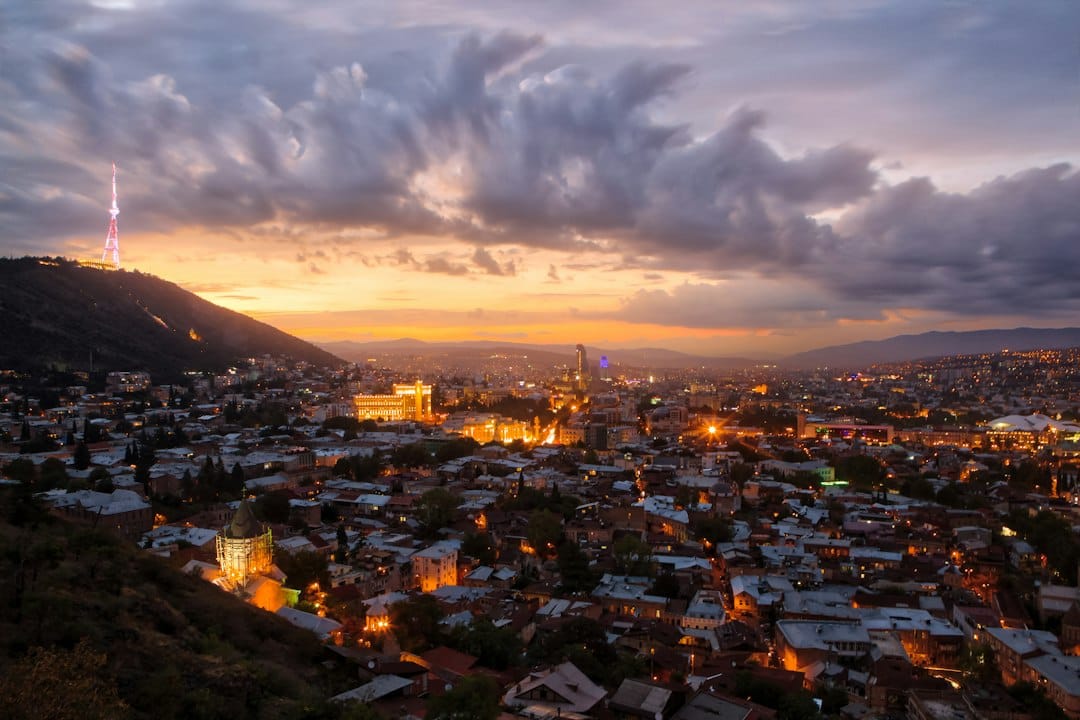
Georgia has a way of quietly upending travel plans. People arrive for a week of khachapuri and wine tasting, then find themselves signing a three-month lease on a Tbilisi apartment with a wrought-iron balcony and a view over the old town's tumbledown rooftops. It happens often enough that the expat community has a running joke about it: nobody plans to stay in Georgia, they just forget to leave.
The appeal isn't one single thing. It's the combination: a visa policy that lets many nationalities stay for a full year without paperwork, prices that make Western Europe look overpriced, internet that genuinely works, and a food and wine culture that would justify the trip on its own. Sitting at the crossroads of Europe and Asia, the country also has a character you won't find anywhere else — part Soviet relic, part ancient Christian kingdom, part buzzing creative hub.
This guide breaks down why Georgia keeps pulling in remote workers, where to base yourself, what daily life actually looks like, and the practical realities worth knowing before you book a one-way ticket to Tbilisi.
The Visa Situation Is Absurdly Generous
Start with the headline perk, because it's the reason many people look at Georgia in the first place. Citizens of a long list of countries — including EU member states, the UK, the US, Canada and Australia — can enter Georgia visa-free and stay for up to 365 days. Not 90 days in a rolling 180-day window, as in the Schengen Area. A full year, stamped on arrival, with no application required. Always double-check the current rules for your specific passport on the official Georgian government portal before travelling, since policies can change.
For nomads who have spent years doing Schengen maths on the back of a napkin, this is liberating. You can settle in, sign a longer lease, join a gym, build actual friendships and stop treating every city as a sprint. It also makes Georgia a natural pressure valve: when your European days are running low, Tbilisi is a short flight from most major hubs and lets the clock reset while you keep working without interruption.
The Visa Situation Is Absurdly Generous
For many passports, Georgia is a full year visa-free, with no application.
Illustrative figures — composed for shape, not sourced
The year-long stay nudges the rhythm of nomad life in a healthier direction, too. Slow travel isn't just cheaper; it's kinder on your energy levels and your work quality. If constant relocation has ever left you running on fumes, it's worth reading up on how to manage digital nomad burnout — and Georgia is one of the best places in the region to put that advice into practice.
Tbilisi Neighbourhoods: Where to Actually Live
Tbilisi is where most nomads land, and for good reason — it has the deepest coworking scene, the biggest expat community and the most going on after hours. But the city sprawls along the Mtkvari river, and where you live shapes your experience far more than it does in many capitals.
Vera and Sololaki are the obvious picks for first-timers who want character. Expect crumbling Art Nouveau facades, leafy streets, specialty coffee shops on every other corner and easy walks to the old town. The trade-off is hills — serious ones — and older buildings where heating, plumbing and noise insulation can be hit and miss. Ask specifically about heating before you sign anything for the winter months. Chugureti, around Marjanishvili and the Fabrika complex, is the creative heart of the city: bars, street art, a younger crowd and a strong social scene for solo travellers who want to meet people fast.
Vake is the polished option — quieter, greener, close to Vake Park, with newer apartments, better gyms and pricier restaurants. It suits couples, families and anyone who values sleep over nightlife. Saburtalo is more residential and practical, popular for good-value modern flats near metro stations, though it lacks the charm. Don't commit to a long lease sight unseen: book two weeks somewhere central, walk the neighbourhoods, then decide. If you'd rather land somewhere with a built-in community, our guide to affordable co-living spaces for digital nomads is a useful starting point.
Tbilisi Neighbourhoods: Where to Actually Live
Where you live in Tbilisi shapes your stay; walk the neighbourhoods before a long lease.
Illustrative figures — composed for shape, not sourced
Enjoying this? Get more like it.
Weekly picks for remote workers and digital nomads — tools, destinations, and honest takes, straight to your inbox.
Subscribe free →Cost, Connectivity and Where to Work
Georgia's cost of living is a huge part of the draw. Rent, eating out, taxis and groceries all come in well below Western European levels, and a comfortable lifestyle in Tbilisi is achievable on a budget that would barely cover rent in Lisbon or Barcelona. That said, prices have climbed in recent years as demand has grown, particularly for well-located apartments, so don't rely on figures from blog posts written several years ago. For a detailed, up-to-date breakdown, see our guide to how much money you need to live in Tbilisi.
Internet is the quiet hero. Fibre is widespread in Tbilisi and Batumi, most modern apartments have connections that comfortably handle video calls, and local SIM cards from providers like Magti and Silknet are cheap with generous data allowances. Still, confirm speeds with your host before booking — ask for a screenshot of a speed test, which any decent host will happily send. Power cuts are rare but not unheard of in older buildings, so keeping a mobile hotspot ready as a backup is simply sensible.
The coworking scene is lively rather than enormous. Expect a mix of dedicated coworking spaces, hostel-cafe hybrids and a huge number of laptop-friendly cafes where nobody will glare at you for nursing a flat white for three hours. Many spaces run events, language exchanges and meetups, and that's where much of the nomad social life happens. If you're the type who needs a proper desk, an ergonomic chair and a quiet call booth, it's worth paying for a coworking membership — the cafe life is charming, but it's not built for back-to-back client calls.
Beyond Tbilisi: Batumi, Kutaisi and the Mountains
Beyond Tbilisi: Batumi, Kutaisi and the Mountains
Tbilisi, Batumi, Kutaisi and Georgia's mountain regions compared on atmosphere, best season, work setup and ideal visitor profile.
| Location | Vibe | Best Season | Work Setup |
|---|---|---|---|
| Tbilisi | Buzzing expat hub, coworking scene, nightlife | Spring, autumn | Fibre internet, dedicated coworking spaces, cafes |
| Batumi | Summer resort, casinos, beach boulevard | July and August | Fibre available, but seasonal tourism disrupts focus |
| Kutaisi | Quiet, slow-paced, access to canyons and caves | Year-round | A few working cafes, good for quiet focus |
| Mountains (Kazbegi, Gudauri, Svaneti) | Dramatic scenery, weekend escapes, hiking | Summer for hiking, winter for skiing | Patchy internet; treat as unplugged retreats |
Illustrative figures — composed for shape, not sourced
Tbilisi isn't the whole story. Batumi, on the Black Sea coast, is Georgia's summer playground — a slightly surreal mix of glass high-rises, casinos, a palm-lined boulevard and a pebbly beach. In July and August it's packed and buzzing; in winter it's damp, grey and half-shuttered. It's worth a month in summer if you want sea air and a swim after work, but few nomads choose it as a year-round base.
Kutaisi, Georgia's third city, is smaller, slower and cheaper, with a handful of cafes good enough for working and easy access to canyons, caves and monasteries across the Imereti region. Its airport is a hub for low-cost carriers, which often makes it the cheapest entry point from Europe. It suits people who want quiet focus far more than a busy social calendar.
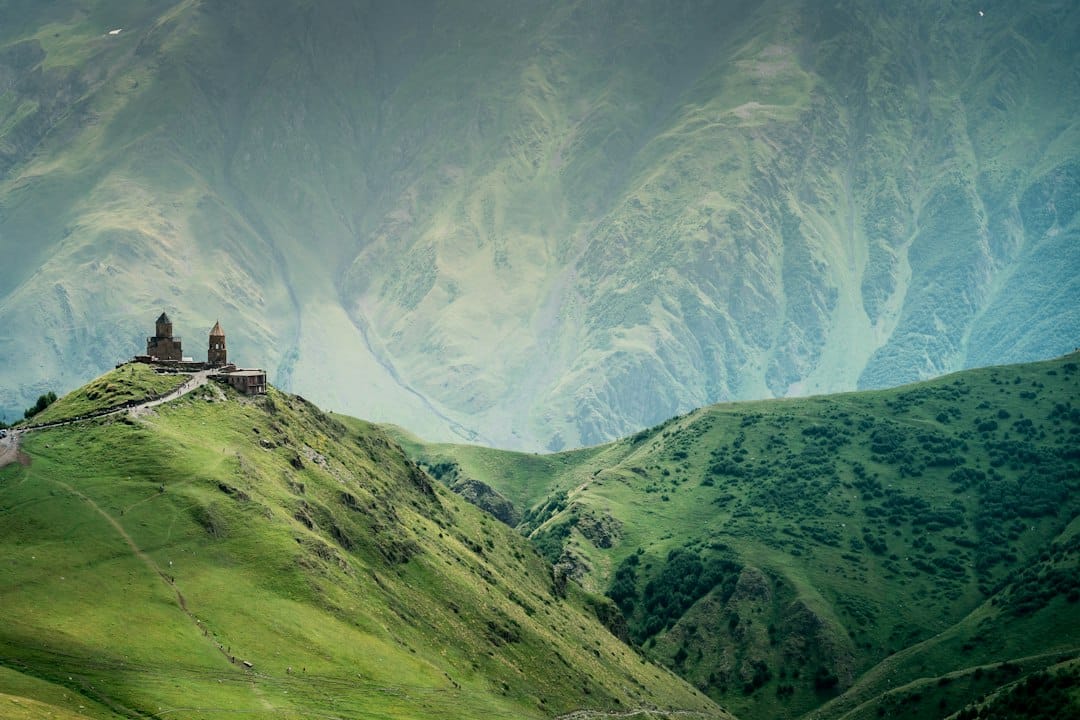
Then there are the mountains, which are frankly the country's secret weapon. Kazbegi, roughly three hours from Tbilisi along the Georgian Military Highway, is the classic weekend escape, with jaw-dropping views of Mount Kazbek and the hilltop Gergeti Trinity Church. Gudauri is a ski resort with surprisingly affordable passes in winter, and Svaneti, further afield, offers some of the most dramatic hiking in Europe in summer. Internet in remote villages can be patchy, so treat these as places to unplug rather than places to take client calls.
The Food, the Wine and the Supra Culture
Georgian food deserves every bit of its reputation. Khachapuri — cheese-stuffed bread, most famously the boat-shaped Adjarian version topped with an egg and a slab of butter — is a rite of passage. Khinkali, the soup-filled dumplings you eat by hand, are cheap enough to become a weekly habit. Then there's badrijani (aubergine rolls with walnut paste), lobio (slow-cooked bean stew), pkhali (vegetable and walnut pâtés) and churchkhela, the walnut-and-grape-juice sweet sold on street corners. Vegetarians eat surprisingly well here thanks to the walnut-heavy cuisine.
Wine is the other half of the story. Georgia has one of the oldest winemaking traditions in the world, and its method of fermenting wine in qvevri — large clay vessels buried underground — is recognised by UNESCO. Amber wines made this way are genuinely distinctive, and Tbilisi's wine bars are a great, low-commitment introduction. A weekend in Kakheti, the main wine region a couple of hours east of the capital, is absolutely worth the splurge: book a guesthouse attached to a family winery and let the hosts take care of the rest.
The Food, the Wine and the Supra Culture
Khinkali every week; save the splurge for a weekend in Kakheti.
Illustrative figures — composed for shape, not sourced
Hospitality is woven deep into the culture. If you're invited to a supra — a traditional feast led by a toastmaster called a tamada — say yes. Expect a long table, endless dishes and toasts to everything from family to peace to the people who came before. It's the kind of experience that turns a working stint into something you'll talk about for years. One friendly warning: homemade chacha, the local grape brandy, is far stronger than it tastes, so pace yourself if there's a deadline the next morning.
Money, Taxes and the Practical Realities
Georgia also has a reputation as a tax-friendly base. Its Individual Entrepreneur regime with Small Business Status has offered a 1% tax on qualifying turnover up to an annual threshold, which has made it popular with freelancers looking to formalise their setup. But it comes with conditions: not every type of activity qualifies, registering in Georgia doesn't automatically end your tax obligations elsewhere, and tax residency generally depends on how much time you actually spend in the country. Speak to a qualified accountant who understands both Georgian rules and your home country's before setting anything up.
Day to day, the currency is the Georgian lari. Cards are widely accepted in the cities, but keep some cash for markets, marshrutkas (shared minibuses) and rural guesthouses. Bolt is the go-to ride-hailing app in Tbilisi and Batumi and saves you haggling with taxi drivers, while the Tbilisi metro is cheap, functional and a fascinating slice of Soviet design. Learning a few words of Georgian — gamarjoba (hello) and madloba (thank you) — goes a long way. Russian is widely understood among older generations, and English is increasingly common among younger people and in the hospitality scene.
Money, Taxes and the Practical Realities
Cards work in the cities; carry lari cash for markets, minibuses and the countryside.
Illustrative figures — composed for shape, not sourced
It's also worth staying informed about the political climate. Tbilisi has seen large protests in recent years, mostly concentrated around Rustaveli Avenue and the parliament building. Daily life for visitors has largely carried on as normal, but check your government's travel advice, follow local news, and give demonstration areas a wide berth when tensions run high. Informed and flexible is the right mindset — and the year-long visa gives you plenty of room to adjust your plans if you need to.
Georgia attracts digital nomads because it gets the fundamentals right and then adds something extra. The year-long visa-free stay removes the admin, the costs leave room to breathe, the internet keeps your clients happy, and the food, wine and mountains make sure you actually enjoy the time away from the laptop. Few places manage to be this practical and this memorable at the same time.
If you're weighing up your next base, give Tbilisi at least a month. To compare it with other options, see our pick of the best cities for digital nomads. Book somewhere central for the first couple of weeks, explore the neighbourhoods on foot, take a weekend in the mountains or the wine country, say yes to every supra invitation — and see whether you end up forgetting to leave, too.
FAQ
how long can you stay in Georgia visa-free
Citizens of EU member states, the UK, the US, Canada, Australia and many other countries can enter Georgia visa-free and stay for up to 365 days with no application required, though you should always check current rules for your specific passport on the official Georgian government portal before travelling.
what is the best neighbourhood to live in Tbilisi
The best neighbourhood depends on your priorities: Vera and Sololaki offer character and walkability to the old town but have hills and older buildings; Chugureti is the creative hub with bars and a strong social scene; Vake is quieter and greener with modern amenities; and Saburtalo is more residential and practical. It's worth booking two weeks somewhere central first to explore the neighbourhoods before committing to a longer lease.
is internet in Georgia reliable for remote work
Fibre is widespread in Tbilisi and Batumi, with most modern apartments having connections suitable for video calls, and local providers like Magti and Silknet offer cheap service with generous data allowances. You should confirm speeds with your host before booking and keep a mobile hotspot ready as a backup, since power cuts are rare but not unheard of in older buildings.
how much does it cost to live in Georgia as a digital nomad
Georgia's cost of living is significantly below Western European levels, with rent, food, taxis and groceries all more affordable, allowing a comfortable lifestyle in Tbilisi on a budget that would barely cover rent in cities like Lisbon or Barcelona. However, prices have climbed in recent years as demand has grown, particularly for well-located apartments, so you should consult up-to-date guides rather than older blog posts for current figures.
Sources
Illustrative, composed for shape rather than sourced: Beyond Tbilisi: Batumi, Kutaisi and the Mountains. Updated 3 Nov 2026.