Cheapest Countries to Visit in Southeast Asia
There is a particular kind of freedom that comes with realising your monthly rent, your morning coffee, and your evening street-food feast might cost less than a single week back home. Southeast Asia has long held that promise for anyone chasing a life where the work travels with you and the savings pile up instead of draining away. The scent of lemongrass drifting from a roadside cart, the whir of a motorbike weaving through humid dusk, the flicker of temple candles at the edge of a rice paddy — these things are not luxuries reserved for a two-week holiday. Here, they can be the texture of your ordinary Tuesday.
But cheap is a slippery word. Ask ten travellers which country in the region offers the best value and you will get ten passionate, contradictory answers, each shaped by whether the speaker was chasing beaches, coworking cafes, visa flexibility, or simply the lowest possible number on a rented room. The truth is that affordability in Southeast Asia is less about a single ranking and more about matching a place to the way you actually live and work.
What follows is a slower, more honest look at the countries where your money stretches furthest — and, just as importantly, how to spend it well once you arrive. Think of this less as a leaderboard and more as an invitation to imagine where you might unpack for a month, a season, or longer.
What "Cheap" Actually Means for a Remote Worker
For the two-week tourist, cheap means the price of a bowl of noodles and a night in a hostel. For someone working remotely, the calculation is entirely different. You are not passing through; you are living. That changes everything. A place with rock-bottom accommodation but patchy internet and no reliable cafes to work from can end up costing you far more in lost productivity and frayed nerves than a slightly pricier city that simply works. The cheapest country is rarely the one with the lowest headline prices — it is the one where the sum of rent, food, connectivity, transport, and sanity lands lowest over a full month.
This is where it helps to think in monthly budgets rather than daily spends. Across much of Southeast Asia, a comfortable remote-work life sits somewhere between eight hundred and fifteen hundred dollars a month, depending on how much you value air conditioning, private space, and Western comforts. If you want a granular sense of how those numbers break down city by city, the living costs breakdown by region is worth studying before you commit to a plane ticket.
There is also a hidden cost worth naming: the temptation to keep moving. Frequent flights, deposits, and the mental toll of constantly resetting your life somewhere new can quietly erode the savings that drew you to the region in the first place. The travellers who spend the least are often the ones who stay the longest in a single place, negotiating monthly rates, learning where the locals eat, and letting a rhythm settle in.
The Countries That Stretch Your Money Furthest
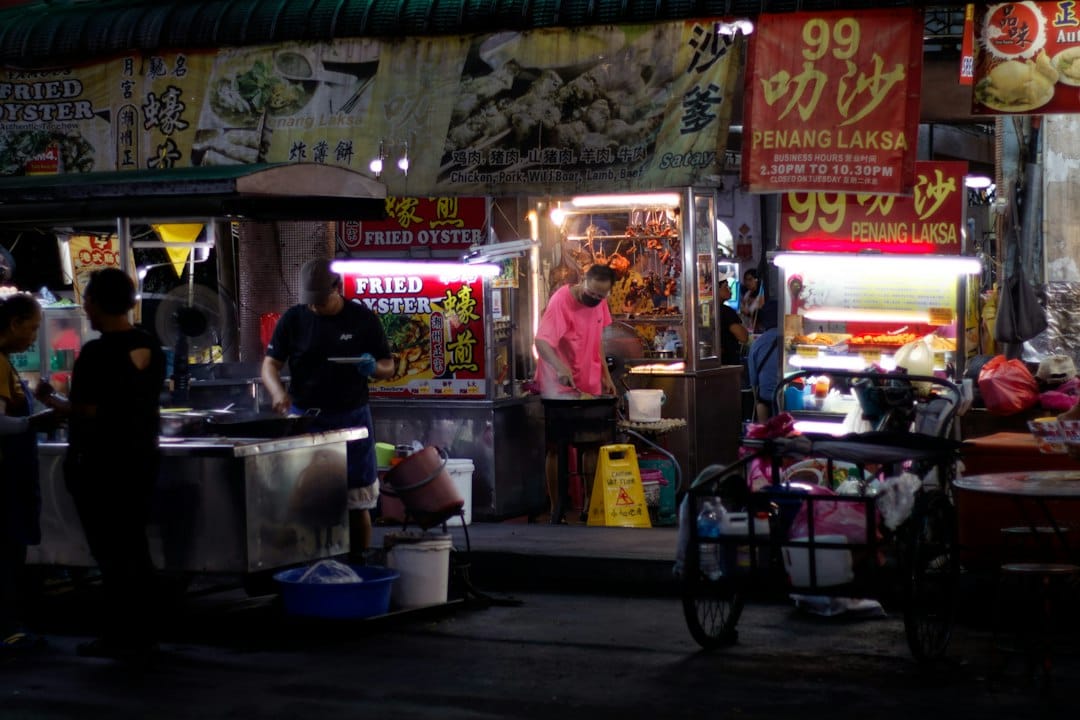
Vietnam remains the quiet champion of value. In Da Nang or Hoi An, you can rent a bright studio near the coast, eat two or three superb meals a day for the price of a takeaway coffee back home, and still have change left for weekend motorbike escapes into the hills. The coffee culture alone is worth the visit — thick, dark, sweetened with condensed milk and sipped slowly on plastic stools while the city hums past. Internet is fast and cheap, and the sheer density of affordable rooms keeps rental prices honest.
Thailand, and Chiang Mai in particular, is the region's beating heart for long-stay remote workers, and for good reason. The infrastructure is mature, the cafes practically hum with laptops, and the cost of a well-appointed life stays remarkably low outside the tourist-thick pockets of Bangkok and the islands. If you are drawn north, the guide to the best neighbourhoods for expats in Chiang Mai will save you weeks of trial and error. Cambodia and Laos round out the budget tier — quieter, rougher around the edges, and often astonishingly cheap for those willing to trade some convenience for authenticity and near-empty streets.
Indonesia deserves its own mention, and not only because of Bali. Yes, Canggu and Ubud have grown pricier as their reputations swelled, but venture toward Yogyakarta, Lombok, or the smaller Javanese cities and the numbers drop dramatically. Indonesia rewards the curious — the traveller willing to move a little off the well-worn nomad trail will find rooms, meals, and experiences at a fraction of the cost of the island's famous surf towns.
Enjoying this? Get more like it.
Weekly picks for remote workers and digital nomads — tools, destinations, and honest takes, straight to your inbox.
Subscribe free →
How to Keep Your Costs Genuinely Low
How to Keep Your Costs Genuinely Low
Comparison of three primary cost-reduction strategies for remote workers in Southeast Asia, showing typical savings, effort required, and best-suited traveller profiles.
| Strategy | Monthly Rent Savings | Effort Level | Best For |
|---|---|---|---|
| Negotiate Direct Rental | 30–50% discount | Medium | Month-long stays |
| Eat Street Food & Markets | 40–60% vs restaurants | Low | All travellers |
| Co-living Spaces | 20–35% vs private | Low | Community seekers |
Illustrative figures — composed for shape, not sourced
The single biggest lever you can pull is your accommodation strategy. Booking a month at a time through a listing site almost always costs more than showing up, staying a few nights, and negotiating a longer rate directly with the owner. Landlords across the region routinely offer discounts of thirty to fifty percent for a month-long commitment, and the room you find by walking the neighbourhood is often nicer and cheaper than anything advertised online. Co-living spaces are another route worth weighing, especially if community and built-in workspace matter to you — the roundup of affordable co-living spaces is a good starting point for comparing what your money buys.
Eat like a local, and not just to save money — though you will. The best food in Southeast Asia rarely comes from restaurants with English menus and air conditioning. It comes from the cart with the longest queue of locals, the market stall where a grandmother has been perfecting one dish for decades, the tiny shopfront with three plastic tables. A month of eating this way costs a fraction of what you would spend chasing Western comfort food, and the meals themselves become one of the great pleasures of the day rather than an afterthought.
Getting there matters too. Flights within and into the region can swing wildly in price, and a little patience with fare tracking pays off handsomely. Setting up alerts and staying flexible on dates can shave hundreds off a single journey — the walkthrough on setting up cheap flight alerts is a small habit that compounds over a year of travel. Once on the ground, budget regional carriers and overnight buses make hopping between countries cheap enough that you never feel trapped in one place.
The Mistakes That Quietly Drain Your Budget
The most common error is moving too fast. There is a seductive fantasy of ticking off five countries in five weeks, but every move resets your costs — new deposits, new transport, new tourist-priced meals while you find your feet. The traveller who stays six weeks in one town spends far less per day than the one bouncing between four cities in the same period, and enjoys a richer, calmer experience for it. Slowness is not just soulful; it is frugal.
Another trap is underestimating the tourist premium. In popular areas, the same room, meal, or scooter rental can cost double what it does two streets away or in a town an hour down the road. Learning to spot when you are paying the visitor tax — and having the patience to walk away and ask elsewhere — is one of the most valuable skills you can develop. Pair it with a working grasp of local prices and a few phrases in the local language, and the everyday cost of living drops noticeably.
Finally, do not let cheapness cost you your wellbeing. The lure of squeezing your budget to the bone can push you into windowless rooms, exhausting overnight journeys, and a constant low hum of stress that no saving justifies. Burnout is real, and it arrives faster when every decision is filtered through the cheapest possible option. The ideas in this guide to managing digital nomad burnout are worth keeping close; a life that is sustainable will always beat one that is merely inexpensive.
Matching a Country to the Life You Want
Matching a Country to the Life You Want
Comparison of five Southeast Asian countries across key factors for remote workers: visa flexibility, cost level, community infrastructure, and suitability for long-term stays.
| Country | Visa Flexibility | Cost Level | Remote-Work Community |
|---|---|---|---|
| Thailand | Digital Nomad option | Mid-range | Well-established |
| Vietnam | Tourist visas only | Very low | Growing |
| Cambodia | Easy tourist entries | Very low | Emerging |
Illustrative figures — composed for shape, not sourced
If your priority is a ready-made community and frictionless remote-work infrastructure, Thailand is hard to beat — the cafes, coworking spaces, and long-stay ecosystem in Chiang Mai have been refined over more than a decade of nomad life. If you would rather stretch your money further and do not mind a rougher edge, Vietnam offers extraordinary value with a food culture that alone justifies the trip. Cambodia and Laos suit those chasing quiet and authenticity, while Indonesia rewards anyone willing to look beyond Bali's famous beaches toward its quieter islands and inland cities.
Visas are the practical thread running through all of it. Some countries make long stays effortless with generous tourist entries and emerging digital-nomad schemes; others require border runs or careful planning. Thailand, for instance, has been building out longer-term options for remote professionals, and understanding the paperwork before you arrive spares you a great deal of scrambling later. Factor the cost and hassle of staying legally into your comparison — a slightly pricier country with an easy long-stay visa can end up cheaper and calmer than a bargain destination that forces you onto a plane every thirty days.
Whichever you choose, resist the urge to treat the decision as permanent. One of the great gifts of this region is proximity — a short, cheap flight or an overnight bus separates most of these countries, so you can start in one, discover it does not suit your rhythm, and pivot without much loss. Let your first month be an experiment rather than a verdict.
The cheapest country in Southeast Asia, in the end, is the one where your money and your wellbeing stretch furthest together — where the rent is low, the food is a joy, the internet holds steady, and you find yourself in no hurry to leave. Chase the lowest number and you may save a few dollars while missing the point entirely. Chase the right fit, stay a while, and let the place teach you its rhythms, and you will find that living well and living cheaply are not opposites here. They are, more often than not, the same thing.
So pick a starting point, book the flight, and give yourself permission to arrive slowly. The plastic stool, the strong coffee, the warm night air — they are already waiting, and they cost far less than you think.