Where to Live for $500 a Month Worldwide
There is a particular thrill in the moment you realise your money stretches further than you ever thought possible. Imagine waking to the sound of roosters and distant mopeds, stepping onto a balcony where the air already carries the smell of frying garlic and morning coffee, and knowing that the entire month ahead — rent, food, transport, the small luxuries — will cost you no more than five hundred dollars. It sounds like a fantasy, but for a growing number of location-independent workers, it is simply Tuesday.
The idea of living well on $500 a month is not about scraping by or suffering through discomfort to prove a point. In many corners of the world, that budget buys a comfortable, textured, deeply enjoyable life — one where you can afford a scooter, a daily massage in some places, fresh markets, and enough left over to keep saving. The catch, as always, is knowing where to go and how to spend. Geography does the heavy lifting here, and once you understand the arithmetic of arbitrage, the map opens up in ways that can feel almost unfair.
This is a slow-travel guide to the places where that figure genuinely works, along with the honest trade-offs, the practical mechanics, and the mistakes that quietly drain budgets. If you earn even a modest remote income, the numbers below can reshape how you think about work, rest, and the shape of a whole year.
What $500 a Month Actually Buys You
Before you fall in love with a destination, it helps to picture what the money translates into on the ground. In much of Southeast Asia, Central America, and parts of the Balkans and South Asia, $500 covers a simple furnished room or studio, daily local meals, basic transport, and a phone plan with plenty left for the occasional indulgence. You are not renting a beachfront villa on this budget, but you can absolutely have a clean, safe, pleasant home base within walking distance of a market and a café you'll come to think of as yours.
The magic ingredient is eating and living the way locals do rather than importing your home habits wholesale. A bowl of noodle soup from a street vendor might cost a dollar; the same craving satisfied at an expat brunch spot could cost twelve. Rent negotiated month-to-month in person, off the tourist platforms, often lands at half the price you'd see online. The travellers who thrive on this budget treat spending as a series of small, deliberate choices rather than one big sacrifice, and they lean into the rhythms of the place instead of fighting them.
It's also worth being clear-eyed about what $500 does not stretch to. Fast, reliable healthcare beyond routine visits, international travel insurance, and flights between destinations sit outside this figure and need their own line in your budget. Think of the $500 as your cost of living once you've arrived and settled, not the total cost of the lifestyle. Keeping those categories separate in your mind — and your spreadsheet — is what keeps the dream financially honest.
The Best Regions Where the Numbers Genuinely Work
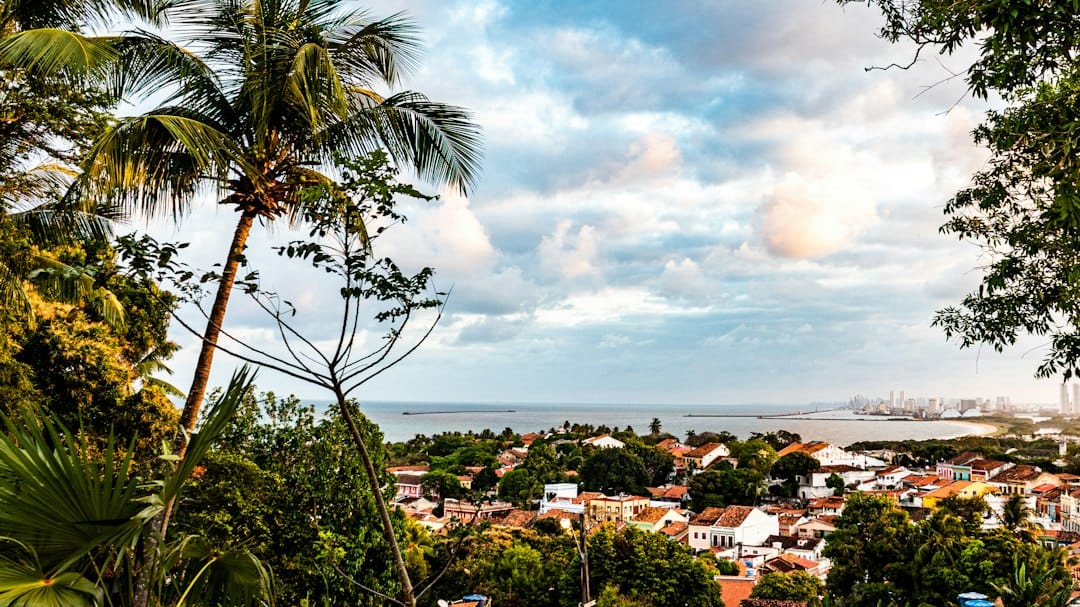
Southeast Asia remains the reigning champion of affordable living, and for good reason. In Vietnamese cities like Da Nang and Hoi An, or Thai spots such as Chiang Mai, you can rent a comfortable studio for two to three hundred dollars and eat like royalty for a few dollars a day. Chiang Mai in particular has become almost synonymous with the frugal nomad life — walkable, warm, wired with fast internet, and stocked with cafés that seem purpose-built for long working afternoons. Bali's inland towns and parts of Cambodia and Laos round out a region where $500 buys not just survival but genuine comfort.
Look further west and Central America offers a different flavour of affordability. Mexico's smaller cities — Oaxaca, Mérida, Guanajuato — deliver colour, cuisine, and colonial architecture at prices that reward those who venture beyond the coastal resort towns. Guatemala's Lake Atitlán and Antigua, along with pockets of Colombia and Ecuador, let you settle into mountain or lakeside towns where the cost of a slow, considered life stays well within reach. Many of these places appear on lists of slow travel cities for budget-minded nomads precisely because they balance affordability with a real sense of place.
Then there is the often-overlooked corridor of Eastern Europe, South Asia, and the Caucasus. Georgia's capital Tbilisi, with its wine, warmth, and generous visa policies, is a favourite for those who want European texture at Asian prices. India's Goa and the Himalayan foothill towns, Albania's Balkan coast, and pockets of Turkey outside Istanbul all deliver rich cultural immersion on a shoestring. Each region carries its own trade-offs in climate, connectivity, and pace, but the underlying truth holds: in dozens of countries, a modest remote income buys a life that would be unthinkable back home.
Enjoying this? Get more like it.
Weekly picks for remote workers and digital nomads — tools, destinations, and honest takes, straight to your inbox.
Subscribe free →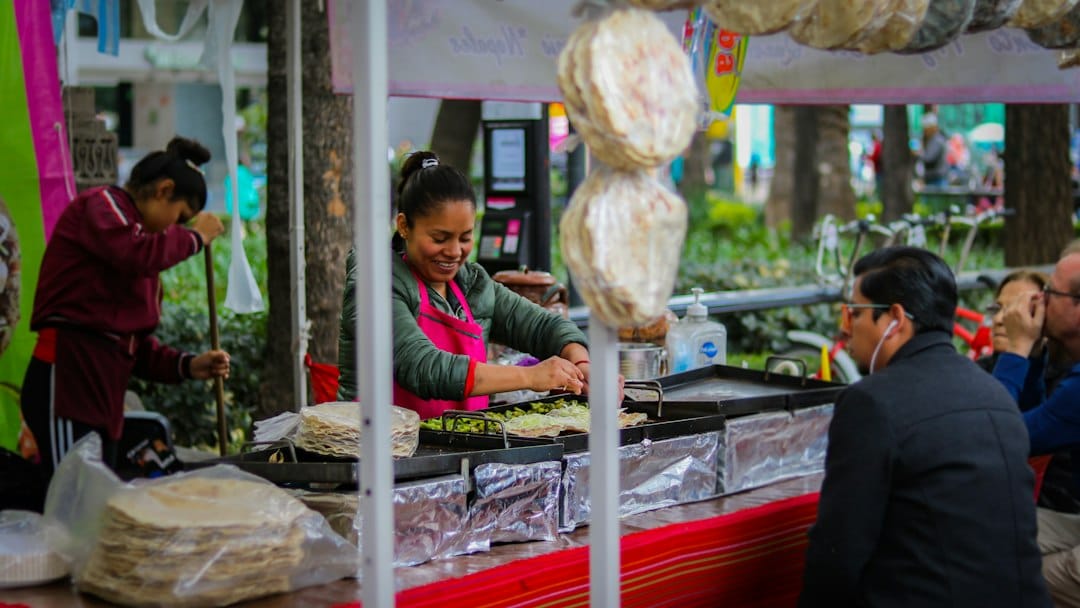
How to Build a Life That Actually Costs $500
How to Build a Life That Actually Costs $500
Cost-control strategies and tactics compared across housing, food, transport, and daily living.
| Category | Budget Strategy | Premium Alternative | Cost Impact |
|---|---|---|---|
| Housing | Shared apartment | Solo studio | +$80–120/mo |
| Food & Dining | Local markets & cook | Restaurant dining | +$60–90/mo |
| Transport | Public transit & bike | Taxis & ride-share | +$40–80/mo |
| Internet & Utilities | Shared plan, no AC | Premium + full climate | +$15–25/mo |
| Entertainment | Free activities & cafes | Tours & nightlife | +$20–40/mo |
Illustrative figures — composed for shape, not sourced
The single most powerful lever on your budget is how you handle housing, and the trick is to slow down. Arriving somewhere and booking a place for one night or a week gives you the freedom to walk the neighbourhoods, ask around, and negotiate a monthly rate face to face. Landlords almost always prefer a reliable long-stay tenant to the churn of short-term guests, and the discount for committing to a month or three can be dramatic. Co-living arrangements can also flatten your costs while solving the loneliness problem at the same time — many affordable co-living spaces bundle rent, community, and workspace into a single predictable figure.
Food is the next frontier, and it's where daily habits either make or break the budget. Cooking a few meals at home from market produce, drinking coffee you brew yourself most mornings, and treating restaurant meals as small pleasures rather than defaults will keep you comfortably in range. In many low-cost countries, though, cooking barely saves money over eating from local vendors, so the smarter move is often to eat where locals eat and reserve your cooking energy for the odd home-cooked treat. Learning the words for a handful of dishes and greeting your regular vendor by name does more for both your budget and your sense of belonging than any spreadsheet ever could.
Connectivity and transport round out the picture. A local SIM card with a generous data plan usually costs a few dollars and spares you the eye-watering roaming fees that quietly wreck budgets — it's worth researching the cheapest ways to use your phone abroad before you land. Walking, cycling, shared minivans, and the occasional scooter rental will carry you almost everywhere for a fraction of what taxis cost. Every one of these choices is small on its own, but stacked together over a month they are the difference between a budget that works and one that quietly balloons.
The Mistakes That Quietly Blow the Budget
The most common way to overspend in a cheap country is to move too often. Every relocation resets your rent to short-term rates, adds transport costs, and drops you into a new place where you don't yet know the affordable spots. The travellers who consistently hit their budget tend to stay put for weeks or months at a time, building the local knowledge that makes cheap living effortless. Restlessness is expensive; patience is a discount. Slow travel isn't just gentler on your nervous system, it's gentler on your wallet, and the two benefits reinforce each other beautifully.
A second trap is recreating your home lifestyle in a foreign setting. Imported groceries, Western brunch spots, cocktail bars priced for tourists, and air-conditioned malls will drain your funds while insulating you from the very culture you travelled to experience. There is nothing wrong with the occasional familiar comfort, but when the exception becomes the routine, your $500 destination starts to cost like home. The people who feel richest on this budget are usually the ones who embraced the local way of living most fully rather than clinging to habits shipped in from elsewhere.
Finally, don't let the low cost of living lull you into neglecting your income and your wellbeing. A budget this lean only stays comfortable if your remote work stays steady, so protect your earning capacity and guard against the isolation and overwork that can creep in. Burnout is expensive in every sense, and it's worth reading up on how to manage digital nomad burnout before you're deep in a routine that quietly erodes you. Cheap living is a means to a fuller life, not an end in itself.
Making the Numbers Sustainable Over a Year
Living on $500 for one exciting month is easy; sustaining it across a year takes a little structure. Build a simple monthly budget with categories for rent, food, transport, connectivity, and a buffer for the unexpected, then track your actual spending for the first few weeks in any new place. That early data tells you whether the destination truly fits your number or whether you've stumbled into a pocket that only looks cheap. Over time you'll develop an instinct for which towns reward your budget and which quietly punish it.
The other half of sustainability is the income side. A budget this efficient means even a modest remote wage leaves room to save, which is where the real freedom compounds. Whether you build a client base through freelancing or grow a location-independent business, keeping your earnings resilient turns a frugal year into a genuinely wealthy one in the ways that matter. If you're still building that foundation, exploring how to earn a location-independent income is a worthwhile companion to any budget plan.
There is also a rhythm to alternating cheap and expensive stretches. Many experienced travellers spend the bulk of the year in low-cost bases, banking savings, then treat themselves to a pricier city or a trip home without guilt. The $500 months are what make the splurges possible. Seen this way, frugal living isn't deprivation at all — it's a deliberate strategy that widens your options and buys you the one thing money struggles to touch anywhere: time.
Living well on $500 a month is not a hack or a stunt; it's a genuine, repeatable way of life for anyone willing to trade a little familiarity for a lot of freedom. The world is full of towns where your money buys warmth, good food, fast internet, and the space to build the kind of life you actually want. The arithmetic is real, the destinations are waiting, and the only real requirement is the willingness to slow down and settle in.
Pick one region that excites you, run the numbers honestly, and give it a season. You may find, as so many have, that the life you thought you couldn't afford was simply waiting on the other side of a plane ticket and a change of pace.