Your Complete South America Backpacking Trip Guide
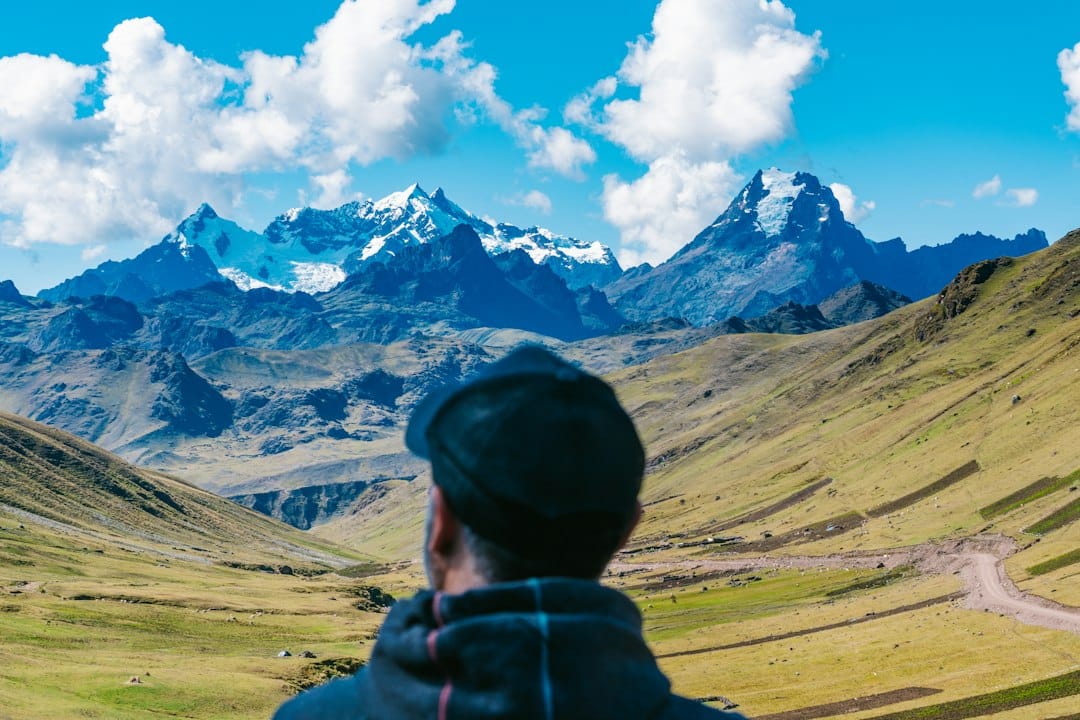
Picture the moment the night bus finally sighs to a stop somewhere high in the Andes. The windows are fogged, someone two rows back is still asleep under an alpaca-wool blanket, and outside a woman in a bowler hat is already selling coca tea from a steaming thermos. The air is thin and cold, the sky is the kind of blue that looks retouched, and you realise, maybe for the first time, that you are properly, gloriously far from home. That is the promise of backpacking South America: a continent that rewards curiosity, punishes rigid itineraries, and somehow makes a modest budget stretch further than seems reasonable.
For remote workers, the appeal goes beyond postcards. South America shares time zones with much of North America, which makes client calls far less painful than they are from Southeast Asia. Its cities are increasingly wired for laptop life, with coworking spaces tucked into colonial courtyards and cafes that tolerate a three-hour flat white. And a carefully managed digital nomad budget can cover not just survival but genuine pleasure: market lunches, weekend treks, a cooking class, a ticket to a football match that turns an entire city into a single roaring voice.
This guide walks you through the essentials: how to think about money on the road, how to shape a route that suits both wanderlust and working hours, where to set up base, what to pack, and the mistakes that trip up even seasoned travellers. Whether you are setting off solo, with a partner, or with a small family in tow, the goal is the same: to travel slowly enough to actually feel the places you pass through.
Building a Digital Nomad Budget That Survives the Continent
South America is not one price point; it is a sliding scale. Bolivia and much of rural Peru and Ecuador sit at the gentle end, where a set lunch of soup, a main and a glass of fresh juice in a local comedor costs less than a coffee back home. Colombia lands comfortably in the middle. Chile, Uruguay and the more polished neighbourhoods of Brazil can feel surprisingly close to European prices, especially once you factor in long-distance transport. Argentina has been famously volatile, with exchange conditions shifting dramatically from year to year, so research current realities right before you go rather than trusting an old forum thread.
The smartest approach is to budget in layers. Start with a fixed base for accommodation, food and local transport, then add a separate pot for the big-ticket experiences that tend to blindside travellers: Galápagos cruises, guided Patagonia treks, Salar de Uyuni tours, Machu Picchu entry and the Inca Trail permits that sell out months in advance. Finally, keep an emergency buffer you genuinely do not touch. Experienced travellers find that it is rarely the daily coffees that sink a trip; it is the unplanned flight after a cancelled bus, or the dental visit no one saw coming.
Money logistics matter as much as the total. Carry at least two cards from different banks, choose ones with low foreign transaction fees, and be aware that ATM withdrawal charges can be steep in some countries, so fewer, larger withdrawals usually make sense. Keep a small stash of US dollars for border crossings and emergencies. And if you work remotely, remember that your income needs to keep flowing in a currency that does not erode while you travel; a multi-currency account can smooth out those conversions considerably.
Mapping a Route That Works for Wandering and Working
Mapping a Route That Works for Wandering and Working
Decision tree to choose a South America route based on time available, season, and work schedule.
Do you have more than four weeks available?
Focus on one region
Peru and Bolivia, or Colombia and Ecuador, work best as compact loops.Are you traveling during the southern summer?
Prioritize the Andean highlands
Visit Peru, Bolivia and Ecuador when they are drier and clearer.Do you need regular work hours without tour schedules?
Follow the classic Gringo Trail
Colombia through Chile offers established transport and frequent movement.Alternate anchor cities with short bursts
Base yourself for two to six weeks, then take long weekends between locations.IllustrativeA rule of thumb from the advice above. No figures shown.
Many backpackers trace some version of the classic loop known as the Gringo Trail: north from Colombia through Ecuador, down into Peru, across Bolivia, then south to Chile and Argentina. It is popular for good reason. Transport is well established, hostels cluster where you need them, and the landscapes change so dramatically that a single month can carry you from Caribbean humidity to high-altitude salt flats. Running it in reverse works just as well, and the right direction often depends on the season. Patagonia is best visited in the southern summer, roughly November to March, while the Andean highlands tend to be drier from May to September.
For remote workers, though, the classic loop can be a trap. Night buses, early-morning tours and constant check-ins leave little room for focused work. A better rhythm is to alternate between anchor cities, where you stay for two to six weeks and keep regular hours, and short bursts of movement in between. You might settle in Medellín for a month, slip down to the coffee region for a long weekend, then base yourself in Cusco before tackling the trek you have been dreaming about. The trip becomes a series of chapters rather than a blur of bus stations.
Be honest about distance. South America is enormous, and the map lies about how quickly you can cross it. A journey that looks like a short hop may involve winding mountain roads and a full day in transit. Budget airlines have made some routes far easier, but domestic flights booked last-minute can quietly devour savings. Plan your expensive legs early, leave slack in the schedule, and accept that you will not see everything. That acceptance, more than any spreadsheet, is what keeps a long trip enjoyable.
Enjoying this? Get more like it.
Weekly picks for remote workers and digital nomads — tools, destinations, and honest takes, straight to your inbox.
Subscribe free →Where to Base Yourself: Cities That Welcome Laptops
Medellín has become the continent's best-known nomad hub, and walking through El Poblado or Laureles it is easy to see why. The climate hovers in permanent spring, the metro cable cars glide over hillside neighbourhoods, and coworking spaces hum with a mix of locals and travellers. Colombia also offers a dedicated digital nomad visa, which makes longer stays more straightforward. Further south, Cuenca in Ecuador offers a slower, gentler pace: cobbled streets, blue-domed churches and a cost of living that leaves room to breathe.
Lima surprises many people. Its cliffside Miraflores and bohemian Barranco districts combine reliable internet with one of the world's most celebrated food scenes, from ceviche counters to neighbourhood markets. Buenos Aires rewards those who love long dinners, bookshops and late nights, while Santiago offers polish, efficiency and quick escapes to vineyards and ski slopes. Florianópolis in Brazil pairs beach life with a growing tech community. Whichever you choose, staying in one place long enough to have a favourite bakery changes the texture of the whole journey.
Accommodation is where a digital nomad budget is won or lost. Monthly rentals usually beat nightly rates by a wide margin, and many hosts will negotiate for longer stays. Co-living spaces are another strong option, bundling a desk, decent Wi-Fi and a ready-made community into one price. If you are weighing that route, this guide to affordable co-living spaces for digital nomads is a useful starting point. Always ask hosts for a speed test screenshot before booking; a beautiful terrace means little when your video call freezes mid-sentence.
Packing for Deserts, Glaciers and Jungle in One Bag
Few continents ask as much of your luggage. In a single trip you might shiver at dawn on the Bolivian altiplano, sweat through an afternoon in the Amazon basin, and brace against Patagonian winds that seem personally offended by your presence. The answer is layering rather than volume: a packable down jacket, a waterproof shell, merino base layers that resist odour through several wears, quick-dry trousers and shoes that can handle both trail and cobblestone. Everything else can usually be bought locally, often cheaper and with more character.
The bag itself deserves real thought. A backpack generally beats wheeled luggage on dirt roads, steep hostel staircases and crowded bus terminals, though a sturdy wheeled case can make sense if you plan to stay mostly in cities. For a deeper look at options built to last, see this roundup of the best luggage for long-term travel. Whatever you choose, make sure your laptop has a padded, quickly accessible compartment and that the bag can be locked.
For working on the move, a few small items punch above their weight: a universal plug adapter, a compact power bank, a local SIM or eSIM for hotspot backup, noise-cancelling earphones for bus rides and shared spaces, and a cloud backup routine you actually follow. Add a basic first-aid kit with altitude and stomach remedies, a refillable water bottle with a filter, and a headlamp. When the power cuts out in a mountain town, that little light suddenly feels like the most valuable thing you own.
Common Mistakes That Drain Money and Energy
The most common mistake is moving too fast. It is tempting to treat South America as a checklist, ticking off a new town every two days, but the cost is real: transport eats your budget, exhaustion erodes your work, and the places start to blur together. Altitude makes this worse. Arriving in La Paz or Cusco and immediately hiking, drinking and working late is a reliable recipe for headaches and nausea. Give yourself a couple of quiet days to acclimatise, drink plenty of water, and let your body catch up with your plans.
Paperwork catches people out too. Entry rules vary by country and by passport, some nationalities require visas or fees for certain countries, and tourist stays have limits that are easy to overstay without noticing. Check requirements directly with official government sources before each border, keep digital and paper copies of your documents, and make sure your travel insurance actually covers remote workers, adventure activities and the altitudes you plan to reach. Working on a tourist entry also sits in a legal grey area in many places, so investigate whether a digital nomad visa makes sense for longer stays.
Finally, do not neglect yourself. Long-term travel combined with deadlines can wear you down quietly, and loneliness can creep in between bustling hostel nights. Building routines, protecting sleep and taking real days off are not luxuries; they are what make a long journey sustainable. If you start to feel frayed, these wellness tips for avoiding digital nomad burnout offer practical ways to reset. Learning even basic Spanish, and a little Portuguese for Brazil, also transforms the experience, turning transactions into conversations and strangers into neighbours.
South America does not reveal itself to people in a hurry. It opens up slowly: in the market vendor who starts saving you the ripest mangoes, in the hostel owner who draws you a map to a hidden waterfall, in the evening you finally stop checking your inbox and simply watch the light fade over a plaza full of children chasing pigeons. With a layered budget, a route built around anchor cities and a pack that can handle four climates, you give yourself the space for those moments to happen.
So plan the big pieces, leave the rest loose, and trust that the continent will fill the gaps with something better than you could have scheduled. Your laptop will come along for the ride, but the stories you bring home will have very little to do with spreadsheets and everything to do with the places that, for a few weeks, felt like home.
FAQ
how much does it cost to backpack South America
South America is a sliding scale of prices, with Bolivia and rural Peru and Ecuador being very affordable, Colombia in the middle range, and Chile, Uruguay, and polished areas of Brazil approaching European prices. Argentina's costs fluctuate dramatically year to year, so it's important to research current conditions before traveling.
what is the best time to visit Patagonia
Patagonia is best visited during the southern summer, roughly November to March, while the Andean highlands tend to be drier from May to September.
which South American cities are best for digital nomads
Medellín is the continent's best-known nomad hub with permanent spring-like climate and coworking spaces, while Cuenca, Ecuador offers a slower pace and lower cost of living. Lima, Buenos Aires, Santiago, and Florianópolis in Brazil are also strong options for remote workers seeking different atmospheres.
what should I pack for a South America backpacking trip
Pack in layers to handle multiple climates: a packable down jacket, waterproof shell, merino base layers, quick-dry trousers, and sturdy shoes. Bring a padded laptop compartment, universal adapter, power bank, noise-cancelling earphones, first-aid kit with altitude remedies, refillable water bottle with filter, and headlamp.
Sources
Illustrative, composed for shape rather than sourced: Mapping a Route That Works for Wandering and Working. Updated 6 Oct 2026.