Airport Lounges: 5 Reasons They're Still Worth the Cost
Short answer
Yes, for many frequent travellers, airport lounge access is still worth it. Quiet workspaces, reliable Wi-Fi, free food and drinks, showers, and a calm place to wait out delays can easily outweigh a typical day pass, especially for remote workers on long layovers. Occasional flyers on short hops may struggle to justify the cost.
Picture the gate area three hours before a delayed long-haul departure. The carpet is a patchwork of coffee stains. Every seat near a power outlet has been claimed by someone guarding a phone at four percent battery. An announcement crackles overhead, unintelligible and somehow still alarming. A child is crying in a way that suggests the parents may soon join in. You have a client call in forty minutes, a laptop that needs charging, and a sandwich that cost more than a decent dinner in most of Southeast Asia.
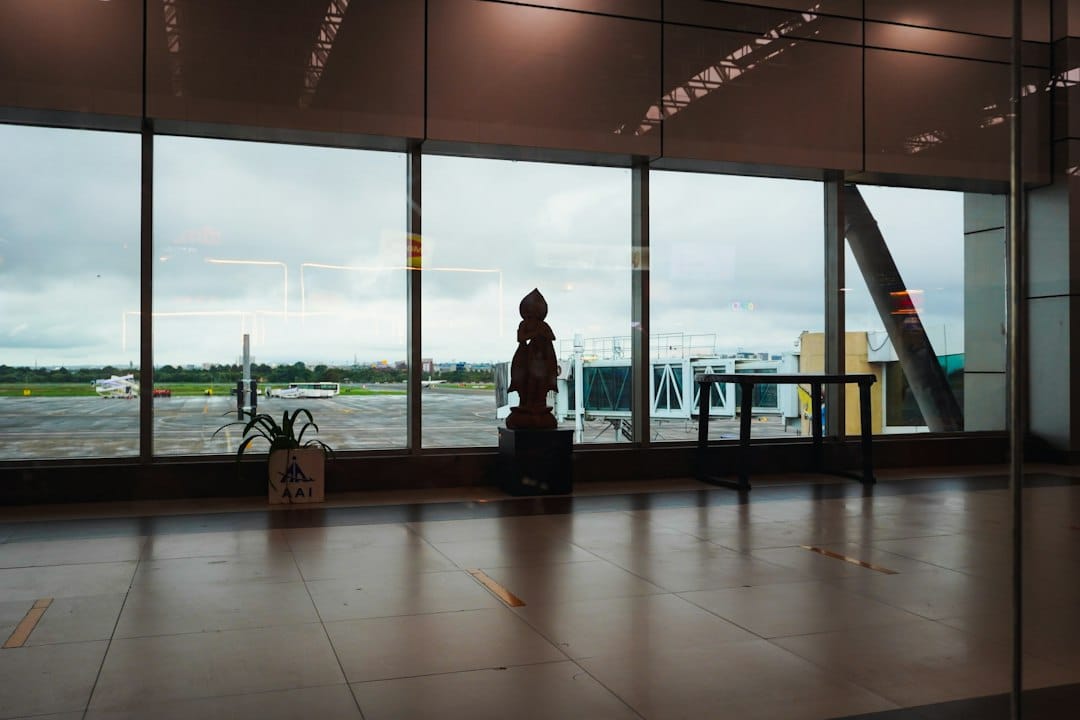
Now picture a frosted glass door sliding shut behind you. The noise drops away. Soft lighting, a window overlooking the apron where planes taxi in slow, silent choreography, a plate of something warm, and a desk with a socket that actually works. Is airport lounge access worth it? For years the question was framed as luxury versus thrift, as if lounges were only for executives with expense accounts. But for location-independent workers who treat airports as part of the commute, the calculation looks very different.
Lounges have changed, too. Some are busier than they used to be, and access rules have tightened in places. Yet the core value remains, and in some ways it has grown. Here are five reasons the lounge still earns its place in a nomad's travel strategy, along with honest notes on when it doesn't, and how to get in without paying full price.
Reason One: A Real Workspace Between Flights
For remote workers, the single biggest argument for lounge access is that it turns dead time into working time. A terminal is a hostile place to concentrate. Seating is designed for waiting, not typing. Public Wi-Fi often caps sessions, drops connections, or demands an email address and a short survey before releasing a trickle of bandwidth. In a lounge, you typically find dedicated work counters, quiet zones, plentiful outlets, and a network that can handle a video call without freezing your face mid-sentence.
Think about what a four-hour layover is actually worth if you bill by the hour or have deadlines that don't care which time zone you're in. If a calm lounge lets you clear two hours of focused work, the cost of entry can pay for itself before your boarding group is called. Experienced travellers often schedule their heaviest admin, the inbox triage, invoices, and expense reports, for lounge time precisely because the environment is predictable even when everything else about travel day is not.
There's a subtler benefit as well. Working in a lounge lets you arrive at your destination with a lighter load, mentally and professionally. Instead of landing in a new city with a backlog that eats your first evening, you can step out of arrivals ready to wander, find dinner, and actually meet the place you've come to live in for the next few months.
Reason Two: Food, Drink, and the Hidden Maths of Airport Prices
Airport food prices exist in their own economy. A bottle of water, a coffee, a mediocre wrap, and a pastry for later can quietly add up to a meaningful chunk of a daily budget, and that's before a glass of wine to take the edge off a delay. Most lounges include food and soft drinks in the price of entry, and many include alcohol too. The spread ranges from modest cheese and crackers to genuinely good regional cooking: noodle bars, fresh salads, hot curries, or pastries that taste like someone cared.
If you're flying long-haul on a budget carrier where meals are extra, this becomes even more relevant. Many nomads chasing affordable routes, like those covered in our guide to the cheapest Asian countries to fly to right now, find that a proper meal in the lounge before boarding replaces an overpriced in-flight purchase entirely. Over a year of regular travel, those savings start to resemble a line item worth tracking.
Of course, the maths only works if you'd actually spend the money otherwise. If you're the kind of traveller who packs homemade snacks and refills a water bottle at the fountain, the food alone won't justify a paid day pass. But combined with the other benefits, it tips the scale more often than you might expect.
Enjoying this? Get more like it.
Weekly picks for remote workers and digital nomads — tools, destinations, and honest takes, straight to your inbox.
Subscribe free →Reason Three: Rest, Showers, and Protecting Your Energy
There is a particular kind of tiredness that only travel produces: the gritty eyes, the stale clothes, the sense that your body is somewhere over the ocean while your mind is still at the departure gate. A hot shower in the middle of a long journey is one of the most quietly transformative experiences available to a traveller. Many lounges offer private shower suites with towels and toiletries, and some have nap rooms, reclining loungers, or dimly lit relaxation areas where you can close your eyes without guarding your bag.
For people who move constantly, energy is a finite resource. Constant transit, shifting time zones, and the low hum of logistical stress are among the main drivers of the exhaustion many remote workers eventually hit, a theme explored in depth in our piece on mastering digital nomad burnout. A lounge won't cure burnout, but it can soften the edges of travel days so they stop draining you quite so completely.
Arriving rested also changes how you experience the first day somewhere new. Instead of collapsing into a rental apartment and sleeping through the afternoon, you might have the energy to walk the neighbourhood at golden hour, find the corner café that will become your morning ritual, and start the stay on your own terms.
Reason Four: A Calm Harbour When Things Go Wrong
Delays and cancellations are where lounges quietly prove their worth. When a departure board turns red and hundreds of passengers form a line at the service desk, the lounge becomes a refuge. Airline-operated lounges often have staff who can rebook flights, check connection options, or help with paperwork, sometimes far faster than the queue outside. Even independent lounges give you a comfortable base from which to sort things out by phone or app, with coffee in hand rather than standing on aching feet.
The psychological effect matters as much as the practical one. A disrupted travel day in the terminal feels like a crisis. The same disruption from a quiet armchair with a view of the runway feels like an inconvenience. You can message your next host, reschedule meetings, and think clearly about options instead of making rushed decisions in a crowd.
If you're travelling with a partner or children, this benefit multiplies. Space to spread out, bathrooms without queues, and snacks on demand can turn a meltdown-in-waiting into a manageable pause. For families, check guest policies carefully, since rules on children and companions vary widely between programmes.
Reason Five: Cheaper Ways In Than You Might Think
Reason Five: Cheaper Ways In Than You Might Think
Common routes to airport lounge access and their key advantages and cost considerations.
| Access Method | Typical Cost Model | Best For |
|---|---|---|
| Premium travel credit card | Annual fee offset by travel credits | Frequent flyers who use card benefits |
| Lounge network membership | Annual membership with visit allowance | Regular travellers through major hubs |
| Airline frequent-flyer status | Earned through accumulated flights | Loyal airline customers |
| Walk-in day pass (online advance) | Discounted if booked before arrival | Occasional users, specific trips |
| Walk-in day pass (at lounge) | Full sticker price, variable by location | Emergency access only |
Illustrative figures — composed for shape, not sourced
The sticker price of a single walk-in visit is often what puts people off. But few frequent travellers actually pay it every time. Many premium travel credit cards include lounge memberships or a set number of free visits each year, and the annual fee can be offset by travel credits and other perks if you'd use them anyway. Lounge networks sell annual memberships with tiered visit allowances, and airline status earned through frequent flying unlocks access on its own. Some lounges also sell discounted day passes in advance online.
The common mistake is buying access before understanding your own travel pattern. Count roughly how many flights you take a year, how many involve layovers longer than two hours, and which airports you pass through most. A membership that works beautifully in major hubs can be useless if your home airport has no participating lounge. Read the fine print too: guest fees, time limits, and capacity restrictions during peak hours can all chip away at the value.
It's also worth being honest about when lounges aren't worth it. Short domestic hops with tight connections, early-morning flights where you arrive just in time, or airports with only one crowded lounge may not deliver much. Some popular lounges now have waiting lists at busy times. Pair your lounge strategy with smart packing, such as the carry-on approach in our guide to the best luggage for long-term travel, and you'll move through airports faster and spend more of your time in the calm rather than the chaos.
So, is airport lounge access worth it? For the occasional holidaymaker, perhaps not. But for remote workers who treat airports as recurring chapters rather than rare interruptions, the answer is usually yes. A productive workspace, decent food, a hot shower, and a sanctuary when plans collapse add up to something more valuable than comfort: they protect your time, your money, and your energy.
Start by mapping your travel year, then choose the access route that matches it, whether that's a credit card perk, a membership, or the occasional well-timed day pass. The next time a delay flashes up on the departures board, you might find yourself smiling, heading for that frosted glass door, and settling in with a view of the planes.
FAQ
do airport lounges include food and drinks
Yes, most lounges include food and soft drinks in the price of entry, and many also include alcohol. The food offerings range from modest cheese and crackers to more substantial options like noodle bars, fresh salads, hot curries, and pastries.
how can I get airport lounge access without paying full price
Several options exist beyond purchasing a walk-in pass: premium travel credit cards often include lounge memberships or free visits, lounge networks sell annual memberships with tiered visit allowances, airline frequent flyer status unlocks access, and some lounges offer discounted day passes if purchased in advance online.
do airport lounges have showers
Many lounges offer private shower suites with towels and toiletries, and some also have nap rooms, reclining loungers, or dimly lit relaxation areas where travelers can rest.
are airport lounges worth it for remote workers
For remote workers and frequent travelers, airport lounges can be worth the cost because they provide a dedicated workspace with reliable Wi-Fi and power outlets, include meals that would otherwise be expensive, and offer rest facilities and a calm refuge during delays. The value depends on your travel frequency and patterns, particularly how many flights with layovers longer than two hours you take annually.
Sources
Illustrative, composed for shape rather than sourced: Reason Five: Cheaper Ways In Than You Might Think; Reason One: A Real Workspace Between Flights. Updated 2 Oct 2026.