Cheapest Countries to Travel in Asia
Short answer
The cheapest countries to travel in Asia are Vietnam, Laos, Cambodia, Nepal, India, Indonesia and Sri Lanka. In each, a comfortable traveller can usually live on roughly $25–45 a day, including a private room, local meals and transport. Prices vary by season and region, so check current rates before you go.
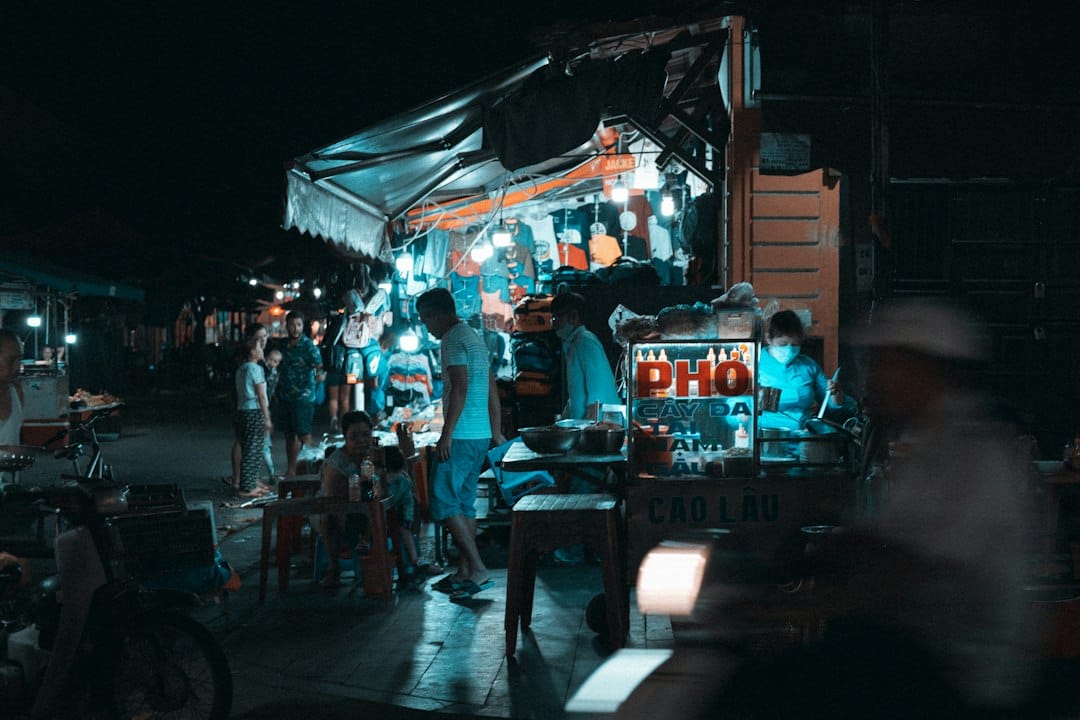
Picture a plastic stool on a Hanoi pavement, the morning air thick with the smell of charred pork and lemongrass. A bowl of bún chả lands in front of you, broth glistening, herbs piled high, and when the bill comes it costs less than a coffee back home. Moments like this are why Asia has long pulled in travellers who want their money to stretch. Here, a modest budget doesn't mean a modest experience. It can buy weeks of slow mornings, long train rides and conversations that only happen when you stay put long enough.
For remote workers, affordability is only half the picture. Cheap accommodation is worth little if the Wi-Fi drops every afternoon, and a low daily budget can disappear fast once visa runs and flights are added in. The best value destinations balance cost with livability: reliable connections, a café culture that welcomes laptops, and a pace of life that lets you settle into a routine rather than survive one.
This guide covers the countries where your money goes furthest, what daily life actually costs, and the mistakes that quietly drain budgets. It's written for anyone weighing a few months on the road, whether you're travelling solo, as a couple, or with a small family in tow.
What Makes a Country Truly Cheap to Travel
It's tempting to judge affordability by the price of a beer or a dorm bed, but those headline numbers can mislead. A country where street food costs a dollar but every visa extension means a flight out isn't cheap for a long stay. The real measure is your all-in monthly cost: accommodation, food, transport, connectivity, visas and the small extras that make a place feel like home, such as a gym pass, a coworking desk or a weekend trip into the hills.
Exchange rates matter too. Several Asian currencies have weakened against the US dollar, euro and pound in recent years, which makes local prices feel even lower for many visitors. But inflation has crept into popular hubs, and areas that were bargains a decade ago now charge closer to European prices for Western-style comforts. The cheapest experiences almost always sit in the local economy: neighbourhood markets, family guesthouses and the buses locals actually use.
Finally, consider the cost of getting there. A low-cost country can lose its edge if the flight costs a month's rent. Our guide to the cheapest Asian countries to fly to right now can help you choose an entry point that keeps the whole trip affordable, not just the days on the ground.
Southeast Asia: Vietnam, Laos, Cambodia and Indonesia
Southeast Asia: Vietnam, Laos, Cambodia and Indonesia
Cost and livability comparison across Southeast Asia's four cheapest countries for travellers and remote workers.
| Factor | Vietnam | Laos | Cambodia |
|---|---|---|---|
| Monthly rent (private room) | Few hundred dollars | Very low, highly variable | Very low |
| Internet reliability | Fast and dependable | Less reliable outside towns | Adequate in main cities |
| Local meal cost | Two to three dollars | Among the lowest | One to two dollars |
| Best for remote workers | Yes, especially Da Nang | No, pace prioritised | Limited, seasonal |
| Overall value for long stay | Best balance | Lowest cost | Strong alternative |
Illustrative figures — composed for shape, not sourced
Vietnam is the region's standout for value. From the misty limestone peaks of Ha Giang to the beachfront cafés of Da Nang, it offers fast internet, superb food and a well-run network of sleeper buses and trains. A private apartment in Da Nang or Hoi An can often be found for a few hundred dollars a month, and a hearty bowl of phở rarely costs more than two or three. Long-term travellers often settle in Da Nang, where morning swims and afternoon work sessions blend into an easy rhythm.
Laos and Cambodia move at a gentler pace. In Luang Prabang, saffron-robed monks walk the streets at dawn and the Mekong turns gold by evening. Prices for guesthouses and meals are among the lowest in the region, though internet can be less reliable outside the main towns. Cambodia, which uses the US dollar alongside the riel, pairs the temples of Angkor with relaxed riverside cities like Kampot, where pepper farms and slow afternoons cost very little. Both suit travellers who value quiet over high-speed everything.
Indonesia stretches across thousands of islands, and costs swing widely between them. Bali's popular areas have grown pricier, but Java, Lombok and Flores remain remarkably affordable, with warung meals of rice, tempeh and sambal costing a dollar or two. For a fuller country-by-country comparison of the region, see our breakdown of the cheapest countries to visit in Southeast Asia.
Enjoying this? Get more like it.
Weekly picks for remote workers and digital nomads — tools, destinations, and honest takes, straight to your inbox.
Subscribe free →South Asia: Nepal, India and Sri Lanka
South Asia: Nepal, India and Sri Lanka
Cost, connectivity and suitability for remote workers across three South Asian destinations.
| Consideration | Nepal | India | Sri Lanka |
|---|---|---|---|
| Internet speed and reliability | Patchy, backup data plan needed | Fast in urban areas | Improving, variable by region |
| Daily meal from local eatery | Dal bhat, very affordable | Thali, exceptionally cheap | Rice and curry, excellent value |
| Coworking or café culture | Growing in Pokhara | Strong in Goa, Rishikesh | Limited outside main towns |
| Accommodation availability | Lakeside guesthouses abundant | Wide range, hill towns recommended | Family guesthouses common |
| Recommended for remote workers | Yes, if Wi-Fi backup planned | Yes, especially hill stations | Secondary choice |
Illustrative figures — composed for shape, not sourced
Nepal rewards those who come for the mountains and stay for the people. In Pokhara, the lake reflects the Annapurna range on clear mornings, and lakeside guesthouses with rooftop views cost a fraction of what you'd pay elsewhere. A plate of dal bhat, often refilled for free, fuels long days of trekking or work. Power cuts and patchy connections still happen, so a backup data plan is wise, but few places offer this much beauty for so little.
India is vast enough to suit almost any budget, and at the lower end it is one of the cheapest places on the planet to travel. Overnight trains cross whole states for the price of a meal, and thalis piled with curries, rice and fresh chapatis cost very little in local eateries. Goa, Rishikesh and the hill towns of Himachal Pradesh have become gentle bases for remote workers, with cafés that understand the needs of someone who arrives with a laptop and stays until sunset.
Sri Lanka packs remarkable variety into a small island: tea-covered hills around Ella, surf breaks along the south coast, and the ancient cities of the Cultural Triangle. The scenic train from Kandy to Ella, rattling through cloud forest and plantations, remains one of the world's great inexpensive journeys. Prices have shifted following the country's economic difficulties, so it's worth checking recent costs, but local rice and curry and family-run guesthouses still offer excellent value.
What Daily Life Really Costs
In most of these countries, a comfortable lifestyle for one person typically lands somewhere between $700 and $1,300 a month. That usually covers a private room or small apartment, eating out most meals, local transport, a SIM card with plenty of data and the occasional weekend trip. Couples often find their per-person costs drop noticeably, since rent and many daily expenses are shared. Families can still travel well, especially when they rent a local apartment with a kitchen rather than relying on hotels.
Accommodation is usually the biggest variable. Nightly booking-site rates can be double or triple what you'd pay by negotiating a monthly rate in person or through local rental groups. Co-living spaces sit in between, offering community and dependable Wi-Fi with no lengthy lease. Our roundup of co-living spaces for affordable digital nomad housing is a good starting point if you'd like a soft landing before finding something longer term.
Food is where Asia shines brightest for budget travellers. Eating where locals eat, at markets, street stalls and small family restaurants, keeps costs low and introduces you to the real flavours of a place. Imported goods, Western-style brunch spots and cocktail bars are where budgets quietly unravel. A single flat white and avocado toast in a trendy café can cost as much as a full day of local meals.
Common Mistakes That Drain a Budget
The most common mistake is moving too fast. Each new city brings transport costs, a few nights of overpriced accommodation and the tourist-rate meals you eat before you find the good local spots. Slowing down to a month or more in each place lets you negotiate rent, learn where neighbours shop and build the kind of routine that keeps both spending and stress in check.
Visa costs also catch people out. Rules change often, and the gap between a free visa exemption and a paid extension or border run can add up quickly over several months. Check official government sources before you travel and plan your route around visa lengths rather than against them. ATM fees are another silent drain; a card that refunds foreign withdrawal fees, combined with fewer, larger withdrawals, can save a surprising amount.
Finally, don't underestimate the cost of comfort-seeking when you're tired. Travel fatigue pushes many people towards taxis, delivery apps and familiar chain restaurants, all of which cost far more than local alternatives. Building rest days into your schedule, and treating the journey as a lifestyle rather than a holiday, helps you stay curious, grounded and on budget.
How to Choose the Right Base for Remote Work
If you work online, connectivity should guide your choice as much as cost. Vietnam, Indonesia's larger cities and much of urban India offer fast, dependable mobile data, often faster than hotel Wi-Fi. In rural Laos, the Nepali hills or remote islands, plan for slower speeds and keep a local SIM with a generous data allowance as backup. A quick speed test on arrival, before committing to a month's rent, can save weeks of frustration.
Time zones matter as well. Working with clients in Europe from Asia often means overlapping in the afternoon and evening, which can suit those who like slow mornings at the market. Americas-based teams can be harder, sometimes requiring very early or late calls. Choose a base where the time difference fits your working life rather than fights it.
Lastly, look for community. Cities like Da Nang, Chiang Mai's neighbours across the border, Ubud, Pokhara and Goa have established networks of remote workers, coworking spaces and meetups. Even if you prefer solitude, knowing where others gather makes it easier to find recommendations, apartment leads and a friendly face when you need one.
Asia's cheapest countries offer something rarer than low prices: the freedom to slow down. When rent, food and transport cost so little, you have room to linger, to take the long train instead of the short flight, and to return to the same noodle stall until the owner starts your order when you sit down. That's where the real value lies, in the depth of experience a modest budget makes possible.
Start with one country, stay longer than feels natural and let the place reveal itself. Whether it's the lantern-lit lanes of Hoi An, the mountain light over Pokhara or the tea hills of Ella, the right base is out there, and it probably costs less than you think.
FAQ
how much does it cost to live in Asia per month
A comfortable lifestyle for one person typically costs between $700 and $1,300 a month in most of these countries, which usually covers a private room or small apartment, eating out most meals, local transport, a SIM card with data, and occasional weekend trips. Couples often find their per-person costs drop noticeably since rent and many daily expenses are shared.
what is the cheapest country to travel in Asia
Vietnam is the region's standout for value, offering fast internet, superb food, and a well-run network of sleeper buses and trains, with private apartments in places like Da Nang or Hoi An found for a few hundred dollars a month and meals costing just two or three dollars. Laos and Cambodia also offer among the lowest prices for guesthouses and meals in the region.
is Bali still cheap to visit
Bali's popular areas have grown pricier in recent years, but other Indonesian islands like Java, Lombok, and Flores remain remarkably affordable, with warung meals of rice, tempeh, and sambal costing a dollar or two.
what are common mistakes when budgeting for travel in Asia
Moving too fast between cities drains budgets through transport costs and overpriced accommodation before you find local spots, while visa costs, ATM fees, and comfort-seeking expenses like taxis and delivery apps can also add up quickly. Slowing down to stay a month or more in each place helps you negotiate rent and find affordable local options.
Sources
Illustrative, composed for shape rather than sourced: What Daily Life Really Costs; South Asia: Nepal, India and Sri Lanka; Southeast Asia: Vietnam, Laos, Cambodia and Indonesia. Updated 2 Oct 2026.