Cheapest Airlines in Southeast Asia
Short answer
The cheapest airlines in Southeast Asia are AirAsia, VietJet Air, Cebu Pacific, Scoot, Lion Air, Thai Lion Air and Nok Air. Base fares on short regional hops can drop very low during sales, but checked bags, seat selection and payment fees add up fast. Book early, pack light and compare total cost, not headline price.
There is a particular kind of quiet at a Southeast Asian airport before dawn. The fluorescent lights hum over rows of plastic chairs, a vendor slides open the shutter on a kiosk selling sweet iced coffee in plastic bags, and the departures board flickers with names that once felt impossibly far apart: Kuala Lumpur, Da Nang, Cebu, Chiang Mai, Bali. In this corner of the world, those cities are often just a short flight from one another, and getting between them can cost less than a nice dinner back home.
For remote workers and slow travellers, that is a quiet revolution. A dense web of low-cost carriers means you can spend a month working from a cafe in Hanoi, then hop to a beach town in the Philippines without wrecking your budget. But cheap flights in this region come with their own rhythm and their own rules. The fare you see on the screen is rarely the fare you pay, and the airline that looks cheapest at first glance is not always the one that leaves you with the most money in your pocket.
This guide walks through the budget airlines worth knowing, how their pricing actually works, the mistakes that turn a bargain into a headache, and how to build a travel style that lets you move freely across the region without bleeding cash on every hop.
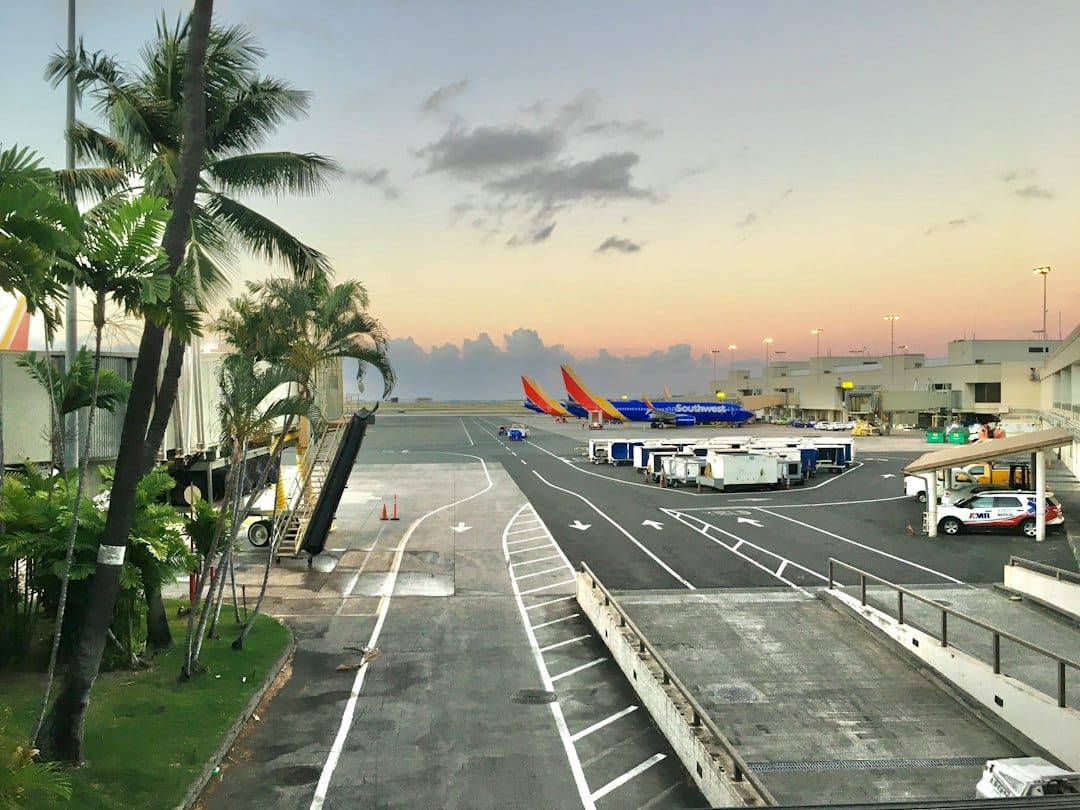
The Budget Carriers That Rule the Region
The Budget Carriers That Rule the Region
A comparison of Southeast Asia's major budget airlines, their primary networks, and key coverage areas.
| Airline | Primary Hub(s) | Strongest Network |
|---|---|---|
| AirAsia | Kuala Lumpur, Bangkok | Malaysia, Thailand, Indonesia, Philippines |
| VietJet Air | Hanoi, Ho Chi Minh City | Vietnam domestic, regional hubs |
| Cebu Pacific | Manila, Cebu | Philippines islands and domestic |
| Scoot | Singapore | Singapore-centric regional routes |
| Lion Air / Thai Lion Air | Jakarta, Bangkok | Indonesia, Thailand, Malaysia |
| Nok Air | Bangkok | Domestic Thailand |
Illustrative figures — composed for shape, not sourced
AirAsia is the name most travellers learn first, and for good reason. With its red-tailed planes and sprawling network centred on Kuala Lumpur, Bangkok and other regional hubs, it connects an enormous number of cities across Malaysia, Thailand, Indonesia, the Philippines, Cambodia and beyond. Its frequent sales are the stuff of nomad legend, with promotional fares on short routes that can feel almost absurdly low. The trade-off is a strict, à la carte model where almost everything beyond your seat and a small carry-on costs extra.
VietJet Air is the dominant budget player in Vietnam, flying the length of the country and out to neighbouring hubs like Bangkok, Singapore and Kuala Lumpur. If you are tracing the long spine of Vietnam from Hanoi down to Ho Chi Minh City, VietJet is often the cheapest option by a wide margin. Cebu Pacific plays a similar role in the Philippines, an archipelago where flying is often the most practical way to reach islands like Palawan, Siargao or Bohol. Domestic Cebu Pacific fares during seat sales can make island-hopping surprisingly affordable.
Then there is Scoot, the low-cost arm of Singapore Airlines, which tends to feel a touch more polished and is especially useful for routes through Singapore. Lion Air and its sister airlines, including Thai Lion Air and Batik Air, cover huge swathes of Indonesia, Thailand and Malaysia, while Nok Air serves domestic Thailand. Networks and routes shift, so it is always worth checking which carriers currently fly the route you need. Knowing these names means you can scan search results with a sense of who is who, rather than simply clicking the lowest number.
How Low-Cost Pricing Really Works
Picture the booking page as a long, winding market street. The headline fare is the shopfront, bright and tempting, but every few steps another stall calls out: checked luggage, seat selection, priority boarding, an inflight meal, travel insurance, a fee for paying by card. Budget airlines in Southeast Asia have refined this model to an art. The base fare covers you and, usually, a small cabin bag with a strict weight limit, often around seven kilograms. Everything else is an optional extra, and the extras are where the real price lives.
Checked bags are the biggest variable. Adding luggage during your initial booking is almost always far cheaper than adding it later, and dramatically cheaper than paying at the airport counter, where overweight fees can exceed the cost of the ticket itself. Seat selection is usually unnecessary on short flights; if you are travelling with a partner or family, many airlines will try to seat groups together anyway, though it is never guaranteed. Payment and convenience fees vary by method, so it can pay to check whether a particular card or local payment option avoids a surcharge.
Timing matters too. Sales tend to appear often and without much warning, sometimes releasing seats months in advance. Midweek departures and early morning or late night flights are typically cheaper than prime weekend slots. And for regional travel, searching in local currency on the airline's own website occasionally reveals slightly different prices from third-party aggregators. Flexibility is your greatest asset: the traveller who can shift a departure by a day or two will almost always pay less than the one who must leave on a fixed date.
Enjoying this? Get more like it.
Weekly picks for remote workers and digital nomads — tools, destinations, and honest takes, straight to your inbox.
Subscribe free →Packing Light: The Real Secret to Cheap Flights
Packing Light: The Real Secret to Cheap Flights
Decision tree to determine whether checking luggage makes sense for your trip length and work needs.
Can your work essentials and clothing fit in seven kilograms or less?
Consider checking one bag
Book at purchase to avoid airport overweight feesWeigh your load before the airport
Gate agents on some carriers do inspect cabin bag weightIllustrativeA rule of thumb from the advice above. No figures shown.
If there is one habit that transforms the economics of flying around Southeast Asia, it is learning to travel with a single cabin bag. Imagine walking past the long, snaking check-in queue, boarding pass already on your phone, a compact backpack on your shoulders holding everything you need for weeks on the road. You skip the baggage fees, skip the wait at the carousel, and step out into the warm, humid air of a new city while others are still watching the belt turn.
The challenge, of course, is weight. Seven kilograms disappears fast once a laptop, charger and a few work essentials go in. Experienced nomads lean on lightweight, quick-drying clothing, a small toiletry kit topped up locally, and the realisation that almost anything can be bought or washed along the way. The tropical climate helps enormously: light cotton shirts, a pair of sandals and a single warm layer for aggressively air-conditioned buses and cafes will carry you a long way. Gate agents on some budget carriers do weigh cabin bags, so it is worth checking your load before leaving for the airport.
Your choice of bag matters just as much as what goes inside it. A light, well-designed carry-on gives you more of your allowance for actual belongings rather than frame and wheels. If you are weighing up options for months of movement, this guide to the best luggage for long-term travel is a useful place to start. For some routes or longer stays, paying once for a checked bag can still make sense, but the point is to choose it deliberately rather than by default.
Common Mistakes That Turn Bargains Into Burdens
The first and most common mistake is booking separate tickets with tight connections. Low-cost carriers generally sell point-to-point fares, which means if your first flight is delayed and you miss your second, the second airline usually has no obligation to help. You might find yourself at a transfer desk in Kuala Lumpur or Manila, watching your onward flight leave without you and paying for a new ticket. Leaving generous buffers between self-connected flights, ideally several hours or even an overnight stop, is a small price for peace of mind.
The second mistake is ignoring the airport itself. Some budget airlines use secondary terminals or airports further from the city centre, and the taxi or transfer can quietly erase your savings. A flight that lands close to midnight can also leave you paying for a pricier ride or an unplanned airport hotel. Before booking, look at where you will land, when, and how you will get to your accommodation. Many travellers also forget about entry rules: some countries in the region may ask for proof of onward travel, and visa requirements differ by nationality, so it is worth checking official sources before you fly.
Finally, there is the temptation to fly constantly simply because it is cheap. A string of early alarms, rushed packing and airport waits can wear down even the most enthusiastic traveller, and it eats into your working hours. Moving every few days often costs more in energy than it saves in money. If you notice the exhaustion creeping in, these thoughts on managing digital nomad burnout are worth a read. Cheap flights are a tool, not an obligation.
Route-Smart Tips for Remote Workers
The hubs shape everything. Kuala Lumpur, Bangkok and Singapore act as the region's great crossroads, and routing through them is often cheaper than flying directly between two smaller cities. If you are trying to get from, say, northern Vietnam to an Indonesian island, a stop in Kuala Lumpur can unlock fares that a direct search would never show. Thinking in terms of hubs rather than straight lines opens up a whole new map of possibilities.
For remote workers, it also pays to plan flights around your schedule rather than the other way round. Wifi on budget carriers is rare or limited, so a travel day is often a lost work day. Many nomads favour short morning flights that leave the afternoon free to settle in and get online, or deliberately book travel on weekends and quiet days. Choosing a base for several weeks at a time, then making occasional trips outward, tends to strike the best balance between exploration, productivity and cost. If you are deciding where those bases might be, this overview of the cheapest countries to visit in Southeast Asia can help you weigh daily living costs alongside airfares.
Do not overlook the alternatives, either. Overnight trains in Vietnam and Thailand, long-distance buses through Cambodia and Laos, and ferries across the Thai and Indonesian islands can be cheaper than flying, and they often reward you with landscapes no window seat could offer. Rice paddies glowing gold in the late afternoon, fishing boats bobbing in a quiet harbour, mountains wrapped in mist at first light. Sometimes the slower route is both the budget choice and the richer experience.
Tools and Habits for Catching the Best Fares
Flight search engines such as Google Flights, Skyscanner and Kayak are excellent for scanning the region at a glance, especially their flexible date and map views that show prices across a whole month or across many destinations at once. Once you have found a promising fare, it is often worth checking the airline's own site before booking. Prices can match, but booking direct usually makes changes, refunds and disputes far simpler if plans shift. For booking windows, fare-alert tactics and route-by-route tips, see our guide on how to find cheap flights in Southeast Asia.
Signing up for airline newsletters and following their social channels is an easy way to hear about seat sales the moment they launch. Price alerts on search engines can watch specific routes for you, so you are not refreshing pages late at night. Some carriers also run loyalty or membership schemes, and while the perks of budget airline programmes are modest, frequent regional flyers may find small savings or bundled baggage add up over time.
Above all, build the habit of comparing the total cost. Write down the fare, then add the bag you actually need, the payment fee, and the transfer from the airport to where you are staying. Do the same for the slightly pricier option on a full-service carrier, which might include a checked bag and a meal. More often than you would expect, the gap narrows or disappears entirely, and the smarter choice becomes obvious.
Southeast Asia rewards the curious and the flexible. With AirAsia, VietJet, Cebu Pacific, Scoot and their peers stitching the region together, your next city is rarely more than a short, affordable flight away. The real savings, though, come not from finding the single cheapest ticket, but from travelling in a way that sidesteps the hidden costs: packing light, booking extras early, leaving room between connections and resisting the urge to move too fast.
So set your alerts, trim your bag down to the essentials and let the departures board become an invitation rather than an expense. Somewhere between that pre-dawn airport coffee and the first warm breath of a new city, you will find that the region's greatest luxury is not the price of the flight at all. It is the freedom to go, slowly and well, wherever your work and curiosity lead.
FAQ
which airlines are cheapest in Southeast Asia
AirAsia is the largest budget carrier in the region with hubs in Kuala Lumpur and Bangkok, while VietJet Air dominates Vietnam, Cebu Pacific serves the Philippines, and Scoot operates through Singapore. Lion Air and its sister airlines cover Indonesia, Thailand and Malaysia, and Nok Air serves domestic Thailand routes.
how much luggage can you bring on budget airlines
Budget airlines in Southeast Asia typically allow a small cabin bag with a strict weight limit of around seven kilograms, with everything beyond your seat and carry-on costing extra. Adding checked luggage during initial booking is much cheaper than adding it later or at the airport counter.
what happens if you miss a connection on a budget airline
Low-cost carriers sell point-to-point fares, meaning if your first flight is delayed and you miss your second flight, the second airline usually has no obligation to help you. You may find yourself paying for a new ticket, which is why leaving generous buffers between self-connected flights is important.
how to find the cheapest flights in Southeast Asia
Search using flexible date views on Google Flights, Skyscanner and Kayak to compare prices across a month, check the airline's own website before booking, and sign up for airline newsletters to catch seat sales. Midweek departures and early morning or late night flights are typically cheaper than weekend slots, and routing through regional hubs like Kuala Lumpur, Bangkok and Singapore often unlocks lower fares than direct flights.
Sources
Illustrative, composed for shape rather than sourced: The Budget Carriers That Rule the Region; Packing Light: The Real Secret to Cheap Flights. Updated 2 Oct 2026.