Compression Bags for Travel: What They Do Best
Short answer
Yes, compression bags are good for travel when you pack bulky, soft items like sweaters, puffer jackets, fleeces and spare bedding. They shrink volume, keep a bag organised and protect clothes from spills. They don't reduce weight, though, and they can crease delicate fabrics. Use them selectively, not for everything.
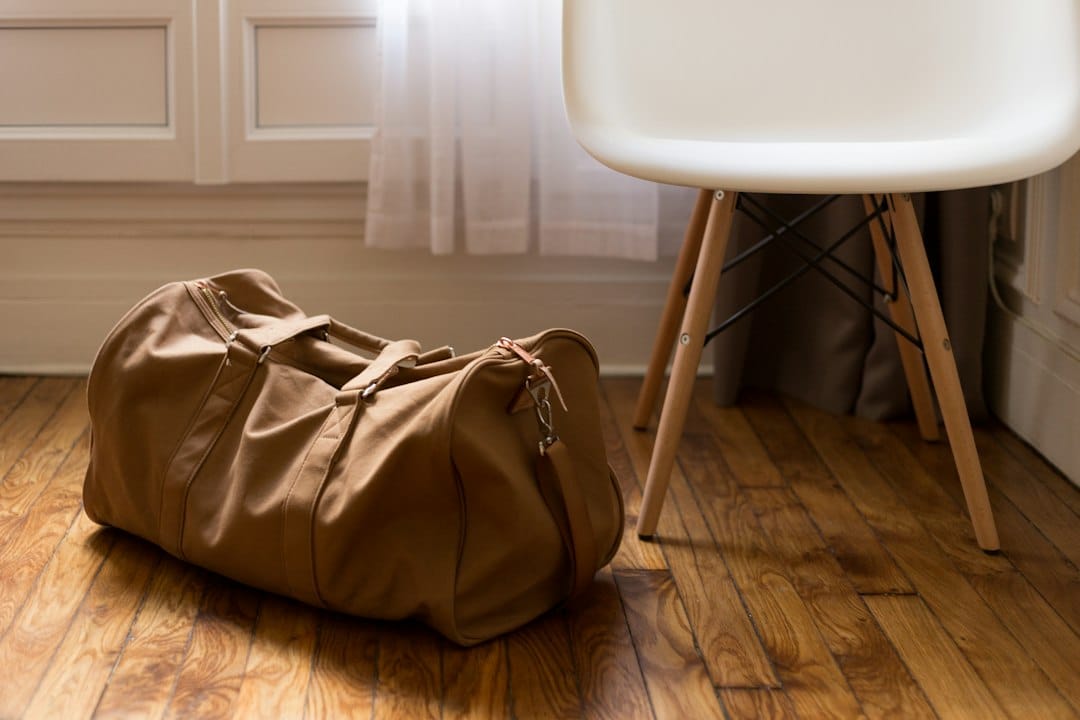
Picture the last evening in a rented flat before a flight. The light is going amber over the rooftops, the kettle is ticking as it cools, and your bag lies open on the bed. The jumper you bought at a mountain market sits beside it, and so does the rain jacket you hoped you wouldn't need. A month ago everything fitted. Now it doesn't. The zip groans, the seams strain, and you start wondering which souvenir you'll leave behind.
This is the moment compression bags were made for. Ask experienced travellers about them and opinions split. Some call them the best packing tool they own. Others say they're a gimmick that wrinkles shirts and tempts you into overweight baggage fees. Both groups are partly right. The useful question isn't whether compression bags work. It's what they do well, where they fall short, and how to fit them into the way you actually move through the world.
For anyone who lives out of a bag for months, chasing shoulder seasons from coastal Portugal to hill towns in northern Thailand, those questions matter. A well-packed bag means less friction on travel days, and on travel days a lot can go wrong.
What Compression Bags Actually Do (and Don't Do)
What Compression Bags Actually Do (and Don't Do)
Volume shrinks while weight remains constant when air is removed from clothing.
BeforeFluffy puffer jacket takes shelf space
AfterFlattens to paperback thickness
BeforeAir trapped in fabric fibres
AfterAir pressed out, loft removed
BeforeStill weighs the same kilos
AfterWeight unchanged, volume reduced
IllustrativeA comparison in words. No figures shown.
At heart, a compression bag is a simple idea. It's a sealed pouch with a one-way valve or a compressing zip, and its only job is to squeeze out the air trapped between the fibres of your clothes. Knitwear, fleece and down are mostly air by volume. That's why they keep you warm, and it's also why they take up so much room in a bag. Push the air out and a cloud-like puffer jacket can flatten to something closer to a paperback book. The fabric hasn't changed. It has just been temporarily robbed of its loft.
What compression bags cannot do is make anything lighter, and this is where many travellers get caught out. Remove the air from a kilo of wool and you still have a kilo of wool. Fill the space you've freed with more things and the bag that once weighed seven kilos can quietly creep toward ten. On a budget airline with strict cabin limits, that extra space becomes a trap. You might close the zip easily and still pay at the gate.
There's a quieter benefit that gets less attention: containment. A sealed bag keeps a leaking sunscreen bottle away from your clean clothes. It keeps sand from a beach weekend out of your work shirts and protects a sweater from a sudden downpour while you wait for a bus. Seen this way, a compression bag is partly a space saver and partly a portable dry room, and that second role can be just as valuable.
Where Compression Bags Shine Brightest
Compression bags earn their place most clearly when your trip spans more than one climate. Imagine starting a winter in a Lisbon apartment, where the stone floors stay cold and a heavy jumper is essential at night. Then imagine a flight to Chiang Mai, where you won't touch that jumper for six weeks. That's the classic case. Bulky cold-weather layers can be pressed flat and tucked at the bottom of a bag, out of the way until the next cold snap or a high-altitude weekend.
They're equally useful for dirty laundry. Somewhere around week three of any long trip, a pile of worn clothes appears. It smells faintly of street food and long train journeys, and it seems to grow faster than the rest of your luggage. A compression bag seals that pile away, stops it expanding, and keeps any odour from soaking into clean clothes. When you finally find a laundrette near your coworking space, you can carry the whole bundle in neatly.
The third sweet spot is for travellers who carry their own comfort items, such as a travel pillow, a lightweight sleeping-bag liner, or a thin throw for chilly hostel dorms. These are soft, airy and awkward to pack. They're exactly what compression handles best. If you're moving between affordable shared homes, perhaps one of the co-living spaces built for digital nomads, that small piece of home can make an unfamiliar room feel like yours.
Enjoying this? Get more like it.
Weekly picks for remote workers and digital nomads — tools, destinations, and honest takes, straight to your inbox.
Subscribe free →Choosing the Right Type for Your Travel Style
Choosing the Right Type for Your Travel Style
Comparison of three compression bag types by tools needed, durability, and best travel use.
| Bag Type | Roll-Up | Vacuum Valve | Packing Cube |
|---|---|---|---|
| Tools needed | None required | Vacuum or pump | None required |
| Durability on road | Reusable anywhere | Less practical after reuse | Resists creasing |
| Best use | Multi-climate trips | Initial packing at home | Carry-on organisation |
| Best for nomads | Roll-ups most practical | Outbound journeys only | Structured luggage |
Illustrative figures — composed for shape, not sourced
Not all compression bags work the same way. The type you choose shapes how you'll use it day to day. Roll-up bags are the most travel-friendly. You fill them, seal the zip, and roll from the closed end toward small one-way vents, pressing the air out with your knees and forearms as you go. They need no tools, which matters when you're packing in a guesthouse with one wobbly socket and no vacuum cleaner in sight.
Vacuum-valve bags compress more dramatically, but they rely on a vacuum or a small hand pump. They're ideal for the outbound leg, when you pack at home with the right tools. They're less practical on the road, where you'll often repack without a vacuum. Many travellers start a long trip with vacuum bags and find they've been retired to a cupboard a few weeks later, swapped for roll-up versions that work anywhere.
Then there are compression packing cubes, a hybrid that has quietly won over many carry-on travellers. These are structured fabric cubes with a second zip around the edge. When you close it, the cube squeezes its contents more gently. They won't match the flatness of a true vacuum seal, but they breathe, resist creasing and slot neatly into a rectangular case. If you've invested in one of the best bags for long-term travel, compression cubes tend to make the most of its shape without stressing the seams.
Common Mistakes That Undo the Benefits
The most common mistake is compressing everything. It's tempting to treat every shirt and pair of trousers as a candidate, but woven fabrics such as linen, cotton button-downs and tailored pieces don't hold much air to begin with. Squash them and you gain very little space while pressing deep creases into the fabric. Arrive at a client video call in a shirt that looks as if it spent the night in a fist, and the trade-off suddenly feels poor. Save compression for the fluffy items and let structured clothes travel folded or rolled.
The second mistake is overfilling the bag itself. A compression bag stuffed to its seams won't seal properly, and the zip track wears out faster under the strain. Valves start to leak, bags slowly reinflate during the journey, and you open your case to find the old bulk has crept back. Fill each bag to about three-quarters, press the air out with patient, even pressure, and the bag will last far longer.
The third mistake involves the luggage. A rigid case packed with dense, brick-like bundles puts real pressure on hinges, zips and corners, especially when it's flung onto an airport conveyor. Soft bags can bulge into awkward shapes that no longer fit overhead bins. Compression works best alongside a sturdy bag that can take the load. If your case is already showing wear, a look at suitcase brands built for long-term durability might be worth the time before your next long journey.
How to Pack With Compression Bags, Step by Step
Start by sorting your clothes into two loose piles on the bed: things that are soft and lofty, and things that are flat and structured. Only the first pile goes near a compression bag. Fold or roll each item neatly, because wrinkles set in when a garment is compressed in a crumpled state. Laying a jumper flat and folding it into a tidy rectangle takes a few seconds. It pays off in a cleaner result and a bag that seals evenly.
Next, group items by purpose rather than by type. One bag might hold everything for cold days: a fleece, thermal leggings and a wool hat. Another might carry spare bedding, and a third stays empty for laundry. This approach means you open only the bag you need. You won't have to inflate your entire wardrobe in a cramped hostel corner just to find a pair of thick socks. Close the seal firmly, then roll or press toward the valve slowly. Rushing tends to trap air pockets that come back later.
Finally, place compressed bundles at the base of your bag or against the back panel, where their density adds stability. Use flexible gaps for shoes, toiletries and anything you'll reach for mid-journey. Then do the most important step of all: weigh the finished bag. A small luggage scale is a modest investment, and it's the single best way to keep the freed-up space from turning into an unexpected fee at check-in.
Are Compression Bags Right for You?
If you travel mostly in warm climates with lightweight cotton and linen, you may barely need compression bags. One for laundry might be all you ever use. A breezy wardrobe for beach towns and tropical cities is already compact, and the creasing trade-off could outweigh any space gained. Many minimalists happily skip them, relying on careful rolling and a disciplined packing list.
If your path crosses seasons, includes mountain towns, or follows winter through European cities before thawing out somewhere in Asia, two or three compression bags can make the difference between a carry-on life and a checked-bag life. That choice ripples outward. It affects how easily you move through stations, how quickly you leave airports, and how lightly you can wander when you arrive somewhere new.
Think of compression bags as a precise tool rather than a universal fix. They're excellent at squeezing out volume, sealing away mess and protecting against damp. They do nothing for weight and little for structured clothing. Know which of those matters most on your next trip and you'll know how many to carry.
Back on that last evening, with the light fading and the bag open on the bed, a compression bag won't decide what you carry home. That choice is still yours. What it can do is turn the bulky jumper, the rain jacket and the market souvenirs from a packing crisis into a neat, flat parcel. They tuck into the bottom of your bag and wait quietly for the next cold morning.
So, are compression bags good for travel? For the right items and the right journeys, yes. Use them with intention, weigh your bag before you go, and let them do the job they do best: making room for the places still ahead of you.
FAQ
do compression bags make luggage lighter
No, compression bags cannot make anything lighter. Removing air from a kilo of wool still leaves a kilo of wool, so while they free up space, that space can be filled with more items, which may cause your bag to become heavier overall.
what clothes should you compress in a packing bag
Compression bags work best on soft, lofty items like knitwear, fleece, down jackets and wool hats that contain a lot of air. Woven fabrics like linen and cotton button-downs hold very little air, so compressing them gains minimal space while pressing deep creases into the fabric.
roll up or vacuum compression bags for travel
Roll-up bags are more travel-friendly because they require no tools and work anywhere, while vacuum-valve bags compress more dramatically but need a vacuum or hand pump, making them impractical on the road. Compression packing cubes are a hybrid option that many carry-on travellers prefer because they resist creasing and fit neatly into rectangular cases.
how full should you fill a compression bag
Fill each compression bag to about three-quarters capacity, not to the seams. An overstuffed bag won't seal properly and puts strain on the zip track, causing valves to leak and bags to slowly reinflate during your journey.
Sources
Illustrative, composed for shape rather than sourced: What Compression Bags Actually Do (and Don't Do); Choosing the Right Type for Your Travel Style. Updated 6 Oct 2026.