Why You Shouldn't Wear Jeans on Flights
Short answer
Jeans are a poor choice for most flights because rigid denim restricts circulation when you sit for hours, traps heat against your skin, presses metal hardware into your waist, and takes ages to dry if something spills. Stretchy, breathable layers keep you more comfortable and arrive looking just as presentable.
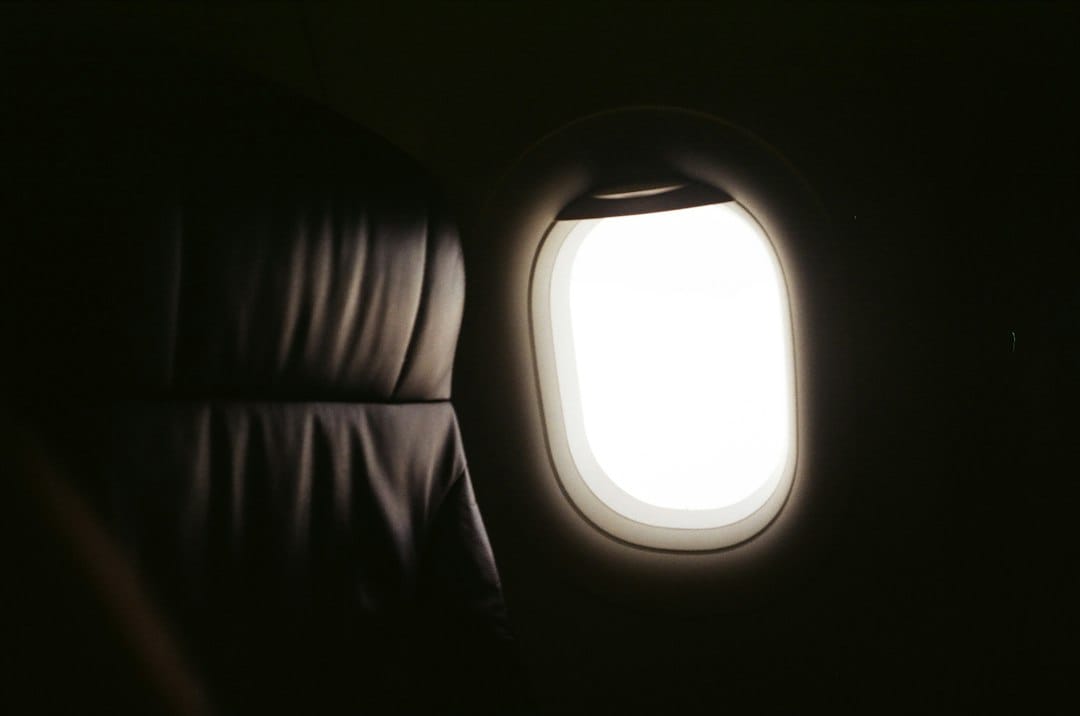
Somewhere around the third hour of a long flight, your jeans stop being clothes and start being a problem. The waistband that felt fine at the check-in desk has become a firm, unforgiving line across your stomach. The seams along your inner thigh press into skin that has nowhere to go. You shift in your seat, tug at the knees, and quietly undo the top button under the blanket, hoping no one notices. Outside the window the clouds glow pink, and all you can think about is the denim.
Jeans feel like the safe choice for travel. They are sturdy and go with everything. They hide the coffee stain from the airport café, and they look perfectly respectable when you step off the plane and into a taxi. For a quick hop between cities they can be fine. But remote workers and slow travellers often fly red-eyes across oceans, sit through connections that stretch into a second day, and take overnight hauls to a new base for the next three months. On those journeys, denim quietly works against you.
This is not about fashion rules or airline dress codes. It is about what happens to your body when it is folded into a narrow seat in a dry, pressurised tube for hours at a time. The clothes you choose can either soften that experience or sharpen it. Here is why jeans so often lose, what to wear instead, and the few situations where your favourite pair can still come along for the ride.
What Hours in a Seat Do to a Pair of Jeans
Classic denim is built to hold its shape. That is the whole appeal of a good pair of jeans: the heavy cotton twill moulds to you slowly over months and keeps a clean, structured line. When you are standing or walking through a city, that structure is flattering. When you sit down, it becomes pressure. Bend at the hip and knee, and rigid fabric bunches into thick folds behind the knees and across the lap. A fitted waistband digs in exactly where your body is most compressed.
On a short flight you barely notice. Over many hours, though, sitting still is already hard on circulation. That is why airlines and health bodies encourage passengers to stretch, walk the aisle and flex their calves. Tight, unyielding clothing adds to that strain rather than easing it. Many people also find their feet and ankles swell on long flights. A narrow or skinny cut that fit comfortably at the gate can feel noticeably tighter by the time the descent begins. If you have any personal risk factors for blood clots, ask a doctor before a long-haul trip what they recommend, including whether compression socks make sense for you.
Then there is the hardware. Jeans come with a metal button, a zip and often a scattering of rivets, all of which sit right where a seatbelt lies across your hips. Lean back to sleep and the button presses into your stomach. Curl sideways against the window and a rivet finds your hip bone. None of it is dramatic. It is just a steady, low-level discomfort that makes it harder to drift off, and on an overnight flight, sleep is the whole game. Our list of the best things to take for overnight flight sleep can help with the rest.
The Cabin Is Harder on Denim Than You Think
Aircraft cabins are strange microclimates. The air is pressurised to the equivalent of a high-altitude town and kept famously dry. Temperatures can swing from stuffy during boarding to properly chilly once the lights go down. Thick cotton denim handles none of this gracefully. It does not breathe especially well, so it traps warmth against your legs when the cabin is warm, yet it offers little real insulation when the air turns cold. In the same pair of trousers, you end up too hot at the gate and too cold over the ocean.
Cotton also holds onto moisture. Spill a cup of tea when the trolley jolts, or get caught in a downpour on the walk from a remote stand to the terminal, and heavy denim will soak it up and stay wet for hours. Damp jeans in a cold cabin are one of the more miserable ways to spend a night flight. Synthetic and wool-blend fabrics, by contrast, tend to shed water and dry far faster, often before you have even landed.
Security lines add one more small friction. A metal button and rivets are rarely a problem on their own, but they can contribute to an extra pat-down at some scanners. Stiff fabric also makes it awkward to bend down and slip your shoes on and off while juggling a laptop tray. Plenty of travellers open a laptop as soon as the seatbelt sign switches off, as our guide to whether you can work remotely on a flight explores. If you are one of them, you will notice how much easier it is to sit cross-legged or tuck a foot beneath you in something that actually moves.
Enjoying this? Get more like it.
Weekly picks for remote workers and digital nomads — tools, destinations, and honest takes, straight to your inbox.
Subscribe free →Fabrics That Travel Better Than Denim
Fabrics That Travel Better Than Denim
How five fabric types compare on key qualities for flight comfort and arrival appearance.
| Fabric | Stretch | Breathability | Drying Speed | Arrival Polish |
|---|---|---|---|---|
| Denim | Limited | Poor | Slow | Polished |
| Technical travel trousers | Excellent | Good | Fast | Chino-like |
| Merino wool | Comfortable | Excellent | Fast | Smart |
| Ponte knit | Generous | Moderate | Moderate | Tailored |
| Joggers | Excellent | Excellent | Slow | Casual |
Illustrative figures — composed for shape, not sourced
The good news is that the alternatives no longer look like pyjamas. Technical travel trousers, usually a nylon or polyester blend with some elastane, have become a quiet favourite of frequent flyers. They stretch in every direction, breathe reasonably well and dry quickly after a spill. They also come out of a backpack looking more or less as they went in. In a good cut, they pass for chinos in a co-working space or a hotel lobby.
Merino wool is the other hero. It regulates temperature remarkably well, keeping you warm when the cabin cools and breathing when it heats up. It stretches comfortably, dries faster than cotton and looks smart in darker shades. It also resists odour, which matters after twenty-odd hours of travel. Merino trousers and leggings are less common than merino tops and tend to cost more, but for very long journeys they are hard to beat. Ponte knit, a thick, stable double-knit fabric, sits somewhere in the middle. It looks tailored enough for a meeting, has generous stretch and drapes like a smart trouser. It breathes moderately well but dries more slowly than technical fabrics.
And then there are joggers, the honest comfort option. Soft, elasticated and endlessly forgiving, they win outright on stretch and breathability. But most cotton joggers dry slowly and look unmistakably casual on arrival. Set against all of these, denim scores well on looking polished and very little else. It has limited stretch unless it is a stretch blend, only modest breathability, and the slowest drying time of the lot. Line the options up, and the case for leaving jeans in the bag becomes fairly clear.
Building a Plane Outfit That Still Looks Put Together
Building a Plane Outfit That Still Looks Put Together
Three levels of warmth to add or remove as the cabin changes its mind.
Illustrative figures — composed for shape, not sourced
The real worry behind wearing jeans is usually arrival. You land in a new city and might head straight to an apartment viewing, a co-living check-in or even a client call. You do not want to look like you have slept in your clothes, even if you have. The trick is to choose pieces that are comfortable in the seat but look deliberate in colour and cut. Dark, solid colours help enormously: black or navy travel trousers look sharp, hide creases and disguise the inevitable crumbs.
Layering does the rest. Start with a breathable base layer, add a mid-weight knit or merino jumper, and finish with a light jacket or overshirt with pockets. That gives you three levels of warmth to add or remove as the cabin changes its mind. A large scarf doubles as a blanket, a pillow and an eye shade. Footwear deserves as much thought as trousers. Slip-on shoes speed up security and are easy to loosen when your feet swell. If you plan to explore a city the moment you land, though, choose something supportive. Our guide to the best walking shoes for travel covers options that work both on the plane and on the pavement.
Comfortable clothing is only one part of arriving in decent shape. What you eat, drink and do in the hours beforehand matters just as much. It is worth reading up on what not to do before a long-haul flight so your outfit is not doing all the heavy lifting. Pack a small pouch with a toothbrush, a fresh pair of socks and some moisturiser, and you can reset yourself in the arrivals bathroom in five minutes. Splash your face, change your socks, and roll your shoulders back. The person who walks out into the arrivals hall will look far more composed than the one who boarded.
When Jeans Are Actually Fine
When Jeans Are Actually Fine
On a short flight or in a stretch pair, go ahead; on a long flight in rigid jeans, leave them in the bag.
Illustrative figures — composed for shape, not sourced
None of this means denim is banned from the sky. On a short flight of an hour or two, the circulation and comfort issues barely have time to develop. The convenience of wearing your bulkiest item rather than packing it can outweigh everything else. If you fly carry-on only and a pair of jeans is the heaviest thing you own, wearing them on a short hop is a sensible way to free up space in your bag.
The cut and fabric matter, too. A relaxed or straight-leg pair with a decent percentage of elastane behaves very differently from rigid, raw selvedge denim or a tight skinny fit. Stretch denim gives at the hip and knee and sits more softly at the waist. It is far less likely to leave you uncomfortable mid-flight, even though it still dries slowly. If you love jeans and travel often, a single, softer travel pair is a reasonable compromise.
Finally, think about what happens the moment you land. You might be stepping off a long-haul flight straight into a dinner, a dress-conscious venue or a day of walking in cool weather. In that case, change into jeans rather than flying in them: wear something soft on board and swap in the arrivals hall. For a long overnight flight with nothing planned but a taxi and a bed, there is little reason for denim at all. The rule of thumb is simple. On a short flight or in a stretch pair, go ahead. On a long flight in rigid jeans, leave them in the bag.
Flying is already a test of patience: queues, delays, armrest negotiations and the long, humming hours in between. The clothes you choose cannot fix any of that, but they can stop your own body from becoming one more thing to put up with. Swapping rigid denim for something that stretches, breathes and dries quickly is one of the smallest, cheapest changes you can make. On a long journey, it pays you back hour after hour.
So the next time you pack for a big move between bases, lay the jeans in the bag rather than pulling them on. Choose soft, dark, forgiving layers for the seat, keep a fresh change within reach, and let the denim wait for the city at the other end. You will step off the plane a little less creased and a little more rested, ready for whatever the new place has in store.
FAQ
why are jeans uncomfortable on long flights
Jeans are built with rigid cotton twill that bunches into thick folds when you sit down, and their fitted waistband digs into your body where compression is greatest. Additionally, the metal button, zip and rivets press into your body when you lean back or curl against the window, creating steady low-level discomfort that makes it harder to sleep on overnight flights.
what fabrics are best for airplane travel
Technical travel trousers made from nylon or polyester blends with elastane are popular because they stretch, breathe well and dry quickly. Merino wool regulates temperature, stretches comfortably and resists odour, making it ideal for very long journeys. Ponte knit offers a tailored look with generous stretch and moderate breathability, though it dries more slowly than technical fabrics.
can you wear jeans on flights
Jeans are fine for short flights of an hour or two, and they make sense if you're flying carry-on only and want to avoid packing your bulkiest item. Stretch denim with a decent percentage of elastane is far less likely to leave you uncomfortable than rigid or skinny-fit jeans, but on long flights in rigid denim, alternatives are preferable.
how do you look put together after a long flight
Choose dark, solid-coloured travel trousers that hide creases and look sharp on arrival, and layer with a breathable base layer, mid-weight knit and light jacket for temperature control. Slip-on shoes and supportive footwear work best, and you can reset yourself in the arrivals bathroom with a fresh change of socks, moisturiser and a face wash to look far more composed when you emerge.
Sources
Illustrative, composed for shape rather than sourced: Building a Plane Outfit That Still Looks Put Together; When Jeans Are Actually Fine; Fabrics That Travel Better Than Denim. Updated 3 Nov 2026.