$500 per Week in Thailand: Budget Breakdown
Short answer
Yes, $500 is enough for a comfortable week in Thailand if you exclude international flights. That works out to about $70 a day, which covers a private room, street food and casual restaurants, local transport, a couple of paid activities and some coworking. Base yourself in Chiang Mai or Bangkok. Island-hopping in high season will stretch it thin.
Thailand has a reputation as the place where your money goes absurdly far. That reputation is mostly earned, but it comes with an asterisk. The Thailand of $1 pad thai and $10 beach bungalows still exists. It sits right next to a Thailand of $15 cocktails, $200-a-night pool villas and taxi drivers who have perfected the art of the flat-rate tourist fare. Which one you end up in depends less on your budget than on the decisions you make before you land.
So, is $500 enough for seven days? For most people, comfortably yes, with some room left over. That assumes you're not counting the international flight, you're not trying to see four regions in a week, and you're willing to eat where Thai people eat at least half the time. This guide breaks down what that $500 actually buys, where it stretches furthest, where it disappears and how to fit a working week into the budget if you're a remote professional rather than a pure holidaymaker.
One quick note on numbers: the baht has hovered roughly between 32 and 36 to the US dollar in recent years. All figures below are approximate and rounded to keep the maths simple. Check the current rate before you go, because a few baht of movement changes your daily totals more than you'd expect.
What $70 a Day Really Looks Like in Thailand
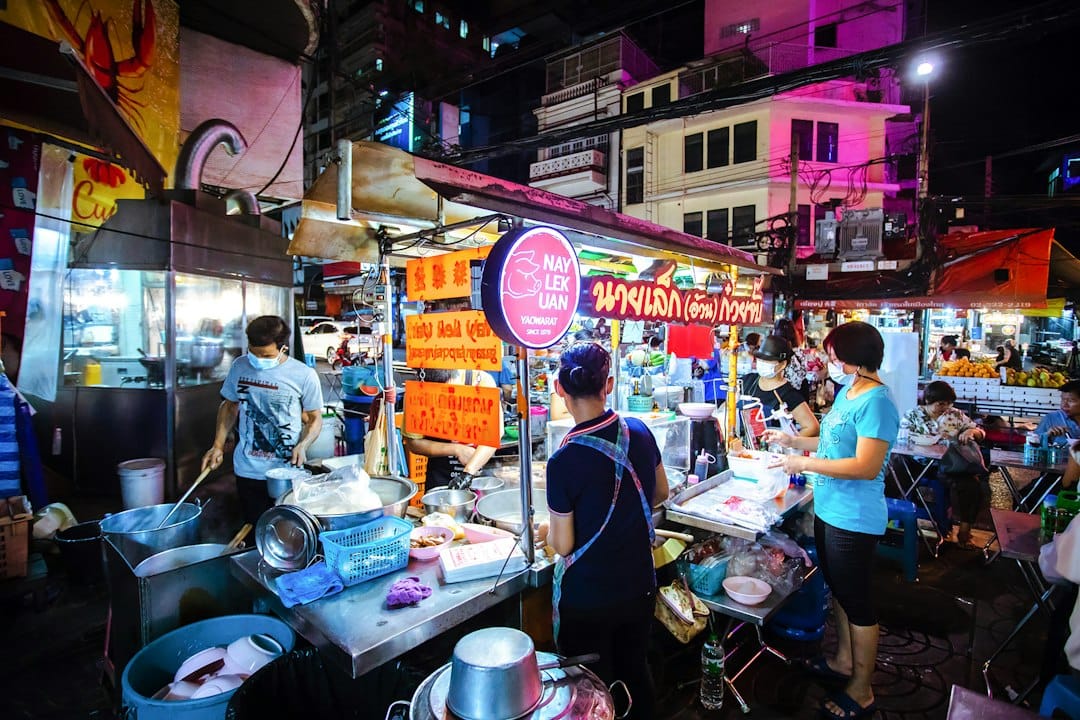
Divide $500 by seven and you get just over $71 a day. In Thailand that's a genuinely mid-range budget, not a shoestring one. Backpackers routinely get by on $30 to $40 a day in dorms, eating almost exclusively from street stalls. At $70 you're past survival mode. You can afford a clean private room with air conditioning and decent Wi-Fi, three proper meals, an iced coffee habit and a Grab ride when it's too hot to walk.
Here's the rough shape of a typical day. A guesthouse or small hotel room runs $20 to $35 a night outside the peak islands. Street food and local restaurants cost about 50 to 120 baht a plate, so somewhere between $1.50 and $3.50. A sit-down dinner with a drink might be $8 to $12. Local transport, meaning Grab cars, songthaews, the BTS Skytrain in Bangkok or a rented scooter, usually costs $5 to $10 a day. That leaves $15 to $25 a day for activities, massages, temple entry fees and the occasional splurge.
Where $70 stops feeling generous is anywhere with a beach and an Instagram reputation. On Koh Phi Phi, Koh Samui or Phuket's busier stretches in December or January, a basic room can easily cost $50 to $80. Restaurant prices there are closer to what you'd pay in a mid-sized European city. Ferries and speedboat transfers also add $15 to $40 a leg. None of this makes the islands impossible on $500. It just means they eat your margin fast, and you'll feel every one of those ferry tickets.
Where You Base Yourself Matters More Than How You Spend
Where You Base Yourself Matters More Than How You Spend
Nightly room cost, meal cost, local transport and overall suitability compared across Thailand's four main bases for a $500 weekly budget.
| Factor | Chiang Mai | Bangkok | Southern Islands |
|---|---|---|---|
| Nightly Room | $20–$30 | $25–$40 | $50–$80 |
| Meal Cost | $1–$3 local | $1–$3 local | $5–$12 avg |
| Local Transport | $5–$10/day | $5–$10/day BTS/Grab | $15–$40/ferry leg |
| Best for $500 Week | Remote workers; best value | Flexibility; street food | Beach seekers; stay put |
Illustrative figures — composed for shape, not sourced
If you want $500 to feel easy, go to Chiang Mai. It's the best value in the country for anyone who needs both comfort and a working setup. Good private rooms in the Old City or Nimman cost $20 to $30. Khao soi is cheap and excellent almost everywhere. The coworking scene is the most developed in Thailand outside Bangkok. If you're deciding where to stay, our guide to the coolest neighbourhoods in Chiang Mai will save you a lot of map-scrolling. The trade-off is burning season, roughly February to April, when air quality can get bad enough to wreck a week. Check the forecast before you book.
Bangkok is the most flexible option. Accommodation is slightly pricier than in Chiang Mai, and you have to choose your neighbourhood carefully. Ari, Phrom Phong and On Nut offer far better value than Sukhumvit Soi 11 or the riverside luxury strip. But Bangkok also has the best street food in the country and cheap, efficient public transport. Free or nearly free entertainment is everywhere, from Lumphini Park at dusk to wandering Chinatown at night. Staying near a BTS or MRT station is the single best money-saving move you can make here, because it keeps you out of traffic-snarled taxis.
The islands and beach towns are where you have to be deliberate. If the beach is non-negotiable, pick one. Koh Lanta, Koh Phangan outside party weeks, and Krabi's Ao Nang all work well on a budget. Then stay put instead of hopping. Every island change costs you half a day and $20 to $40 in transfers. If you're weighing Thailand against its neighbours, our breakdown of the cheapest countries to visit in Southeast Asia is a useful gut check. Vietnam and Laos will usually stretch $500 further, but Thailand wins on infrastructure and ease.
Enjoying this? Get more like it.
Weekly picks for remote workers and digital nomads — tools, destinations, and honest takes, straight to your inbox.
Subscribe free →A Realistic $500 Week, Line by Line
Here's a sample budget for a week split between Bangkok and Chiang Mai. It's a popular combination for good reason. Accommodation runs about $175, or $25 a night for a private room with air conditioning, a proper desk or at least a table, and reliable Wi-Fi. Food is about $105, or $15 a day. That mixes street stalls and simple local restaurants with one or two nicer dinners. Local transport adds about $45 across the week for Grab, the Skytrain, songthaews and maybe a day of scooter rental.
The Bangkok to Chiang Mai leg is the big variable. A budget flight booked a few weeks out often costs $30 to $60. The overnight train is a classic experience and saves a night of accommodation, at roughly $25 to $45 for a sleeper berth depending on class. Budget about $50 for this. Activities and extras get about $80. That covers temple fees, a Thai massage or two, a cooking class in Chiang Mai, and entry to Doi Suthep or a night market splurge. Connectivity and coworking come to roughly $30 for a tourist SIM and a few coworking day passes.
That totals about $485, leaving a small buffer for ATM fees, a forgotten charger or the rooftop bar you swore you weren't going to visit. Notice what this budget doesn't include: the international flight, travel insurance and any visa costs. Many nationalities currently enter Thailand visa-exempt for short stays, but the rules have shifted several times recently. Confirm the latest requirements and any digital arrival forms with official sources before you fly. If you're coming from elsewhere in Asia, our ranking of the best budget airlines in Asia will help keep the getting-there cost from dwarfing the being-there cost.
The Mistakes That Quietly Blow a $500 Budget
The most annoying budget leak in Thailand is the ATM fee. Most Thai ATMs charge foreign cards a flat fee of around 220 baht, roughly $6 to $7, per withdrawal. That's on top of whatever your own bank charges. Withdraw small amounts every couple of days and you can lose $30 or more in a week to fees alone. Take out larger sums less often. Better still, use a travel-friendly card that refunds or avoids foreign fees. Always decline the dynamic currency conversion the machine offers, because it's a terrible rate dressed up as a convenience.
The second big mistake is transport by impulse. Flagging down a tuk-tuk outside a tourist site and agreeing to a price without checking will cost you two to four times the going rate. That's before the classic detour to a gem shop or tailor. Use Grab or Bolt for anything you can't walk or reach by train. Insist on the meter in regular Bangkok taxis. Save the tuk-tuk for one short ride for the experience, with the price agreed upfront. Avoid scooter rental unless you have proper licensing and experience. A minor accident can cost more than your entire week.
Finally, there's the tourist-strip tax. Restaurants on Khao San Road, Patong Beach or Nimman's busiest corners will happily charge you western prices for mediocre Thai food. Walk two streets back and you'll often eat better for a third of the price. The same logic applies to booking late in high season. Last-minute rooms on the islands from December to February sell at a premium. Lock in your first few nights before you arrive. Don't overbook either: once you're on the ground, walk-in and short-notice deals in the cities are often better than what you'll find online.
Working Remotely on $500: Coworking, Cafés and Connectivity
If you're planning to work during the week, the good news is that Thailand makes it cheap. A tourist SIM from AIS, True or dtac at the airport gives you a generous data allowance and solid 4G or 5G coverage in the cities. It costs a few hundred baht, typically under $15 for a week to ten days. Skip the airport currency exchange counter next to it, but buy the SIM. The convenience is worth the small premium over a 7-Eleven top-up, and you'll be hotspotting from cafés within an hour of landing.
Coworking day passes in Chiang Mai usually run 150 to 300 baht, so about $5 to $9. Bangkok spaces tend to sit at the higher end of that range and above. For a single week, a weekly pass is rarely worth it unless you're working full days. Two or three day passes for focused work, plus café sessions the rest of the time, keeps costs down. Thai café culture is excellent for laptop work. Many specialty coffee spots in Nimman, Ari or Thonglor have fast Wi-Fi and plugs, and nobody minds if you nurse a 70-baht iced latte for two hours.
The honest caveat is that working changes the maths on your accommodation more than anything else. A $15 room with a bed and a fan is fine for sleeping. It's miserable for an eight-hour workday in 34-degree heat. If you're working, put the extra $5 to $10 a night toward a room with air conditioning, a real desk and Wi-Fi you've verified in recent reviews. Pay for that and claw the money back by eating more street food. It's the best trade you'll make all week.
Where to Splurge and Where to Save
A $500 budget doesn't mean denying yourself everything. It means being selective. Worth the splurge: a cooking class in Chiang Mai, which usually includes a market tour and more food than you can finish. A proper traditional Thai massage at a reputable spot rather than the cheapest place on the strip. One night at a hotel with a rooftop pool if you've been in guesthouses all week. These are the experiences people remember. They also tend to cost $20 to $40 each, which fits neatly into the activities budget.
Not worth it: elephant 'sanctuaries' that offer riding or bathing, which are often anything but ethical. Skip the overpriced island-hopping tours sold by hotel desks, where the same trip is cheaper from a pier-side operator. Skip imported alcohol and western breakfasts. A bottle of wine or a plate of eggs Benedict can cost what you'd spend on food for an entire day. Local beer like Chang or Leo is cheap. Thai breakfasts like jok (rice porridge) or khao man gai are some of the best meals in the country.
Free and nearly free experiences are everywhere, too. Temple-hopping in Chiang Mai's Old City costs almost nothing. Bangkok's Chatuchak Weekend Market is free to wander. Lumphini Park's outdoor aerobics sessions at sunset are a delight. Sunday Walking Street in Chiang Mai is one of the best evenings in Thailand, and you can eat your way down it for $5. Build a few of these into every day and the $500 budget stops feeling like a constraint at all.
So, is $500 enough for a week in Thailand? Yes, and for most people it's more than enough. The key is to exclude the international flight, stick to one or two bases and eat like a local most of the time. Chiang Mai and Bangkok make the budget feel roomy. The islands in peak season make it tight. Your biggest risks aren't the big-ticket items but the small leaks: ATM fees, impulse tuk-tuks and tourist-strip dinners.
Treat this week as a test run if you're considering something longer. Thailand rewards slow travel. A month in Chiang Mai often costs less per day than a week does, thanks to monthly room rates and settled routines. Spend your $500 wisely, keep a buffer for the unexpected, and you'll leave wondering why you didn't budget for longer.
FAQ
how much does accommodation cost per night in Thailand
Outside peak season on the islands, a clean private room with air conditioning and good Wi-Fi typically costs $20 to $35 per night. In Chiang Mai specifically, good private rooms in the Old City or Nimman area run $20 to $30, while Bangkok accommodation is slightly pricier and requires careful neighborhood selection.
what are the biggest budget mistakes in Thailand
The most costly mistakes are ATM fees, which can total $30 or more per week since most Thai ATMs charge around $6 to $7 per withdrawal, transport by impulse through tuk-tuks at inflated prices, and eating at tourist-strip restaurants that charge western prices for mediocre food. Using Grab or Bolt instead of tuk-tuks and walking two streets back from busy areas to find better value can solve most of these problems.
how much does food cost in Thailand per day
Street food and local restaurants typically cost 50 to 120 baht per plate, which is roughly $1.50 to $3.50, while a sit-down dinner with a drink might be $8 to $12. A realistic daily food budget of around $15 can include a mix of street stalls, simple local restaurants, and one or two nicer dinners.
what is the best base for a $500 week in Thailand
Chiang Mai offers the best value for anyone needing comfort and a working setup, with affordable accommodation and excellent street food, while Bangkok is the most flexible option with the best public transport and street food in the country. Both are better value than the islands and beach towns like Koh Phi Phi or Phuket, where rooms can cost $50 to $80 per night during peak season.
Sources
Illustrative, composed for shape rather than sourced: Where You Base Yourself Matters More Than How You Spend. Updated 7 Oct 2026.